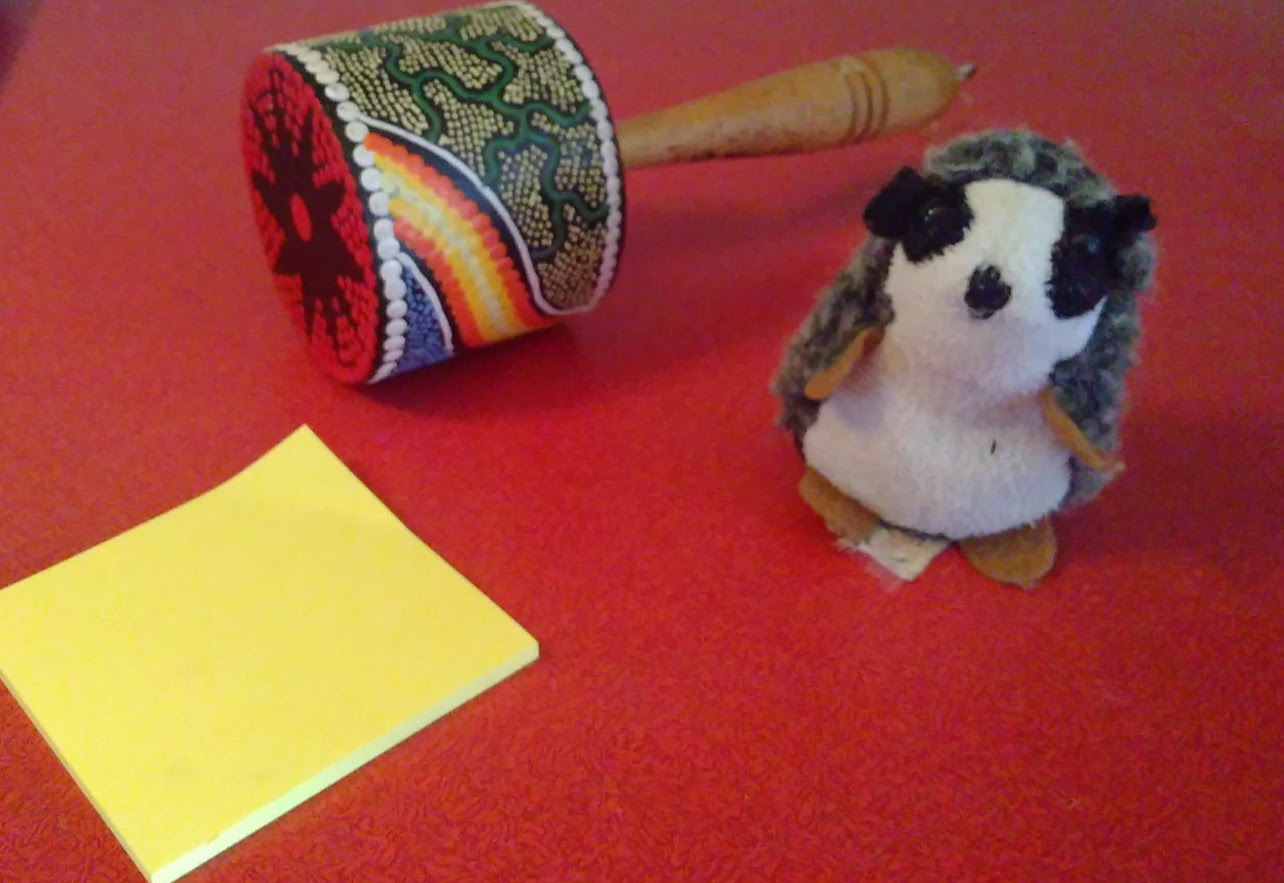
Children really enjoy the playful aspect of Philosophy for Children. Here are a couple of fun warm-up games that you can use in your P4C practice (Step 1 of the Ten Steps).

Pass the Tambourine
This is a great game for young children to practise turn-taking. It also develops co-operation and focus.
I usually start by shaking my very loud tambourine and saying, I wonder if it would be possible to pass this around our circle without it making any noise at all?
It’s fascinating watching the children work out different ways to do it. And by the time they’ve concentrated on this they’ll be in just the right mindset to do some philosophical thinking.
If, then
A Year 4 class who I was working with found this challenging at first – especially the grammar – but after half a term became surprisingly good at it.
Start by modelling a sentence such as If I had got up earlier today, then I would have eaten more breakfast. The next person begins with If I had eaten more breakfast, then … etc. Continue around the circle.
As well as often generating funny stories this is a great way to practise the language of reasoning and will impact on the children’s ability to reason confidently during the enquiry.

“They didn’t want to stop!” Play this engaging game with your students to develop listening and collaborative thinking
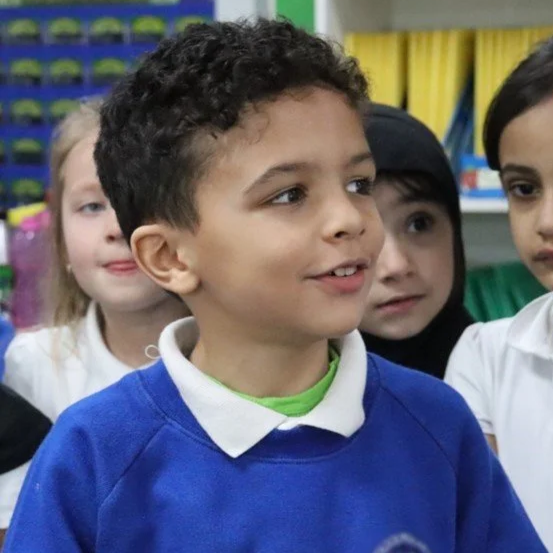



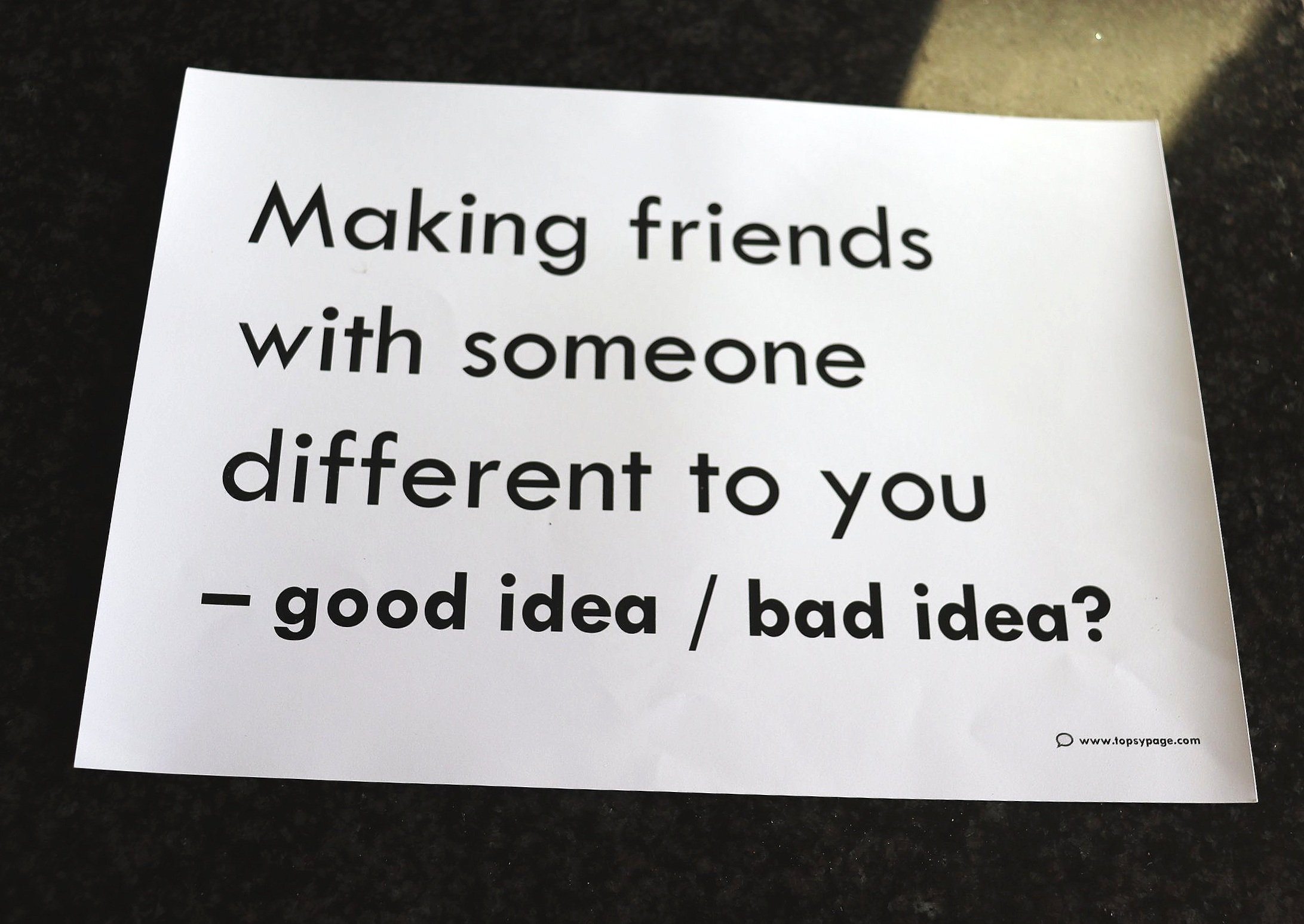




Community-building activities which are good for wellbeing as well as vocabulary development


A professional development opportunity for P4C leads and teachers on Thursday 24th September
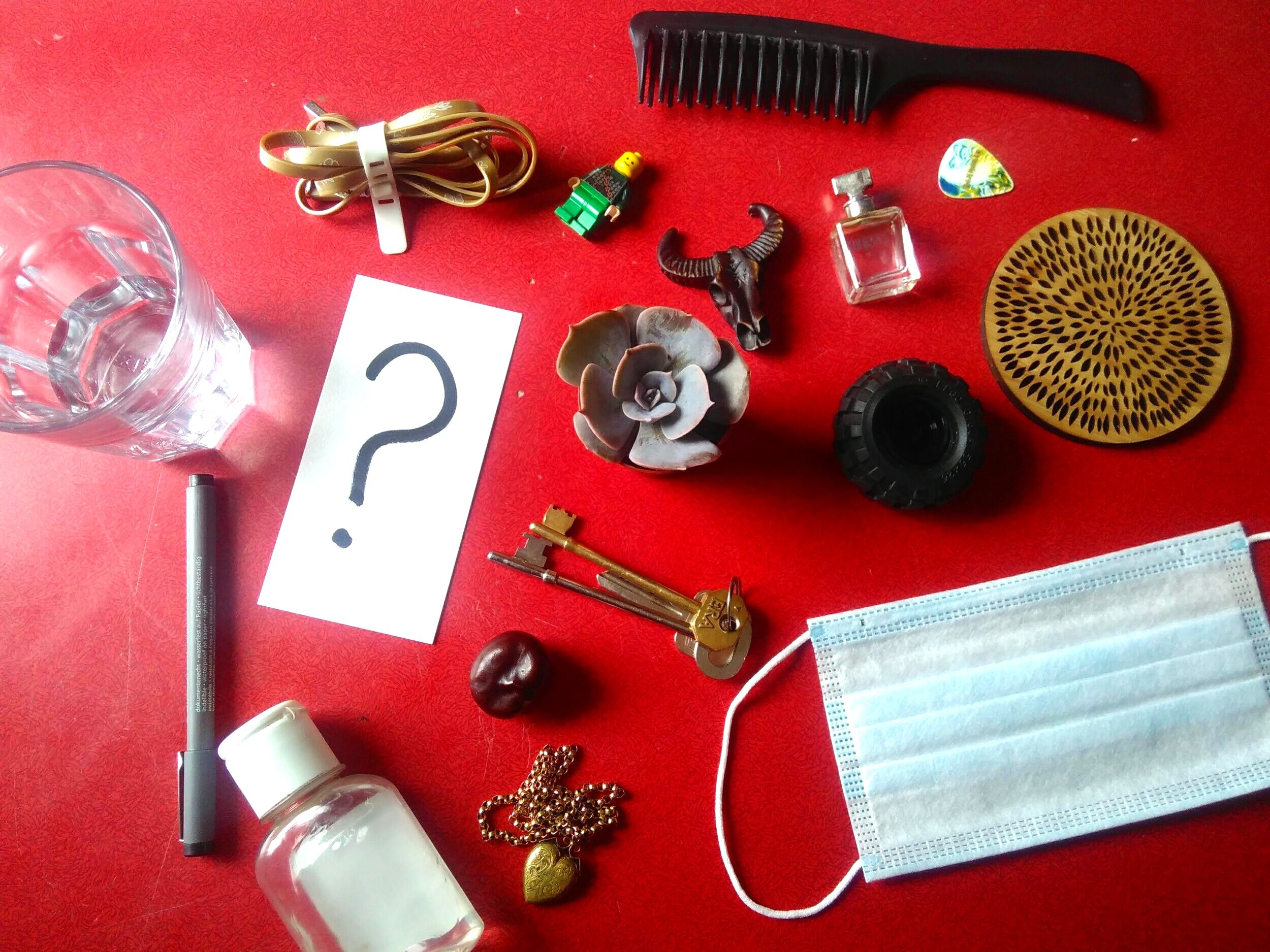


A lovely example of a game which generates creative thinking and can give children ownership of their talk.

Tips for playing this popular P4C warm-up game which develops creative thinking plus turn-taking, listening, responding, and recognising shapes.