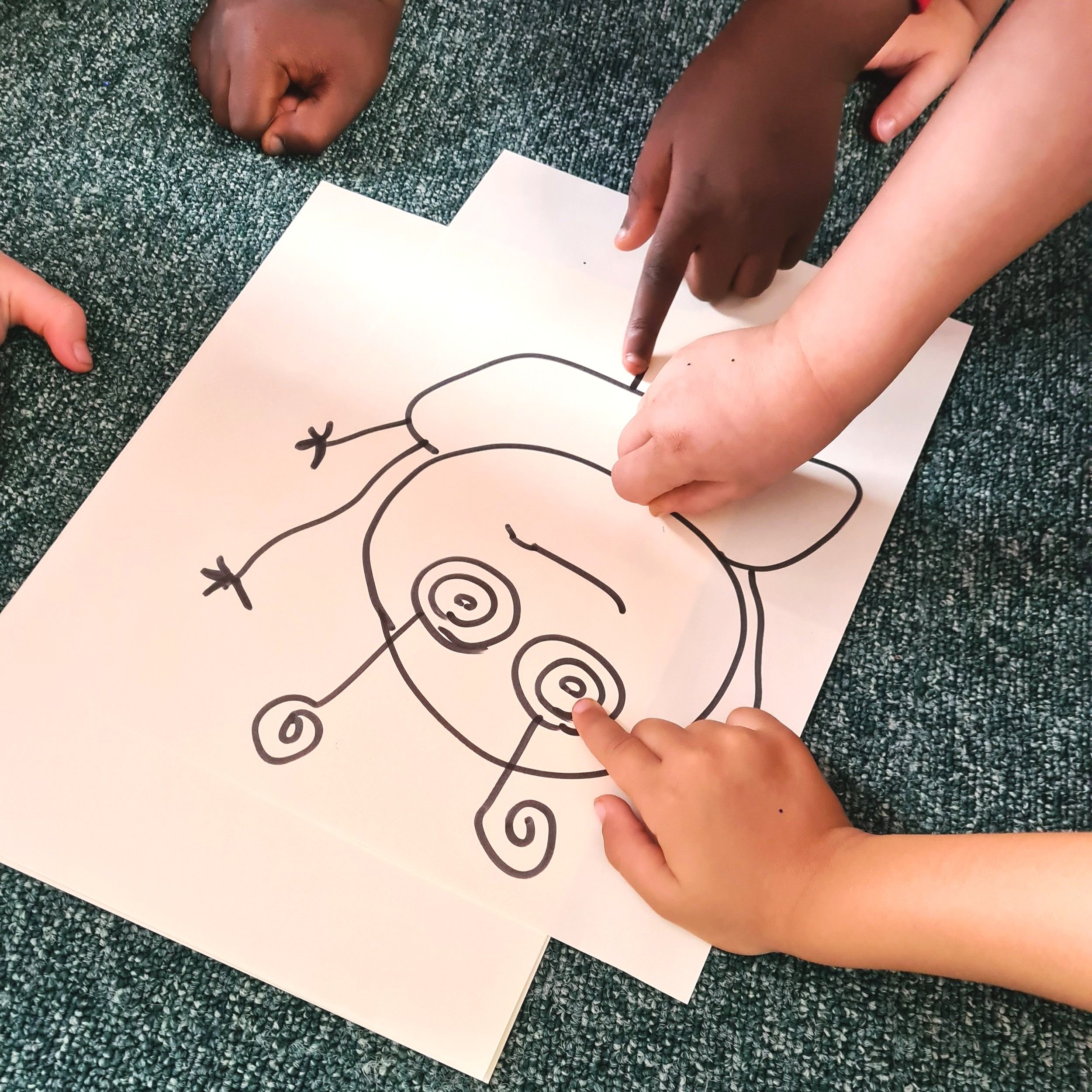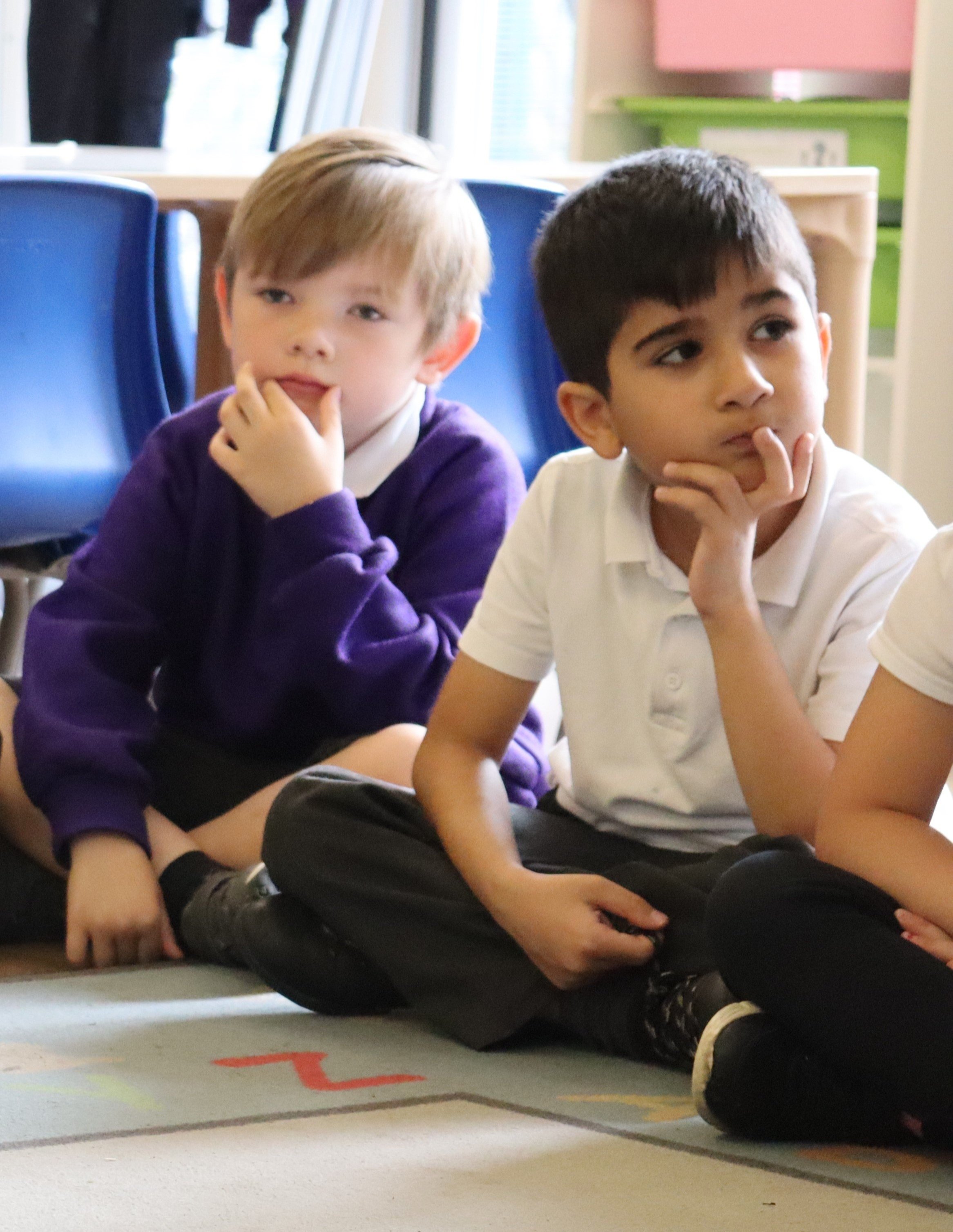
I’m becoming more and more convinced that repeated reading of a story by a skilled practitioner is a game-changer. Couple this with organising children into small groups to think and talk together about the story, and guess what happens – their language, reasoning and confidence to talk develops massively.
This is part of what I’m seeing in my work with the TWiTCH (Talk With Tales for Children) research project based at Sheffield Hallam University.
The TWiTCH approach immerses children in a traditional tale such as Goldilocks and the Three Bears for a three-week period.
It develops their love of stories, as well as providing them with new language and reasoning skills. They enthusiastically retell the story, often repeating key words and phrases. They also enjoy talking and thinking about the story, for example discussing whether Goldilocks made good choices.
“Children with speech and language issues are starting to be engaged, starting to speak! So much more vocabulary is being used in provision. ”
To learn more about the TWiTCH project visit https://educationendowmentfoundation.org.uk/projects-and-evaluation/projects/twitch-talk-with-tales-for-children-2023-24-pilot
See also my previous post on traditional tales.

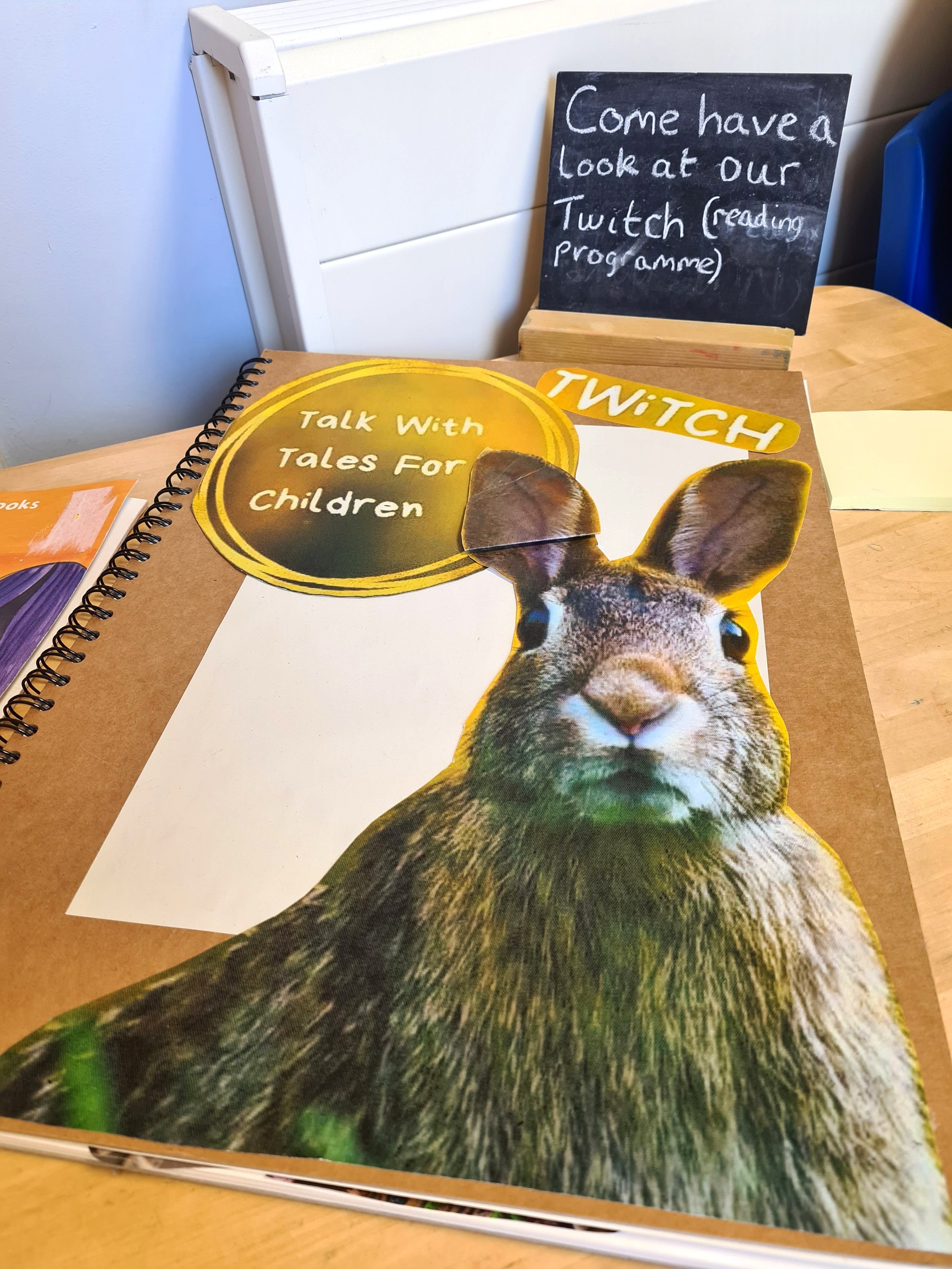
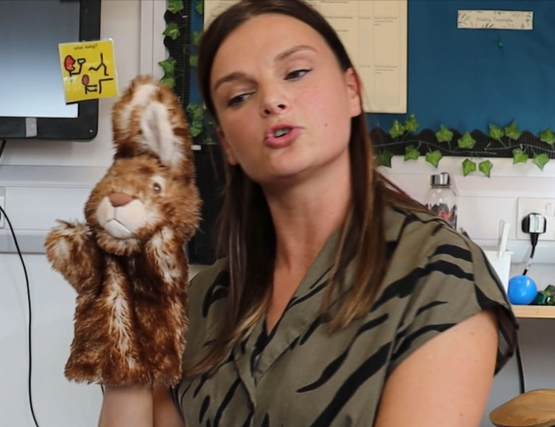
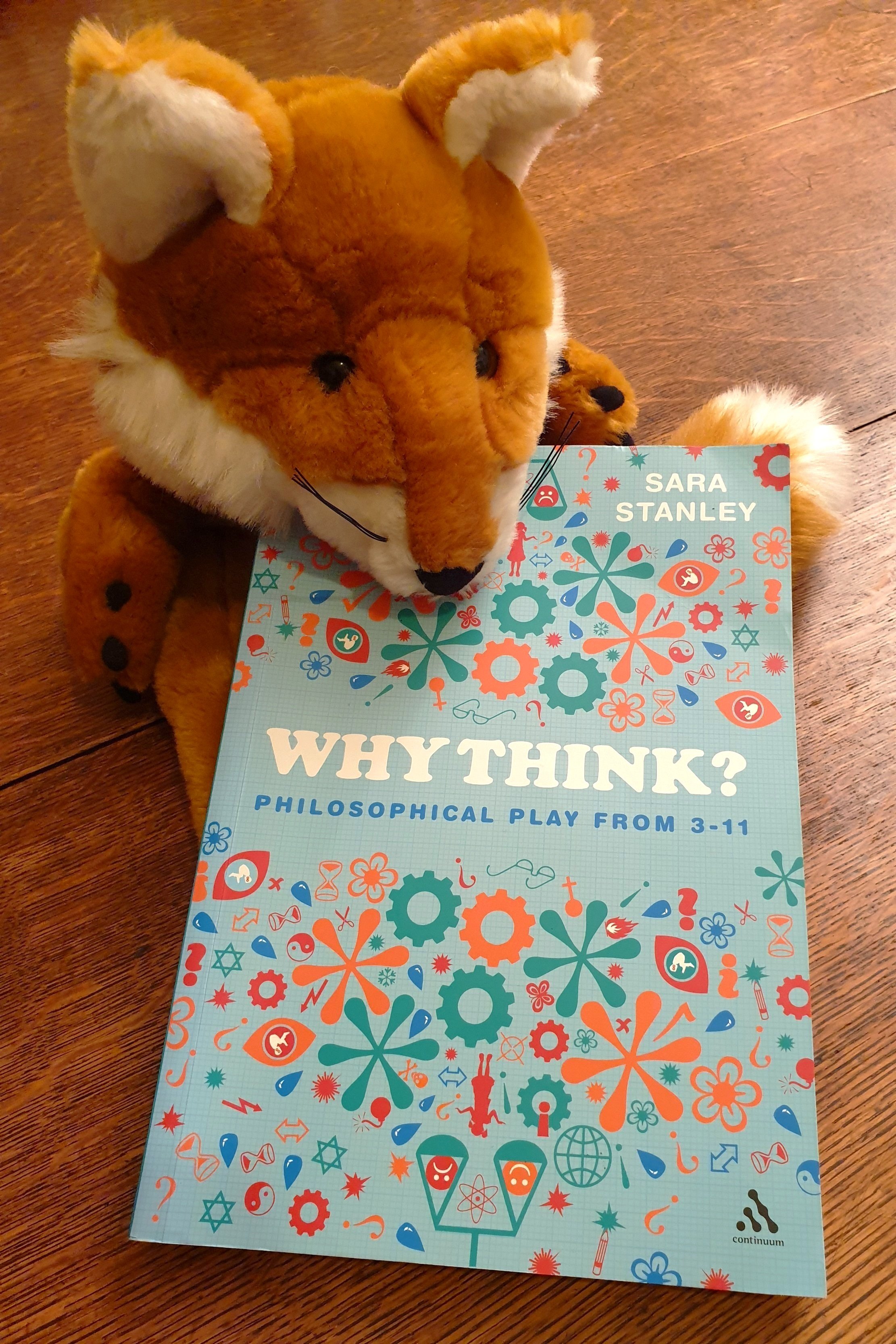
The TWiTCH rabbit helps to model language such as Yes, because…