A few months ago I observed some really impressive oracy in a reception class.
It was during a well-planned lesson on minibeasts. The children had read Aaaarrgghh, Spider! by Lydia Monks several times, and were doing some talk activities based on it.
Look at these pictures of minibeasts. Which is the odd one out? Why?
Choral rehearsal vocabulary practice, with actions – glistening, petrified, …
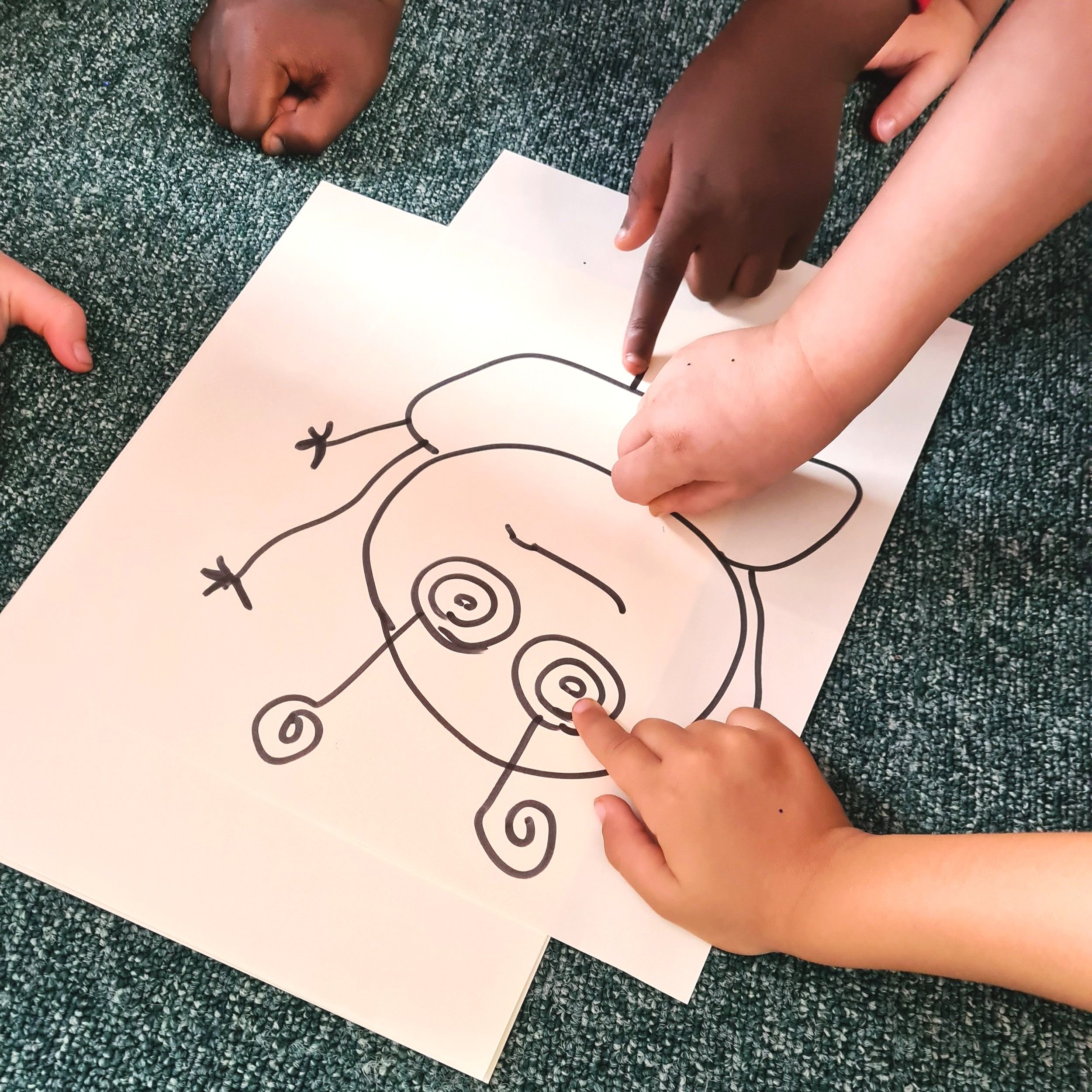
Ordering pictures from the story, in pairs
Discussion question – Would a spider make a good pet?
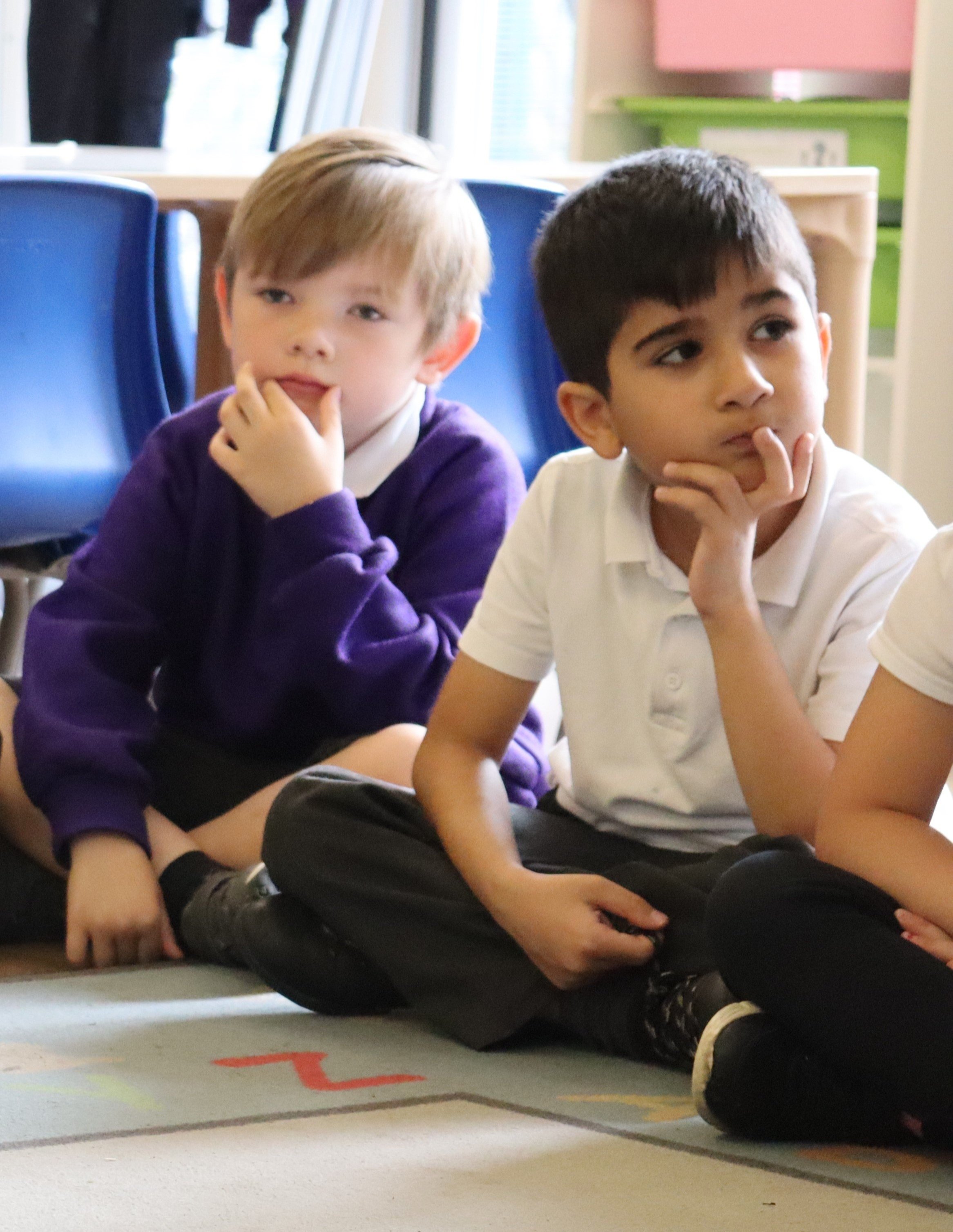
Planning for talk in this way resulted in impressive talking, thinking and reasoning by the children.
Their success was underpinned by things like having time to think, time to talk in pairs, access to talk prompts, as well as non-verbal signals from the teacher. The teacher had clearly invested time in establishing these routines and habits.