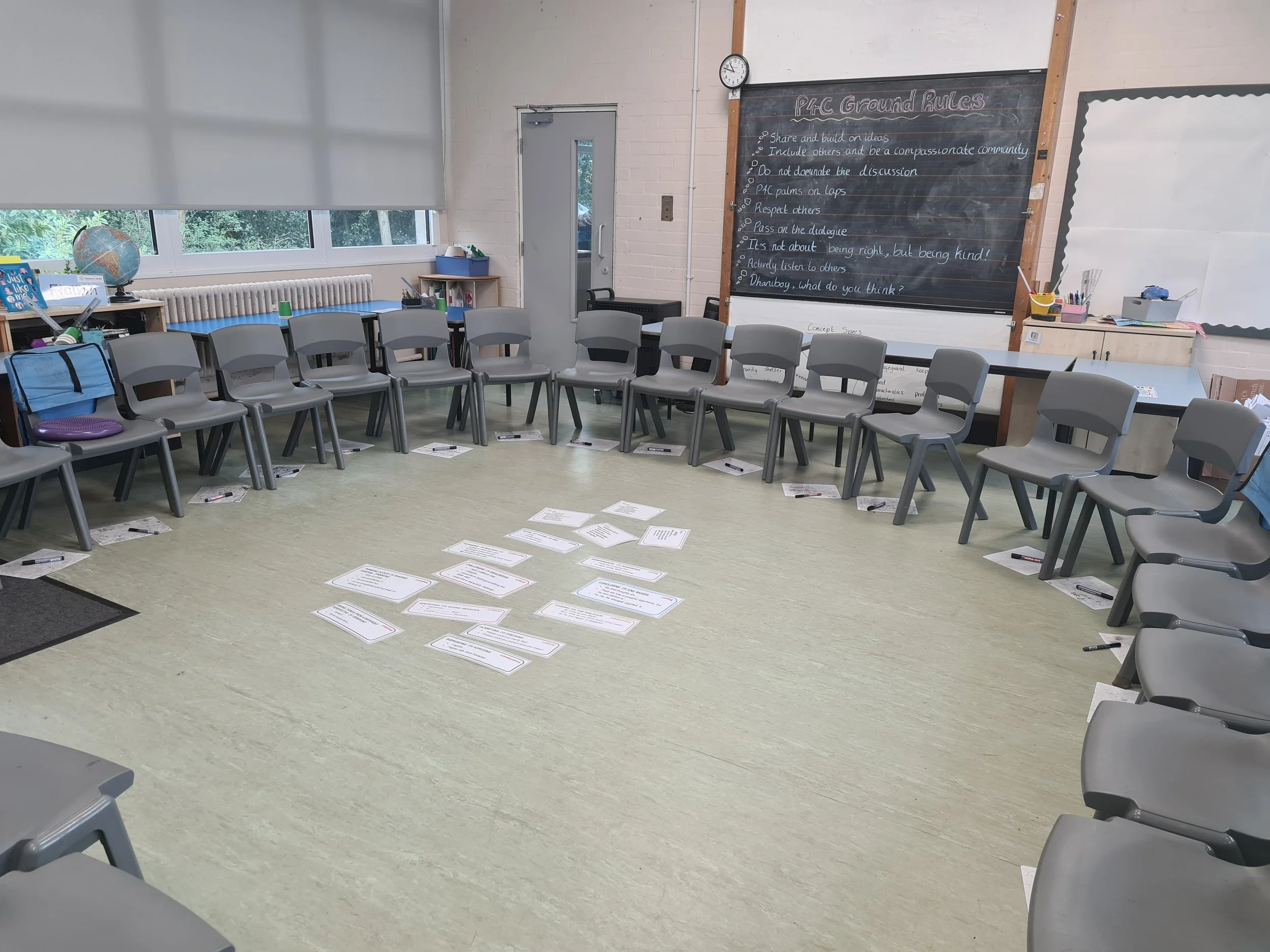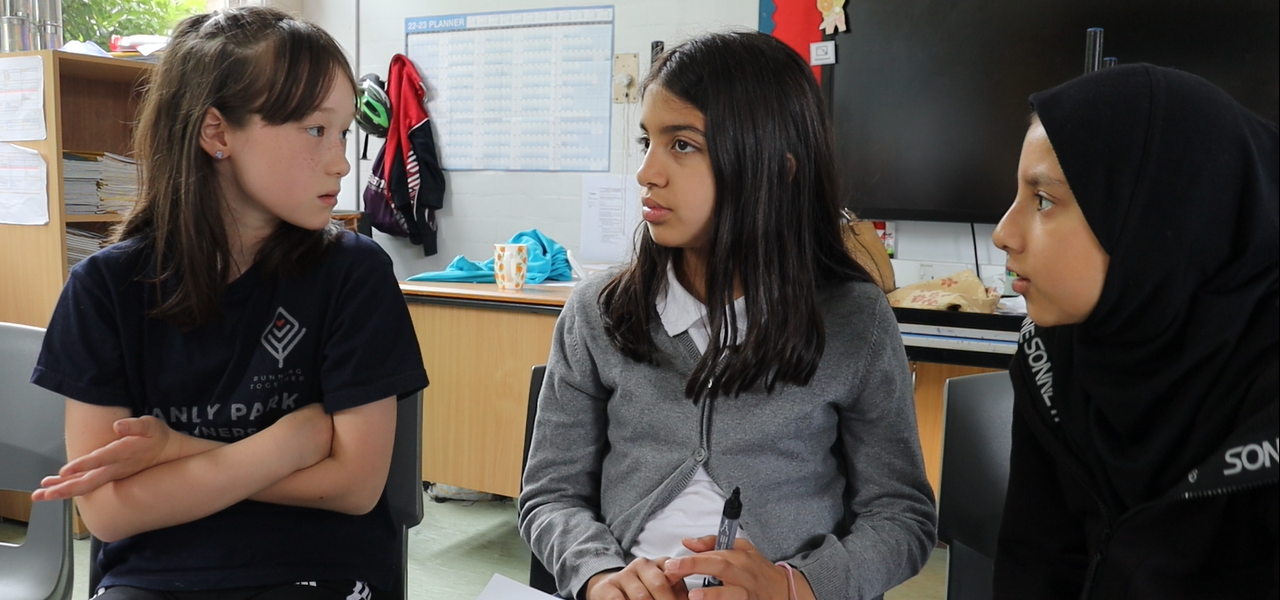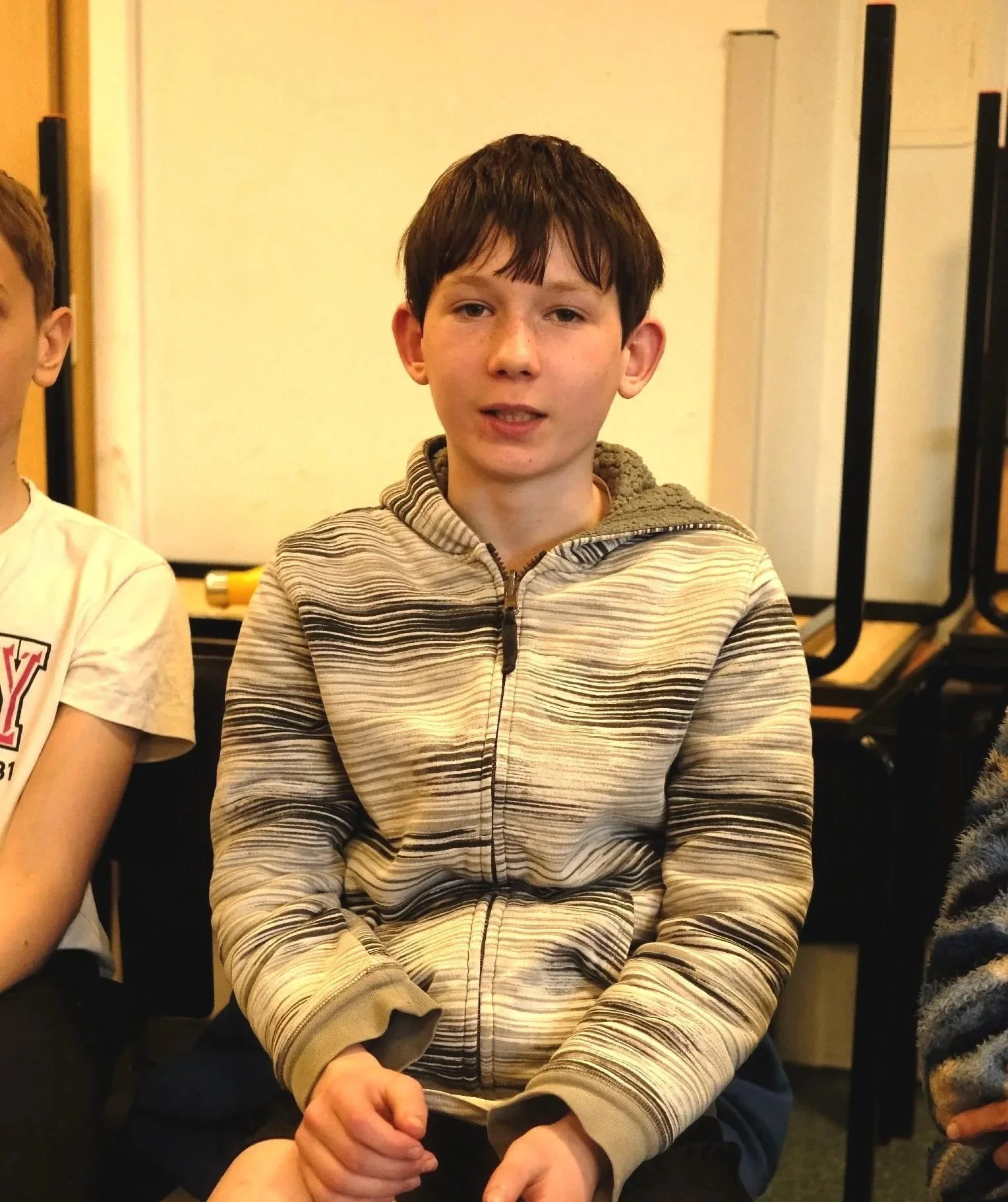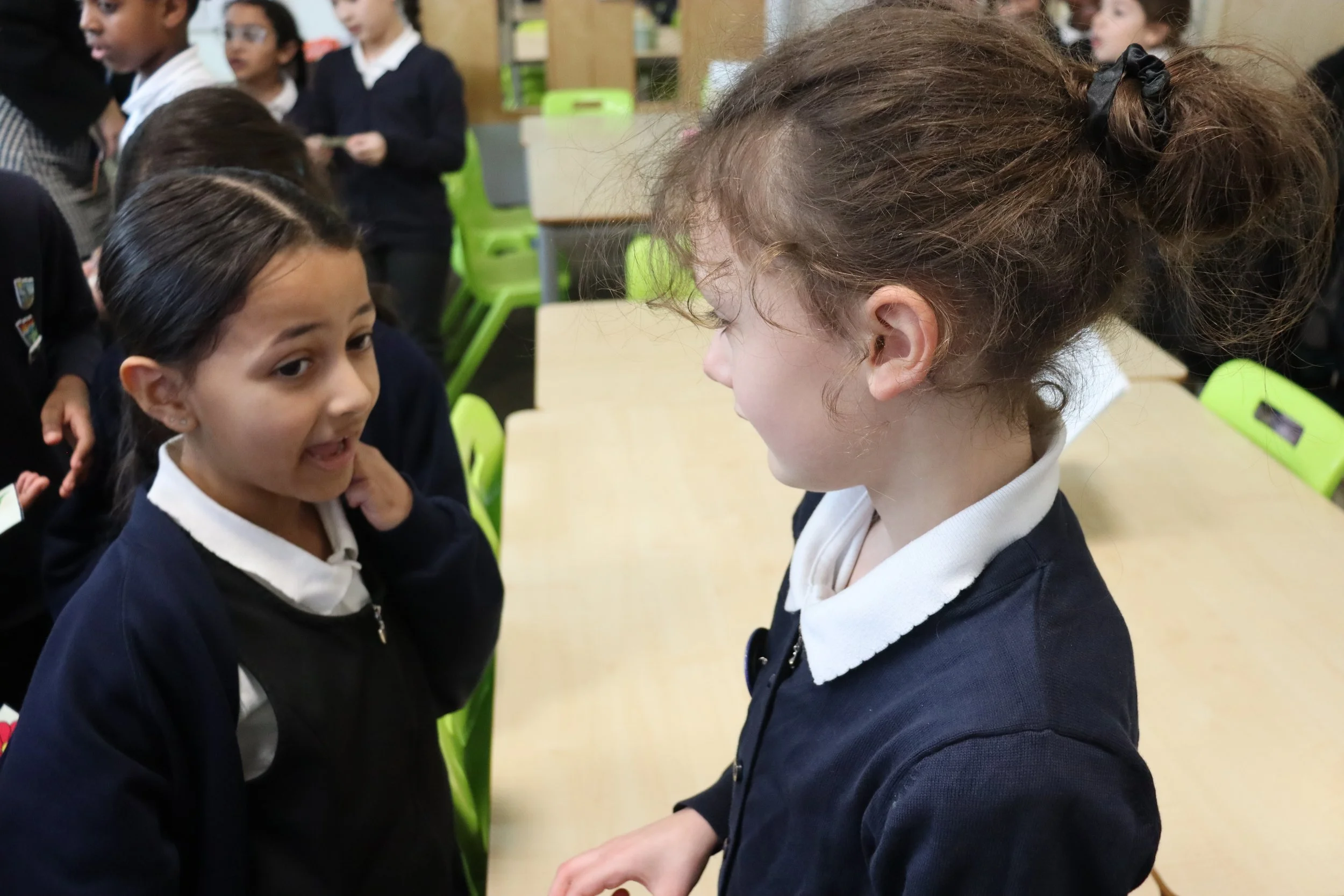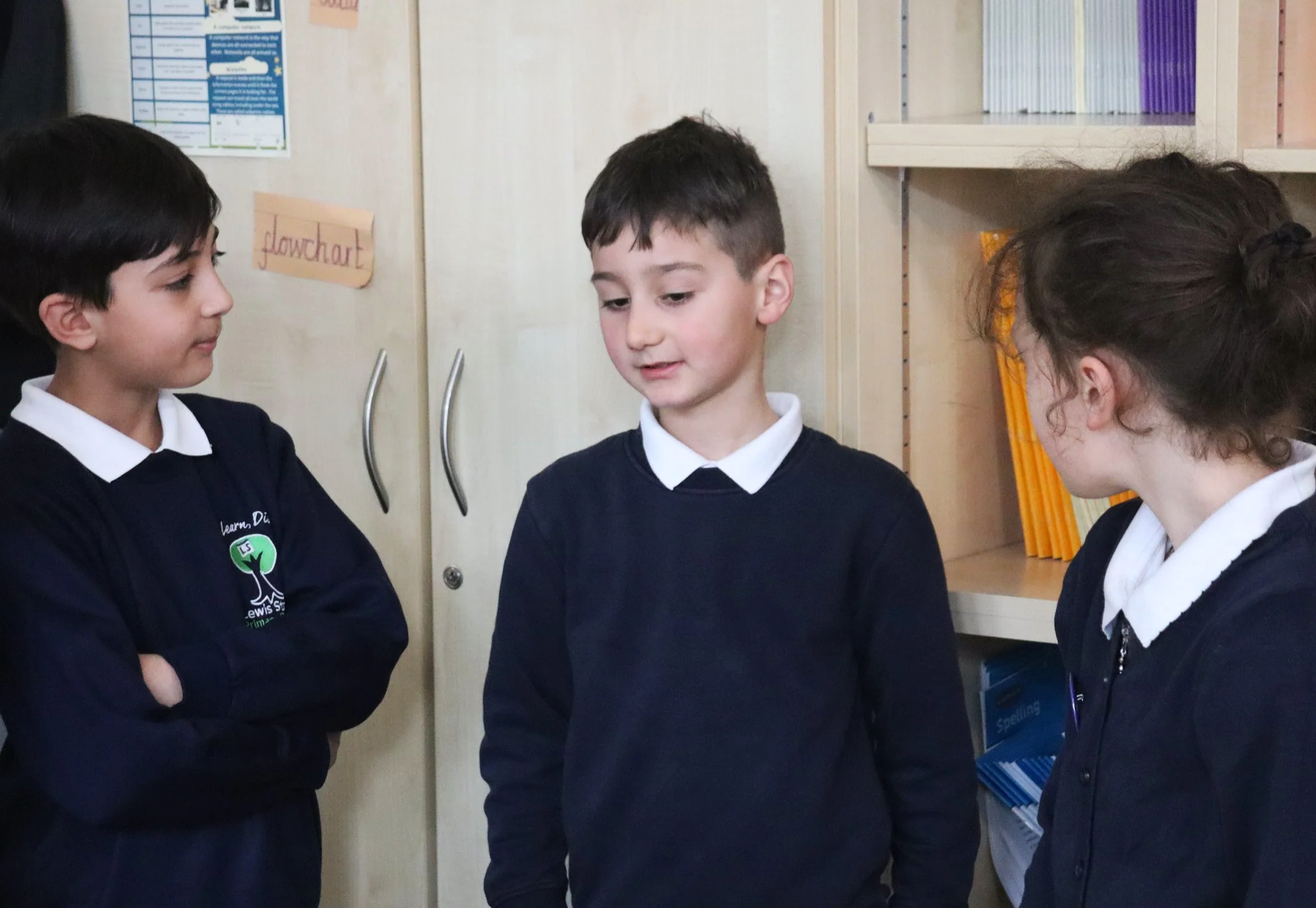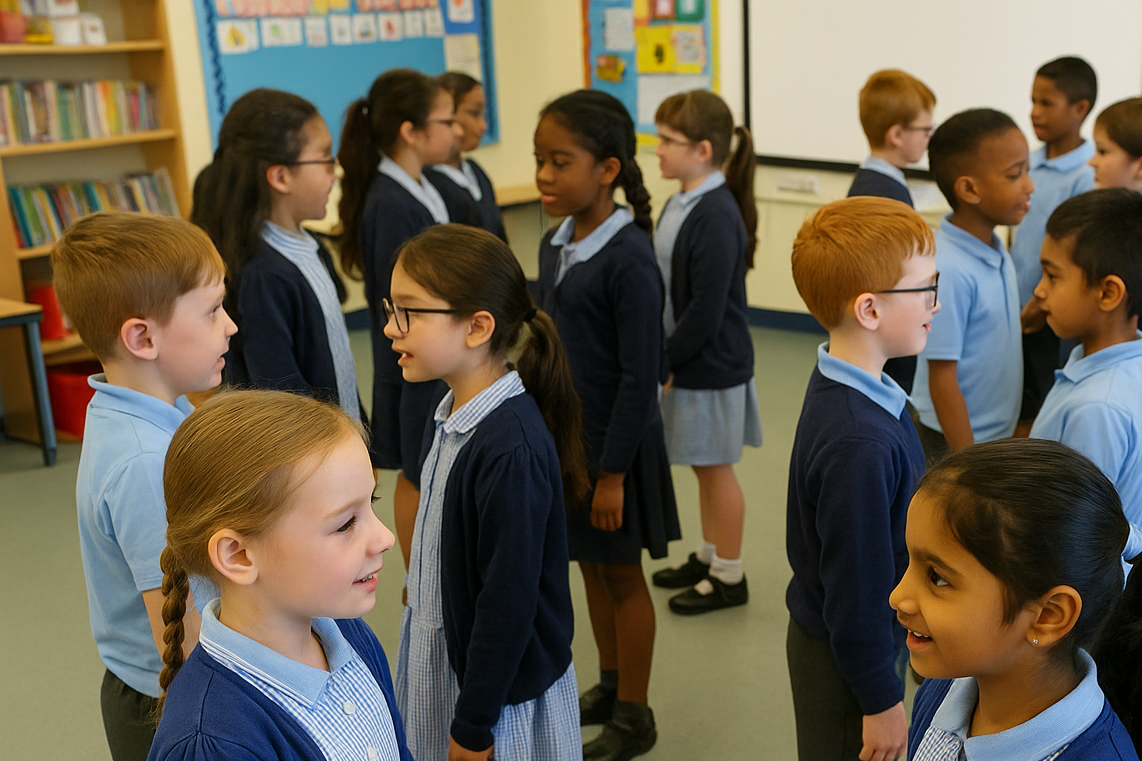
Providing opportunities for children to discuss ‘big ideas’ is central to Philosophy for Children.
Even very young children are capable of thinking about and talking about important questions.
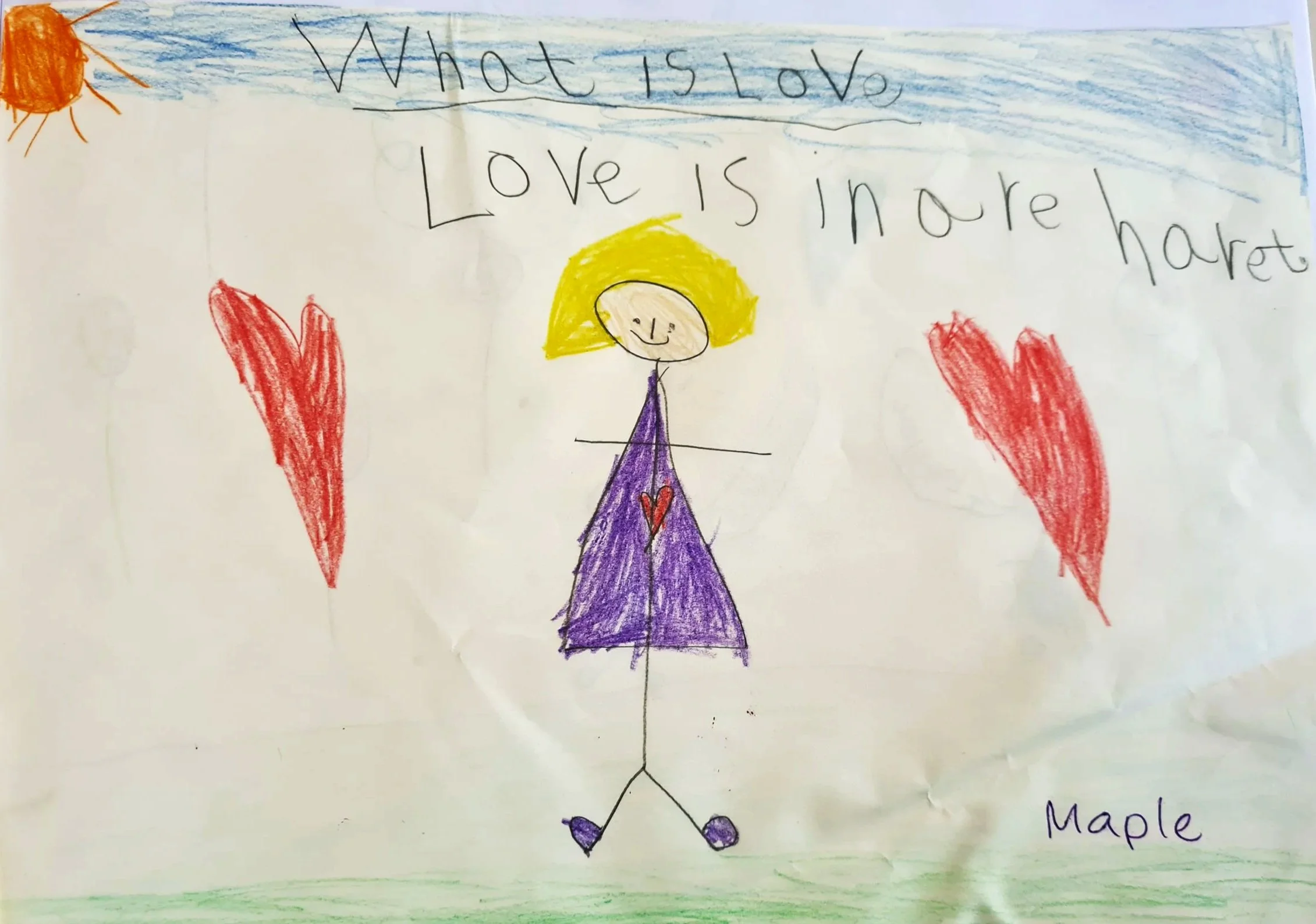
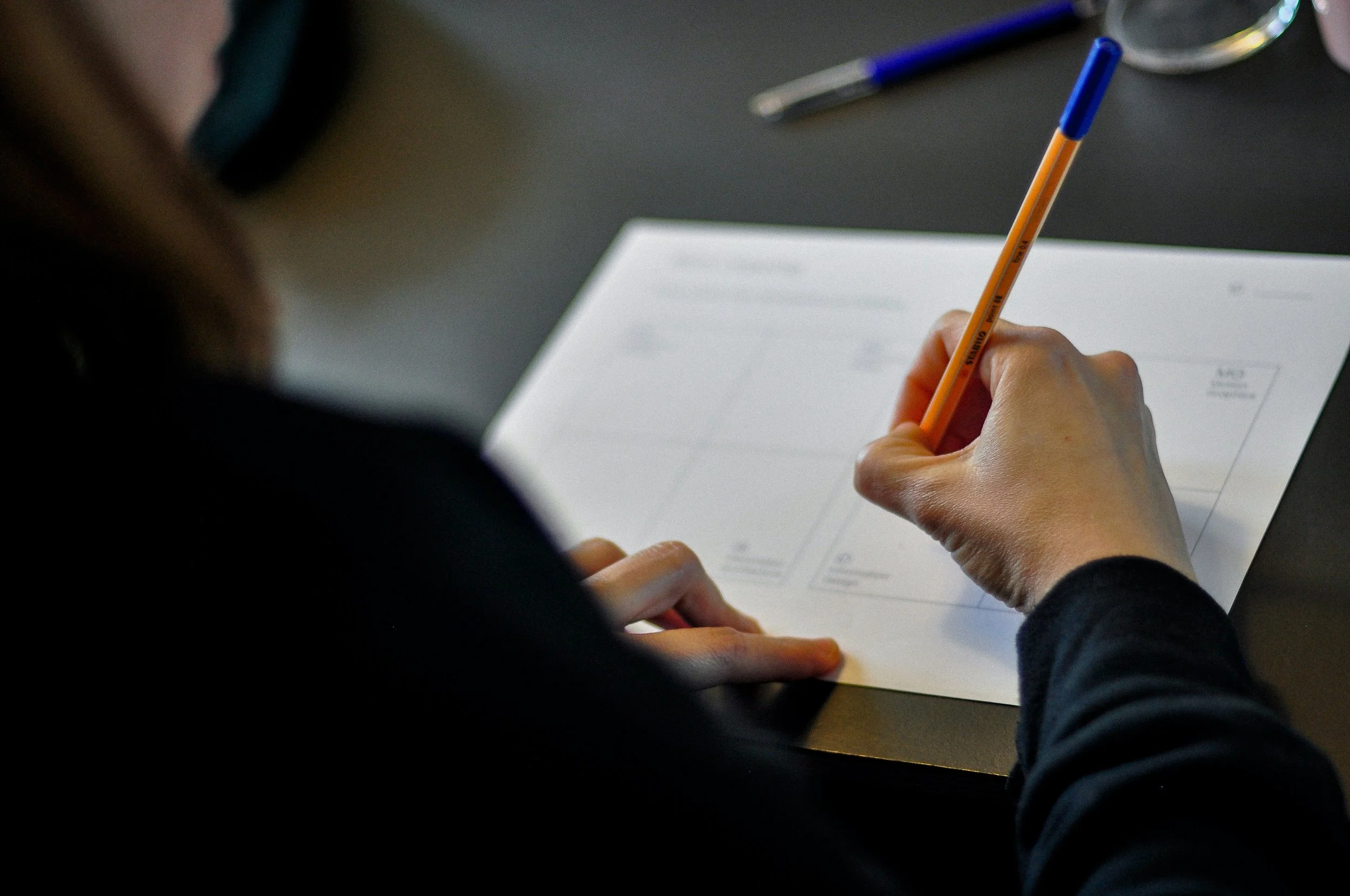
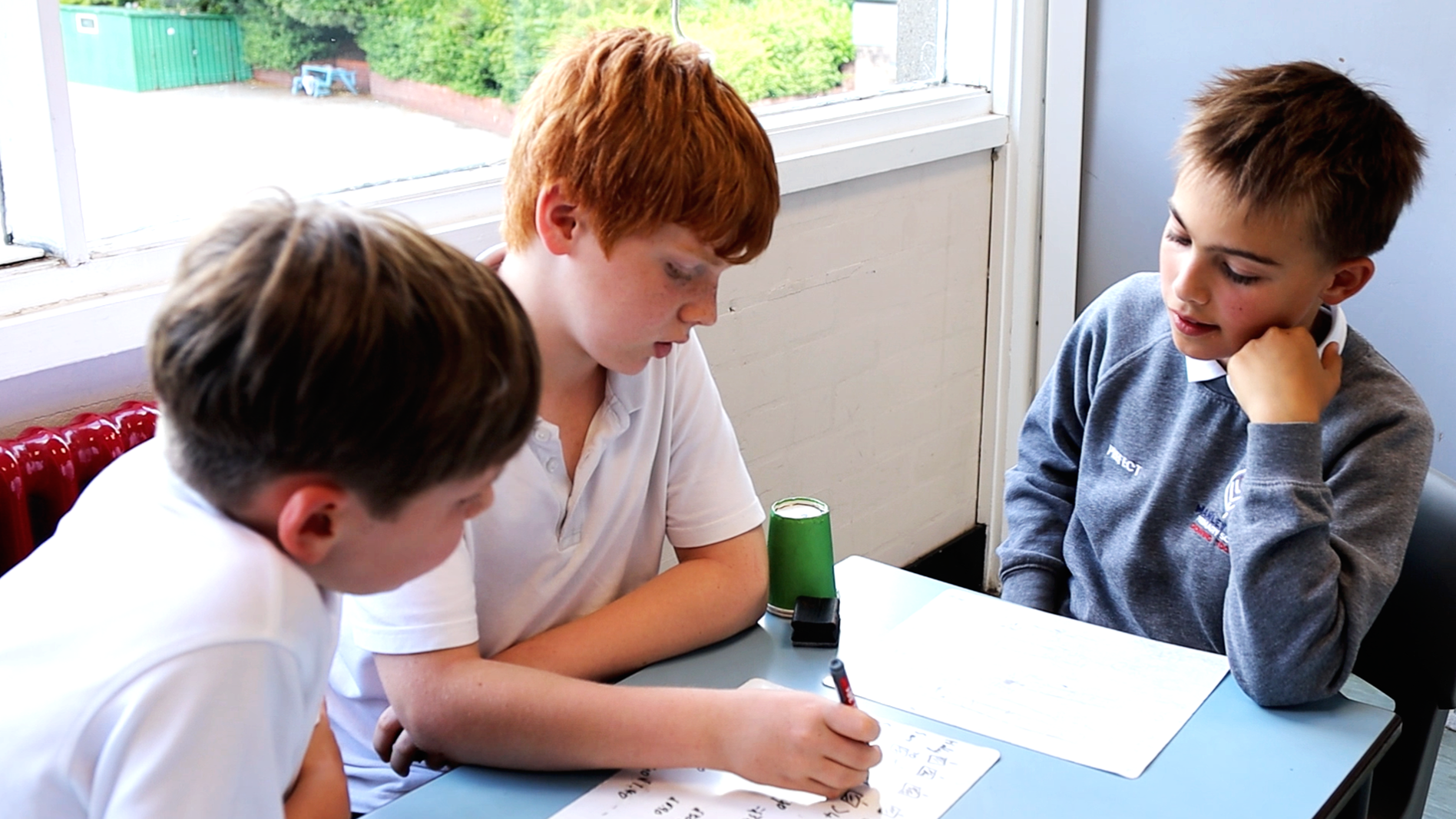
One of my favourite ways to encourage discussion is to combine talk with drawing. When children create a picture of their ideas first, it helps them organise their thinking.
Once everyone has completed their drawing, it becomes much easier for all children to contribute to the discussion. Their drawings make their thinking visible, and give them something concrete to talk about.
Here are some other philosophical concepts (big ideas) that young children will find relevant and interesting to think about:
friendship: What do friends do? What makes a good friend?
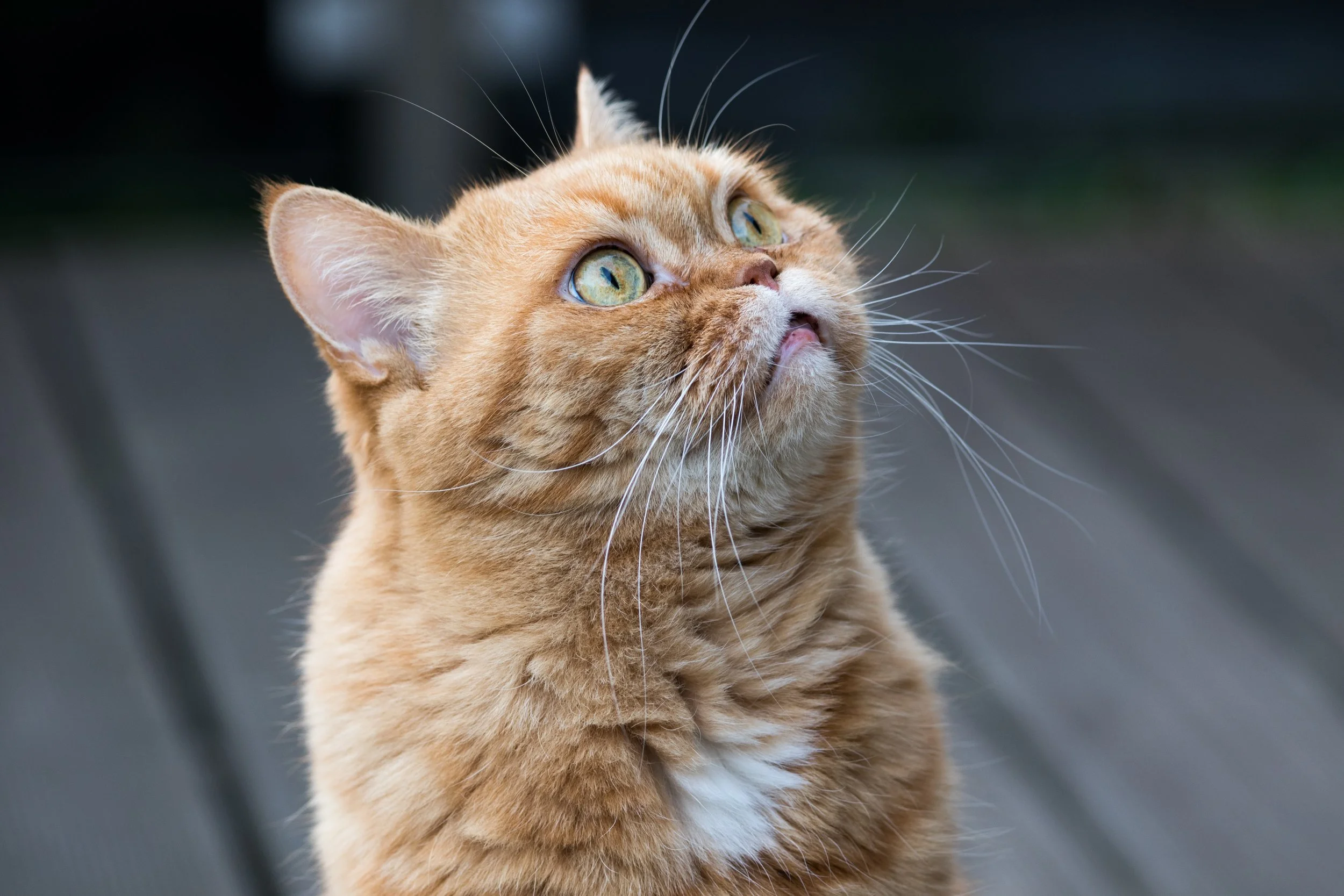
pets: Should people have pets? Are pets important? Can an animal be your friend?
toys: What makes something a toy? Could a pebble be a toy?