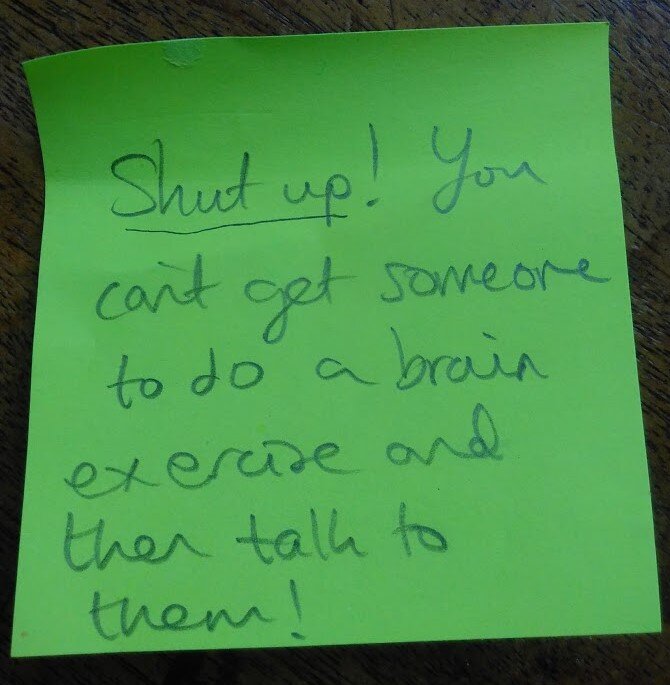
“If you only do one thing, give more thinking time.”
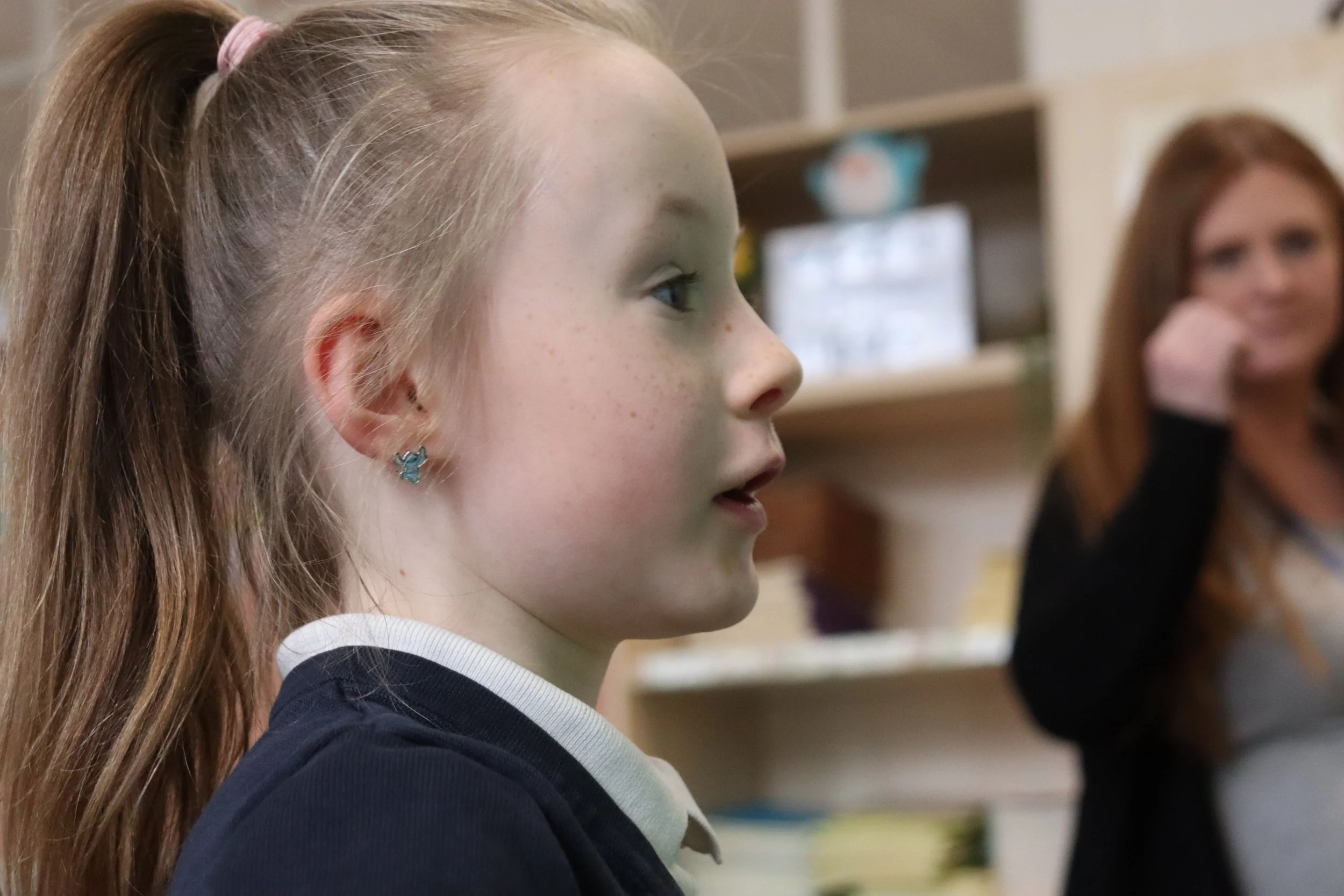
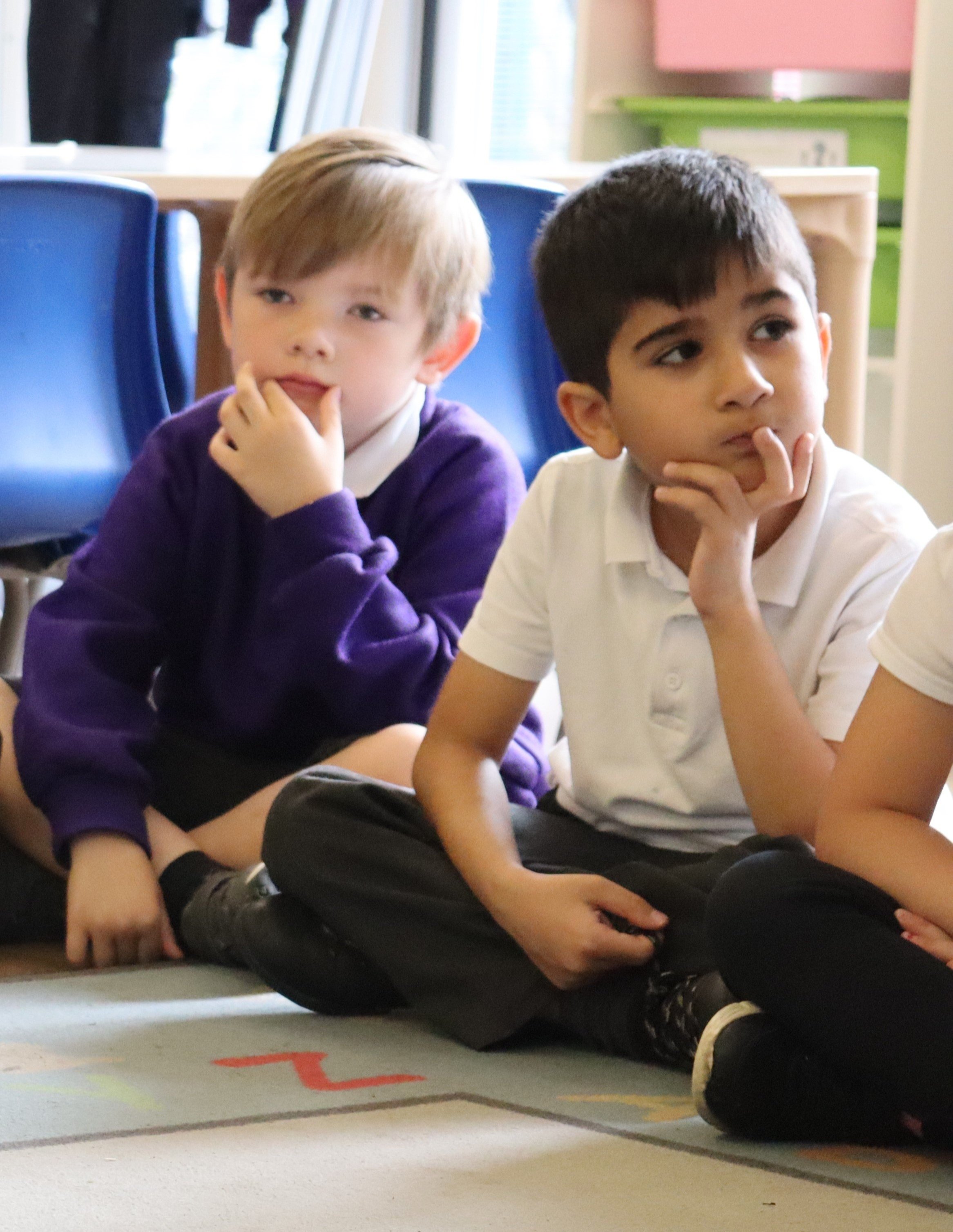
One of the most effective things you can do to support oracy is to provide thinking time.
Silent thinking time.
This benefits everyone.
But in many classrooms, silent thinking time is rare.
I often notice:
teachers not mentioning thinking, or thinking time
teachers mentioning thinking time, but not actually giving any. Imagine how confusing it it for pupils when their teacher says, I’m going to give you some thinking time… but then continues talking!
In the best classrooms, teachers label thinking time, and provide it: I’ll give you some thinking time… followed by several seconds of complete silence.
In classrooms where this is a consistent part of practice, children are used to it – in fact, so used to it that they request it when needed: Please can I have some thinking time.
Photo: Topsy Page
(The quote above is from Speech & Language Therapist Wendy Lee. There’s lots more from Wendy at her website – start here: www.lingospeech.co.uk/post/oracy-and-speech-language-and-communication-needs)