
Photo: Topsy Page
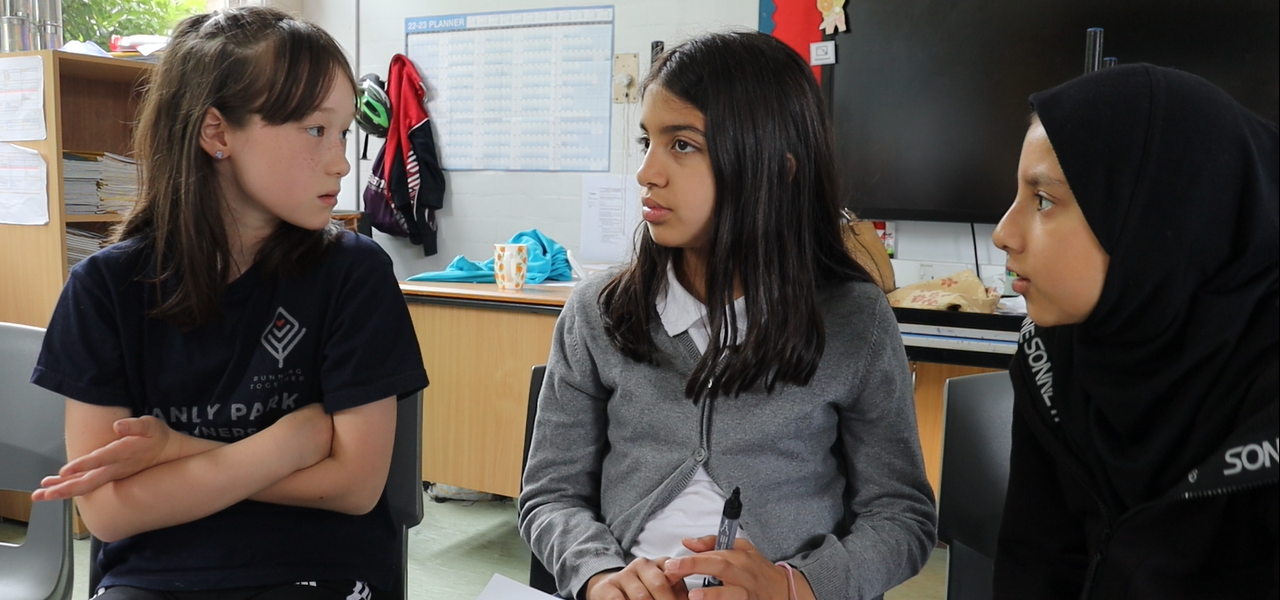
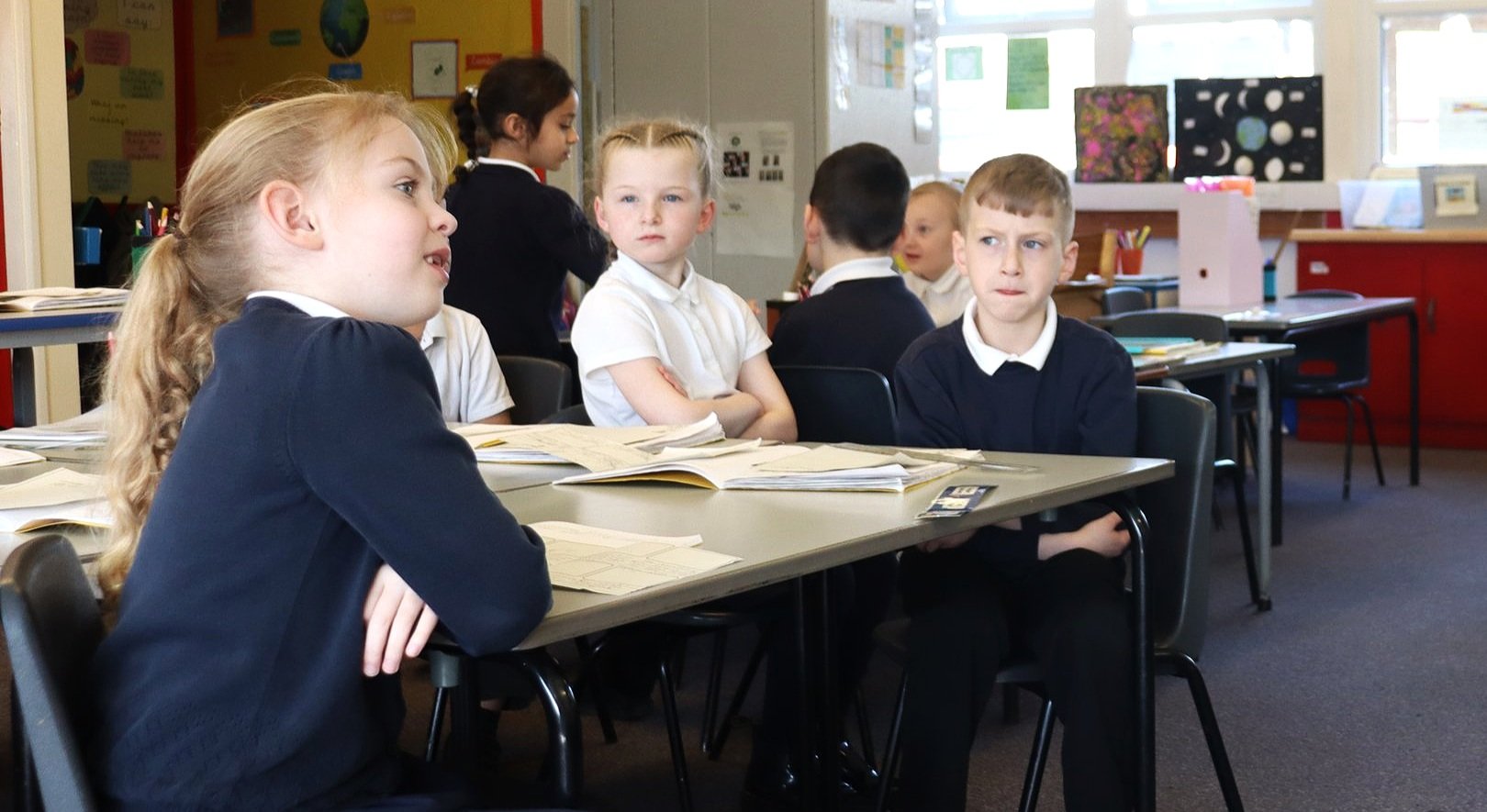
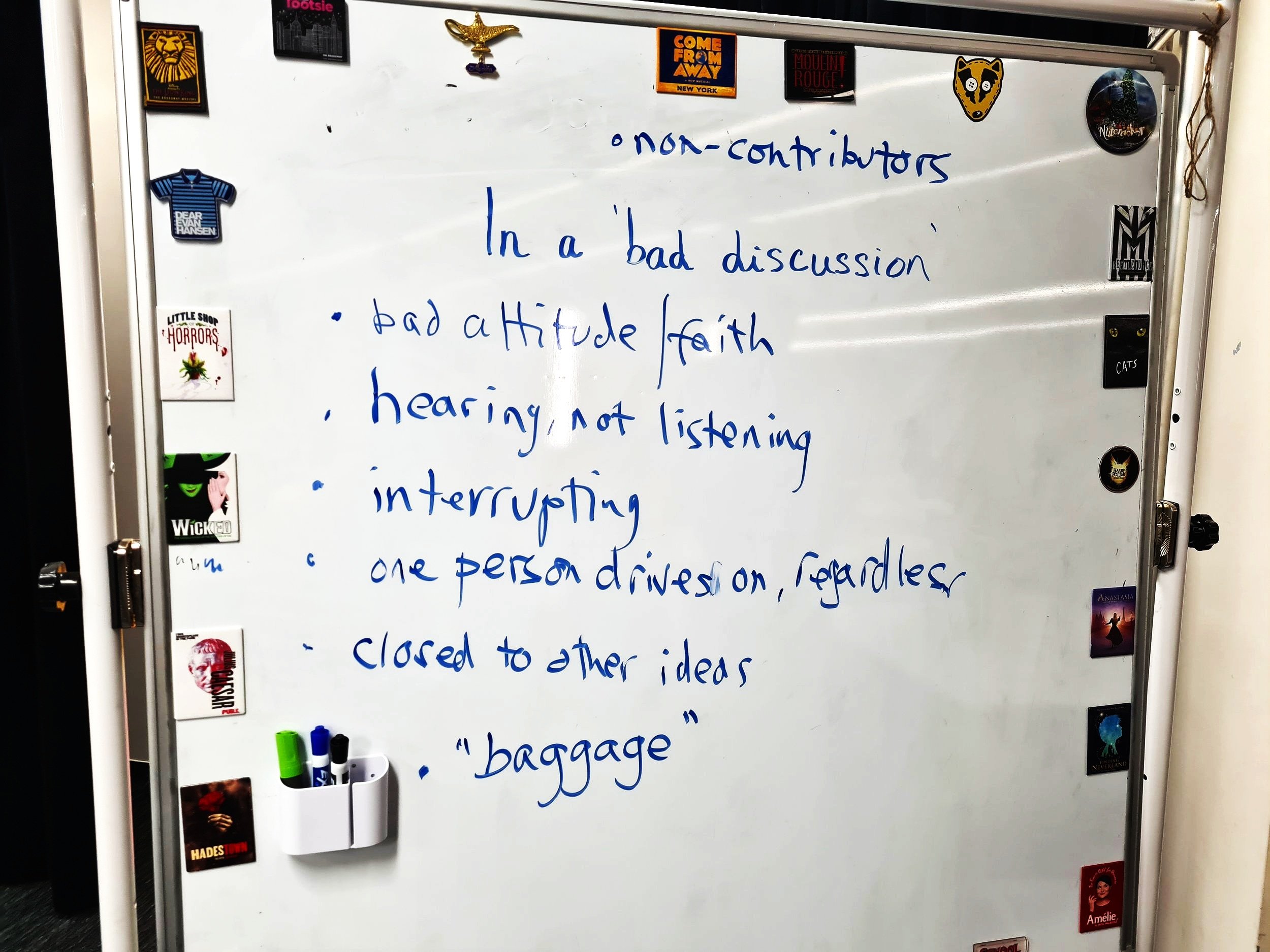
At a session with some Devon teachers that we did recently, Neil Mercer asked them, What might you see or hear if your students are having good discussions?
This is what they said:
staying on topic
everyone engaged
one person at a time
active listening
responding to what’s been said
building on people’s ideas
disagreeing respectfully
explaining a thought
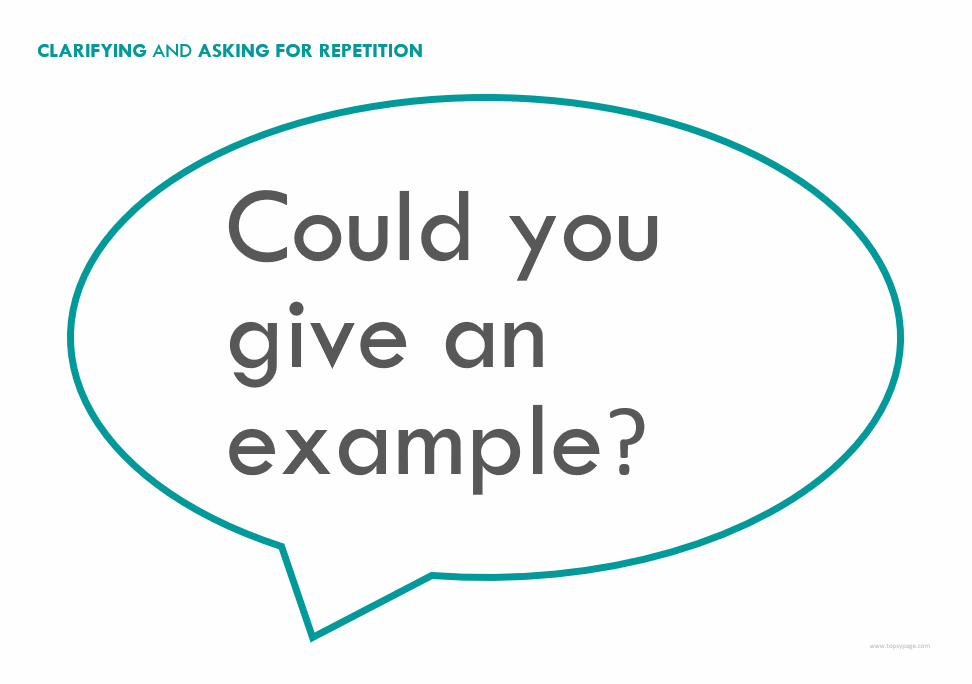
asking someone to repeat something or clarify
Neil agreed, and referring to his research about group work, added a few more to the list:
giving reasons
checking understanding
striving for agreement
He explained ‘striving for agreement’ with real world examples – if in our workplace we’ve been tasked to create something as a team, we can’t just agree to disagree! We have to find a way forward.
Exploratory talk
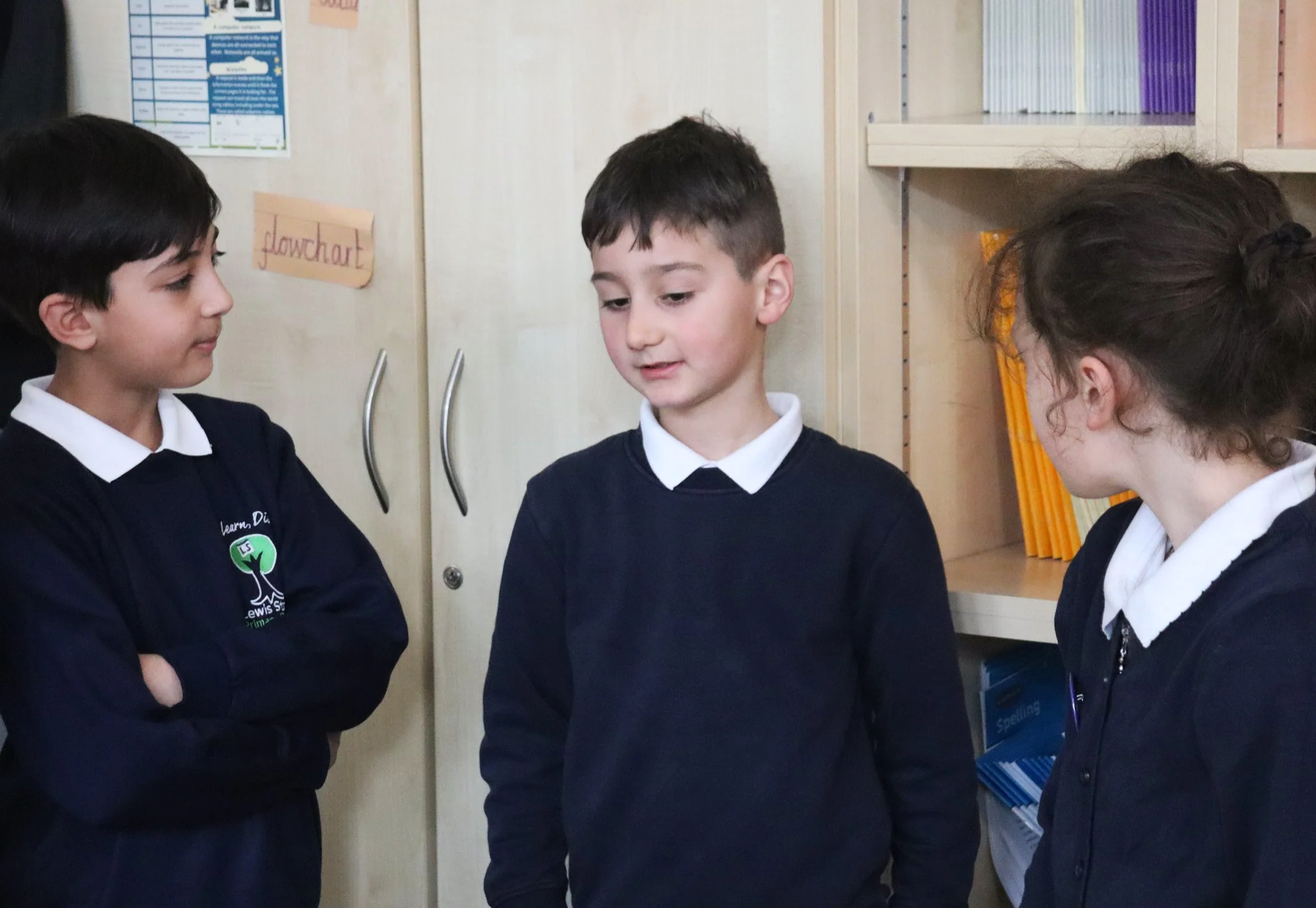
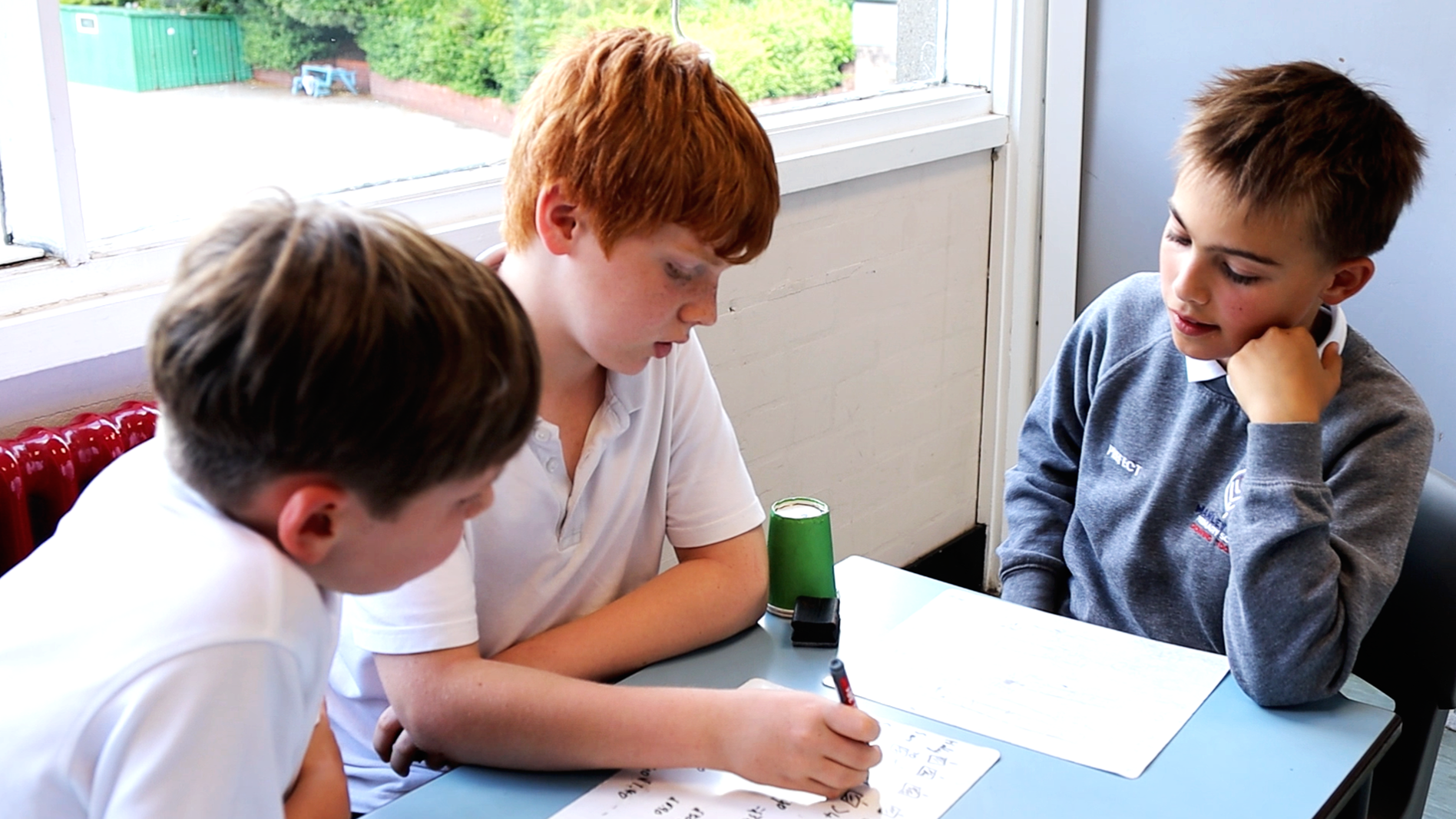
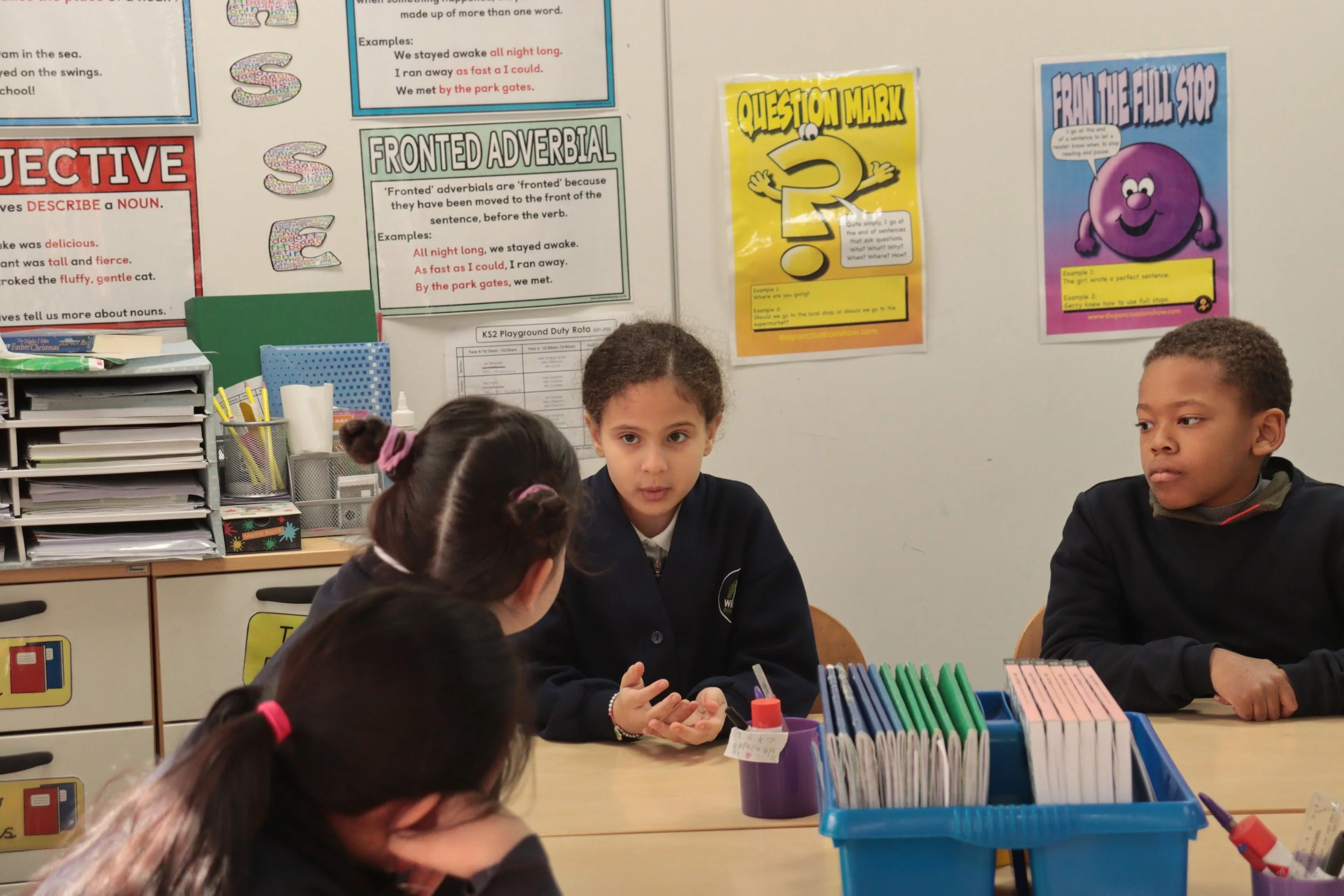
Talking this way in groups is exploratory talk.
The best way to get your students to do it, is to discuss it with them, create ground rules based on the above list, then give them meaningful opportunities to practise. And review how they are getting on.
This really does work.
Stick at it.












Get them really listening to, and thinking about, each other’s contributions