About
Latest posts
Contact
Subscribe
Resources

Topsy Page

About
Latest posts
Contact
Subscribe
Resources
Topsy Page
27 September 2024
Tips and techniques

Positive behaviour and focus in P4C

Topsy Page
27 September 2024
Tips and techniques

A while back, some colleagues and I discussed positive behaviour and focus in Philosophy for Children sessions. Here is a list of things to consider:

  1. Develop ground rules with the class. Revisit these often. Get students to have ownership of these ground rules.

  2. Raise awareness of, and practise, the 4Cs, especially caring and collaborative thinking.

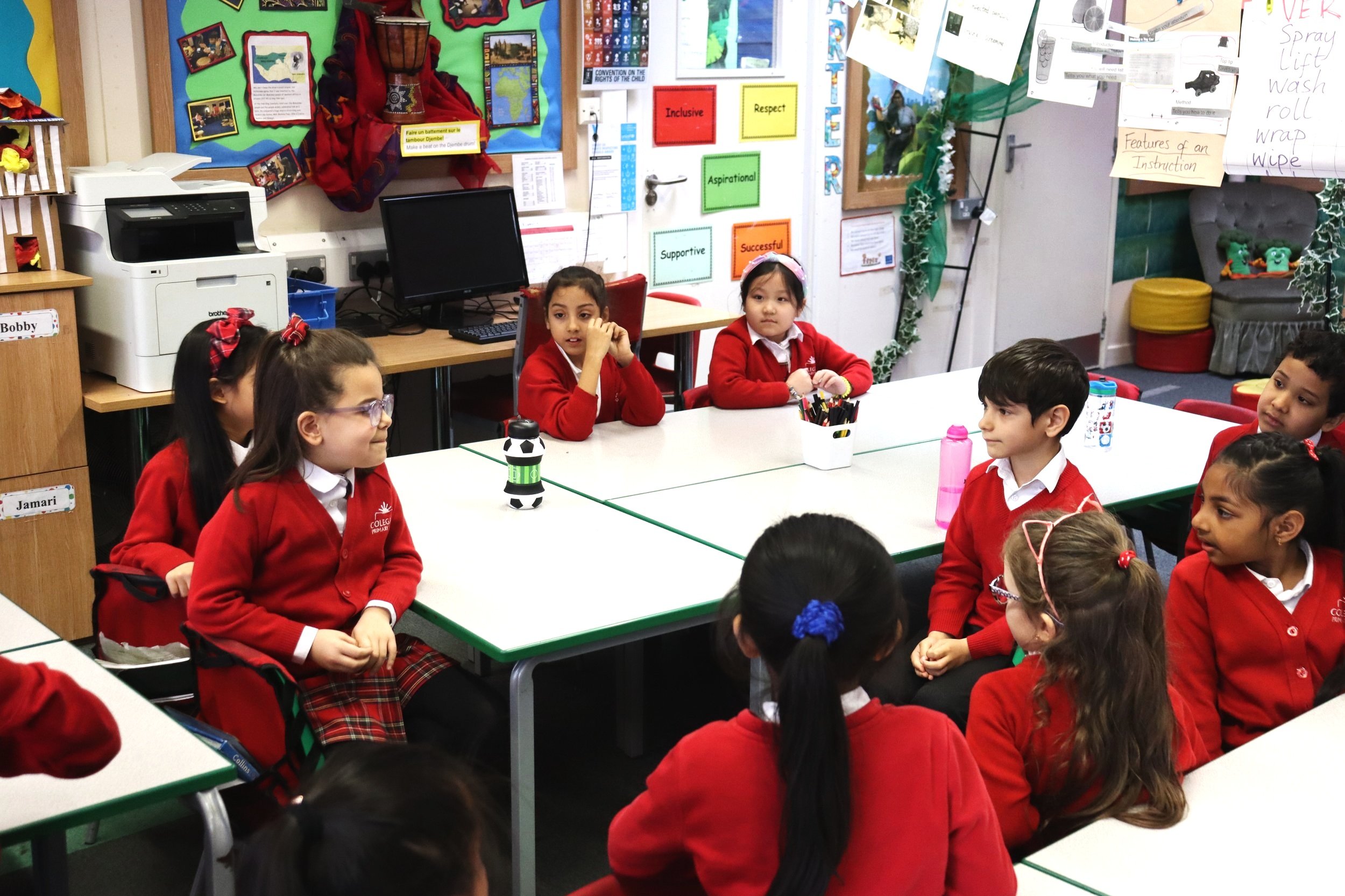
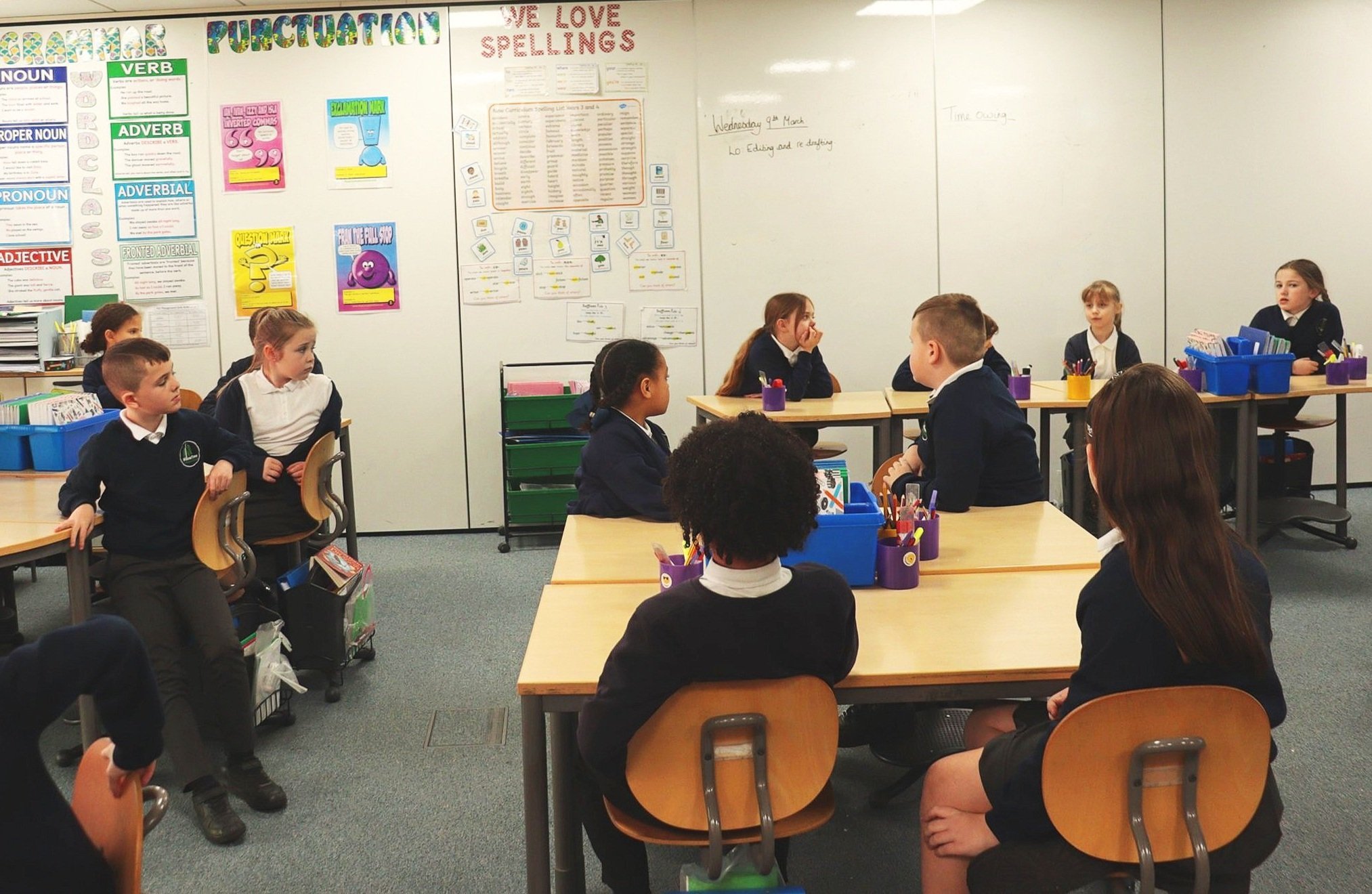
  3. Use a circle whenever possible. This develops an atmosphere of equality, and helps with communication. (In secondary schools, it might be useful to plan P4C lessons back to back and have a room set up in a circle to use with several classes.)

  4. Consider using a seating plan.

  5. Do pupil voice about the process:  What did you think of the lesson? What did you like / not like? What did you find interesting? How could we make it better next time? What do you think of Philosophy? What questions do you have? This can be written or verbal.

  6. Do quick games involving everyone at the beginning, such as Word Connect or Change places if… so that everyone is active and feels included.

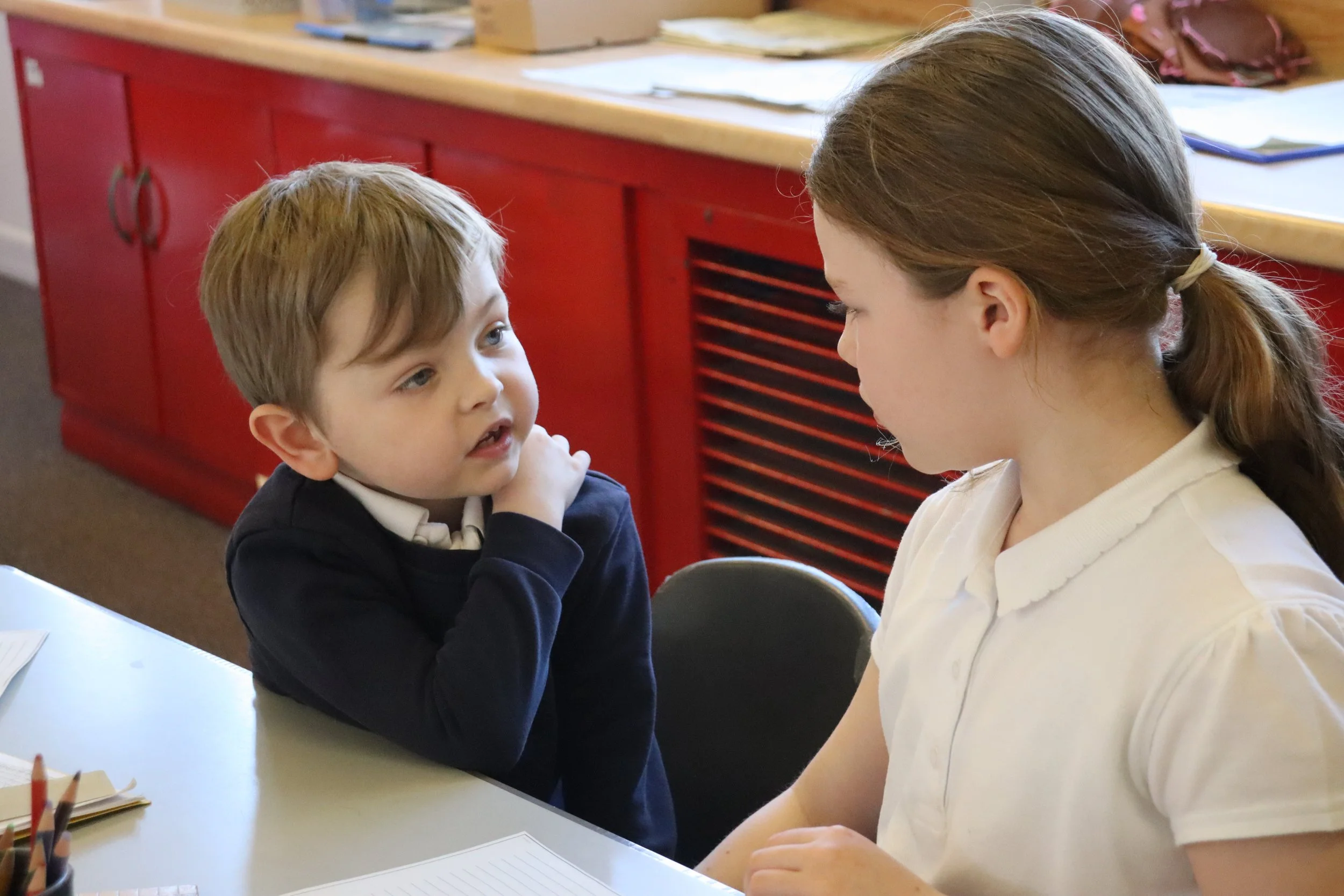
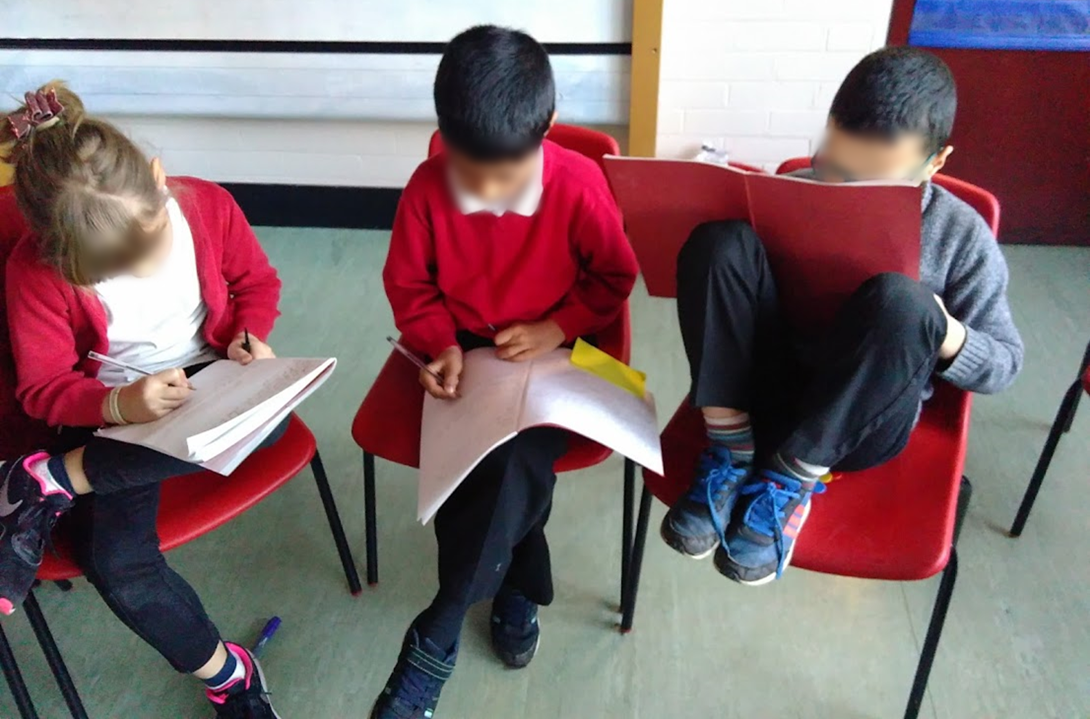
  7. Do lots of talking in pairs, especially with children who are younger, or new to P4C. This reduces long spells of concentration and listening to others. Over time, classes will develop the stamina to listen actively for longer periods.

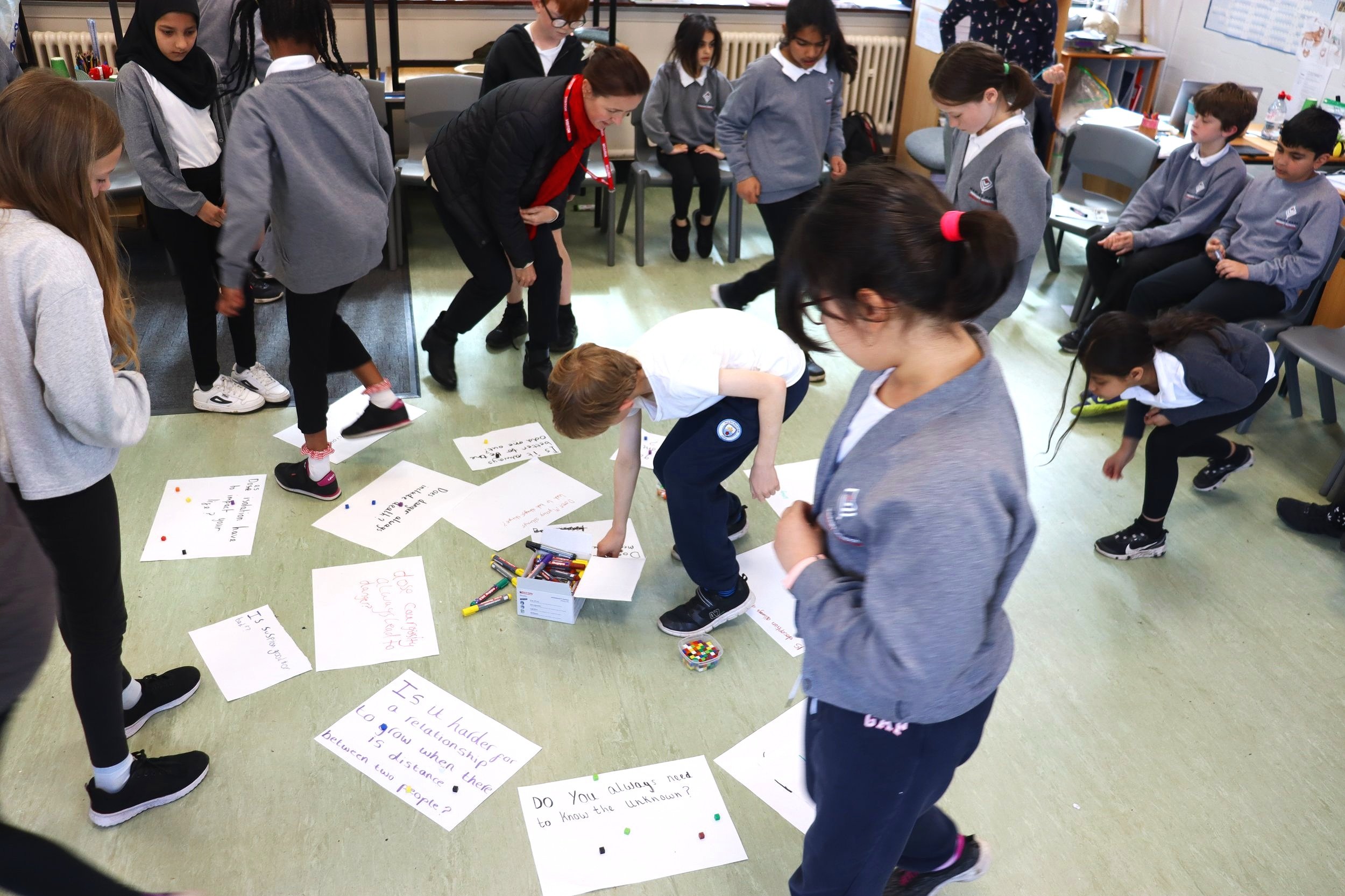
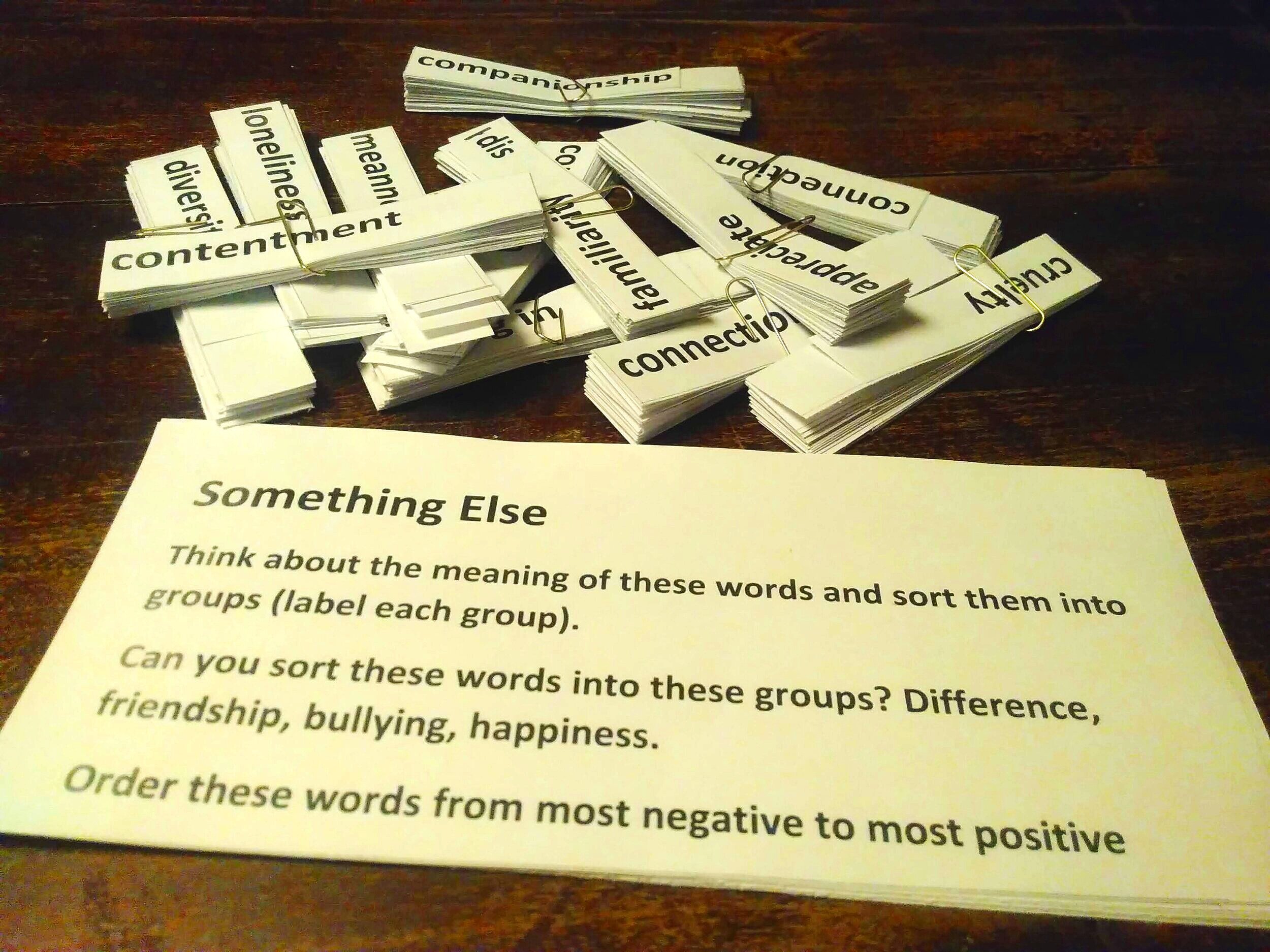
  8. Make some activities physical, for example sorting cut-up statements on paper (concept stretcher example).

  9. Use mechanisms to include all students, for example passing an object around the circle towards the end of the session. This means many who haven’t volunteered to speak will contribute.

  10. Don’t force anyone to speak – let students pass. Over time, most will contribute if the community has developed into a place of respectful dialogue.

  11. Encourage note-taking for older students – this can help with focus and tracking the enquiry, and can mean that quieter students feel able to contribute.

  12. Give responsibilities. For example, Jack, please can you write down everyone’s names in the order they contribute. Shanay, please write down the names of anyone you notice showing respectful listening.

  13. Value students’ questions. Collect them in a book, display them, or post them on the school website or social media.

  14. Consider creating ‘P4C ambassadors’ who go to younger classes to observe, assist, role model and eventually facilitate.

Pupils standing up from their circle of chairs to place counters on their preferred P4C question

Physically moving to vote for a P4C question
 
More on keeping pupils engaged
Oracy - effective talk partners.JPG
24 April 2026
“It’s forcing them, in a gentle way, to use their voice.”
24 April 2026

A teacher talking about why she changes pairings in her class every week

24 April 2026
sincerely-media-bfoN9gBeP3Y-unsplash.jpg
27 March 2026
What did you write on your whiteboard?
27 March 2026

A simple yet underused strategy

27 March 2026
IMG_1229.JPG
20 March 2026
Be careful with 'Who can...?'
20 March 2026

The way you phrase your questions matters!

20 March 2026
dice-949116_1280.jpg
24 October 2025
Using dice for accountability in group work
24 October 2025

How one teacher raises accountability using a quick and simple technique

24 October 2025
oracy - maths in pairs.png
17 October 2025
If you want them to collaborate, stop giving out individual resources!
17 October 2025

Collaboration is much more likely when pupils have to do a shared piece of work

17 October 2025
All together.PNG
22 November 2024
Everyone!
22 November 2024

The power of quick cues when you want them to chorally repeat

22 November 2024
Choosing a P4C question.jpg
27 September 2024
Positive behaviour and focus in P4C
27 September 2024

Ways to keep everyone engaged and develop the community of enquiry

27 September 2024
Listening classroom example.jpg
20 September 2024
How can I get everyone to join in?
20 September 2024

The importance of building the right foundations

20 September 2024
Pair talk - oracy.jpg
30 August 2024
Many possible answers – getting everyone talking
30 August 2024

What will happen when you remove the fear of being wrong?

30 August 2024
lego-1044891_1280.jpg
27 October 2023
Choral speaking in P4C?
27 October 2023

Get everyone listening and engaged with the big ideas and questions

27 October 2023
Reading from the board (oracy).JPG
20 October 2023
"I'm talking less..."
20 October 2023

How one teacher increased engagement

20 October 2023
Vanessa b&w.jpg
12 May 2023
Vanessa's tips for P4C with 6-7 year olds
12 May 2023

Five top P4C tips from an experienced teacher

12 May 2023
whole-class talk activity.jpg
9 December 2022
"It feels like you're trying to solve something"
9 December 2022

Pupil voice about whole-class talk in Reading lessons

9 December 2022
turtle-bug-7493232_1920.jpg
11 November 2022
Philosophy with six-year-olds – but there's a bug on the carpet!
11 November 2022

Using an unexpected event as a P4C stimulus

11 November 2022
egyptian-g167ab9578_1920.jpg
24 June 2022
P4C in history
24 June 2022

Five big questions to get children thinking deeply

24 June 2022
Thinking questions in reading.JPG
10 June 2022
Thinking questions in Reading
10 June 2022

Get students thinking and talking about ideas beyond the text

10 June 2022
Children jotting.png
26 November 2021
Why not jot?
26 November 2021

How making notes positively impacts on thinking, talking and writing

26 November 2021
Online lesson engaging example original.jpg
19 November 2021
Tips to make Zoom sessions interactive (Part 4)
19 November 2021

The final instalment of my tips for making online sessions more engaging

19 November 2021
Zoom interaction - green object.jpg
22 October 2021
Tips to make Zoom sessions interactive (Part 3)
22 October 2021

More ideas to encourage participation

22 October 2021
Zoom interactive sign.png
1 October 2021
Tips to make Zoom sessions interactive (Part 2)
1 October 2021

Make virtual meetings and lessons more engaging

1 October 2021
Question mark prompt.jpg
17 September 2021
Do your students ask many questions?
17 September 2021

How to create regular opportunities

17 September 2021
Hamster on Zoom (talk tips).png
10 September 2021
Tips to make Zoom sessions interactive (Part 1)
10 September 2021

Avoiding those empty silences…

10 September 2021
teaching-4784914_1920.jpg
11 June 2021
Do you repeat pupil responses? Why?
11 June 2021

Teachers’ reasons, and why it might be better not to

11 June 2021
children sitting with hands up.jpg
28 May 2021
Did you put your hand up at school?
28 May 2021

Pupils tell us why they think their peers don’t raise their hands

28 May 2021
Pupil Talk Prompt - Please could you speak a bit louder.png
21 May 2021
Please could you speak a bit louder?
21 May 2021

Creating a classroom culture that shows you value pupil talk

21 May 2021
Zoom dialogue game.png
29 January 2021
Live online lessons - talk tip
29 January 2021

Instantly make learning more interactive, and talk more purposeful

29 January 2021
sorting+words+for+productive+classroom+talk.jpg
27 November 2020
Is it worth cutting up bits of paper?
27 November 2020

The case for giving a hands-on focus to classroom talk tasks

27 November 2020
child playing with blocks.jpeg
20 November 2020
Do you comment enough?
20 November 2020

An important technique for developing language

20 November 2020
Make just one change - cover.jpg
28 August 2020
Make Just One Change
28 August 2020

A book that will change the way you think about questions in the classroom

28 August 2020
Philosophy Bear talking toy
19 June 2020
What about the quiet children?
19 June 2020

Three simple ways to increase participation

19 June 2020

Tagged: P4C (Philosophy for Children), circle time, P4C facilitation, ground rules / talk agreement, pair talk / talk partners, jotting, pupil voice, pupil engagement

Newer PostHow can I get them to be better at listening?
Older PostHow can I get everyone to join in?
Back to Top
West Yorkshire, United Kingdom