
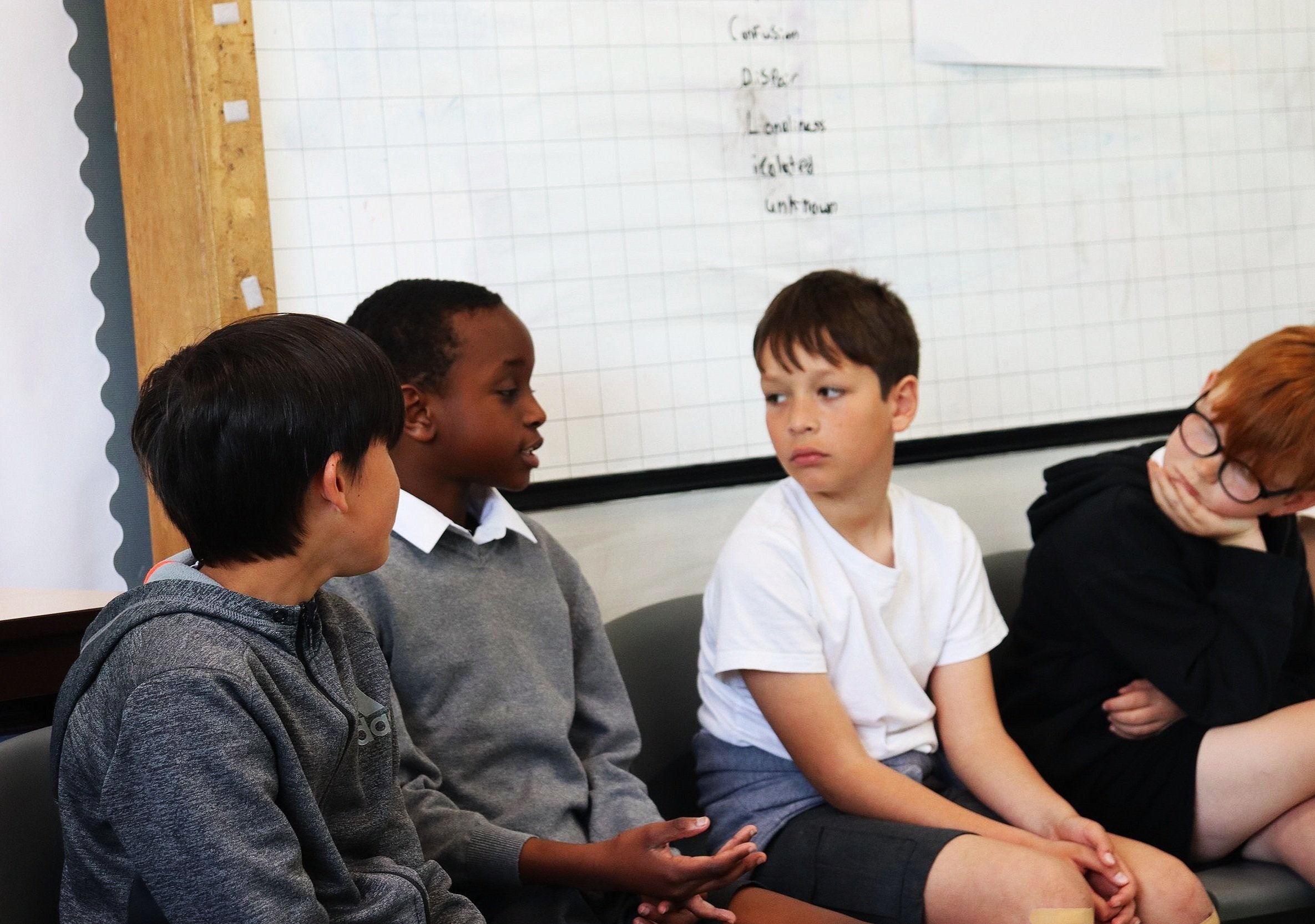
Last week, the UK’s new Education Secretary, Lucy Powell, announced that oracy will be given ‘equal status to reading and writing’ as part of a revised National Curriculum.
Powell’s speech framed oracy as ‘central to success in work and in life’ and said that in the age of AI, oracy is one of ‘the skills that makes us human’.
It’s exciting that a commitment to oracy is being made at government level, and I look forward to further details. I also support the vision: ‘nobody left out because they can’t speak up’.
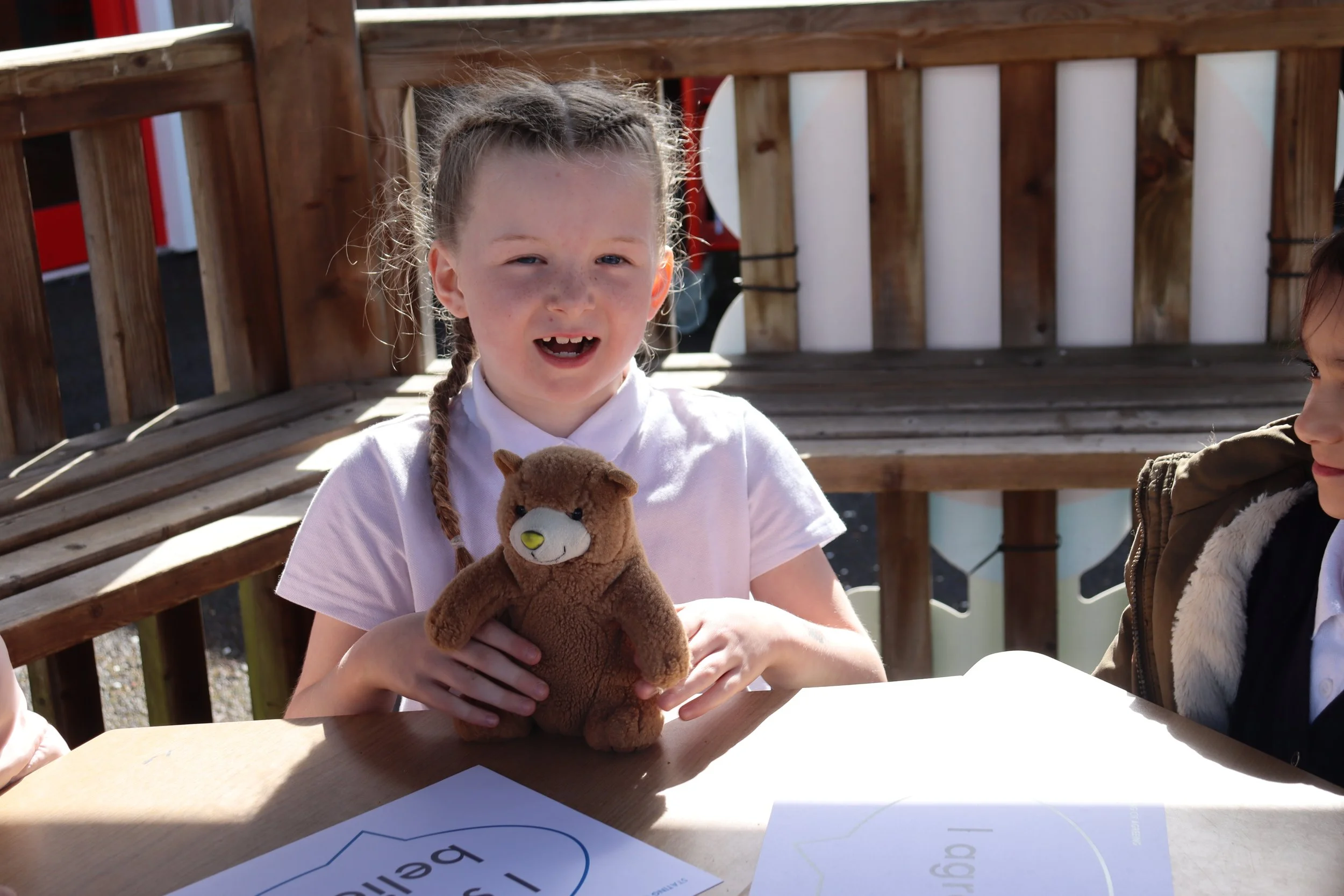
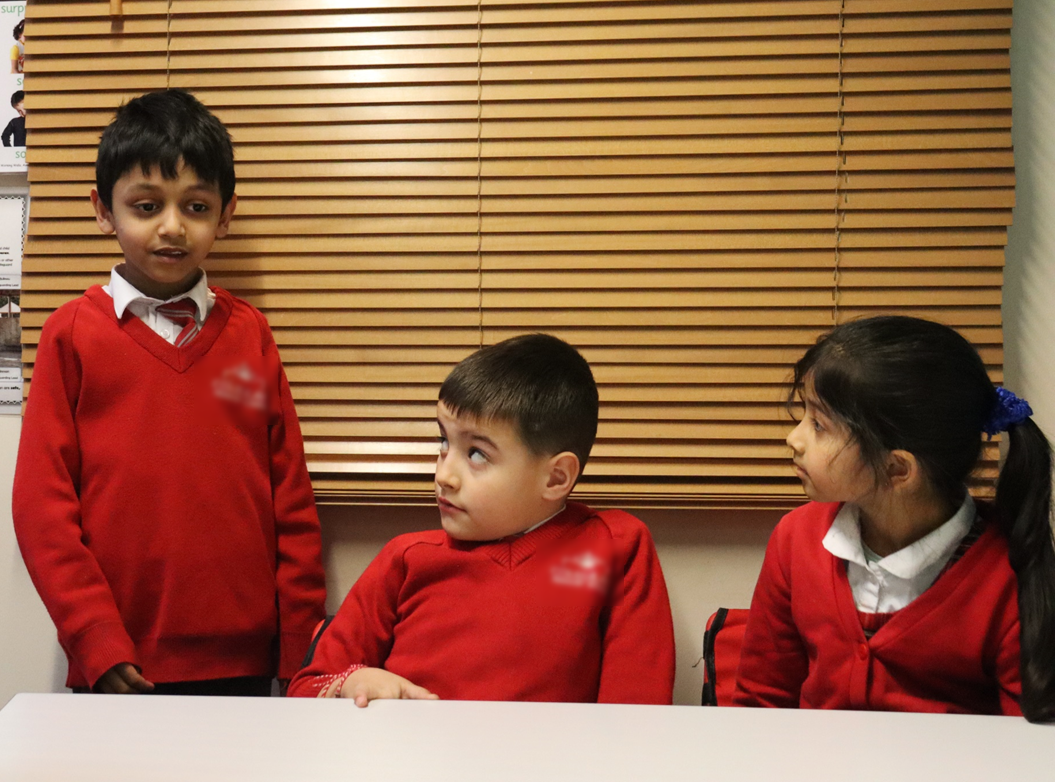
Photo: Topsy Page
Assessment and oracy
The speech briefly mentioned assessment. Here’s an earlier article from Oracy Cambridge and Voice 21 which discusses assessment and oracy in some detail:
Oracy’s back in the curriculum – what does this mean for assessment?
What is ‘oracy’?
Some news reports about this announcement defined oracy as ‘the ability to articulate oneself fluently and confidently through spoken language’. I’m not sure where this definition originated – it may have been generated from various references which are out there on the internet.
The words actually used in Lucy Powell’s speech were ‘speaking, listening and communicating’ and I would emphasise that by including listening, this is a more thorough summary.
“Oracy will light up every classroom.”











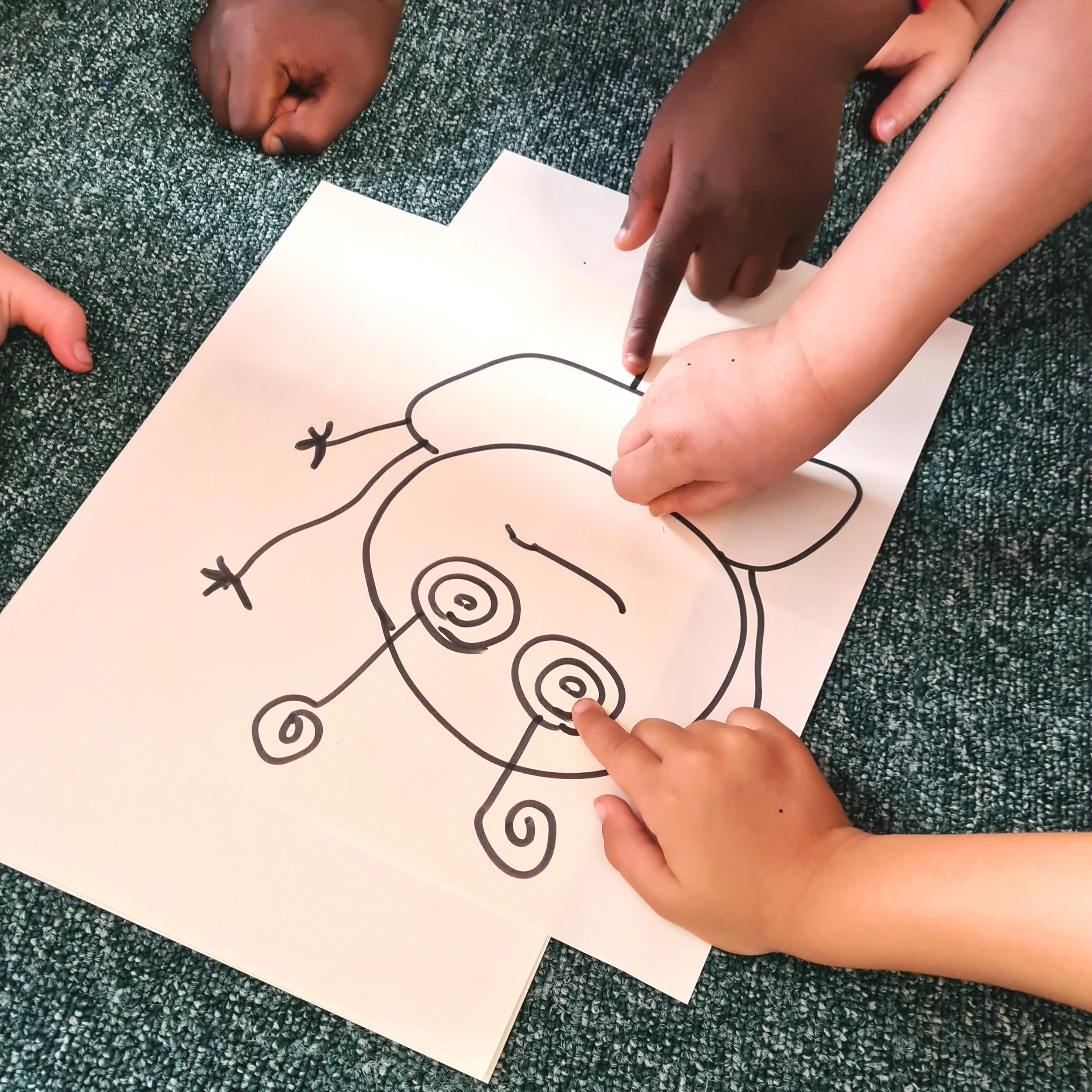


Can they remember what everyone else said?