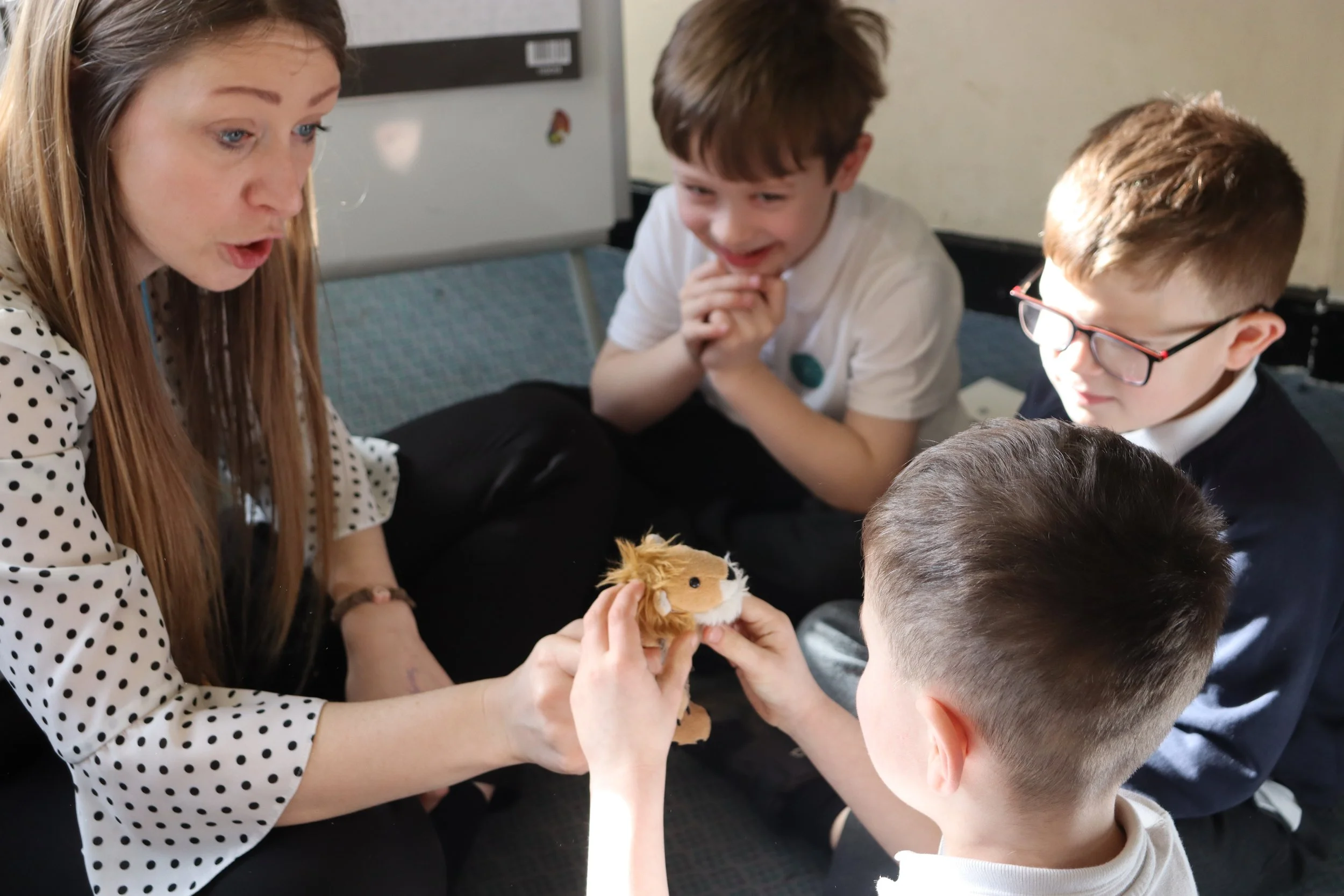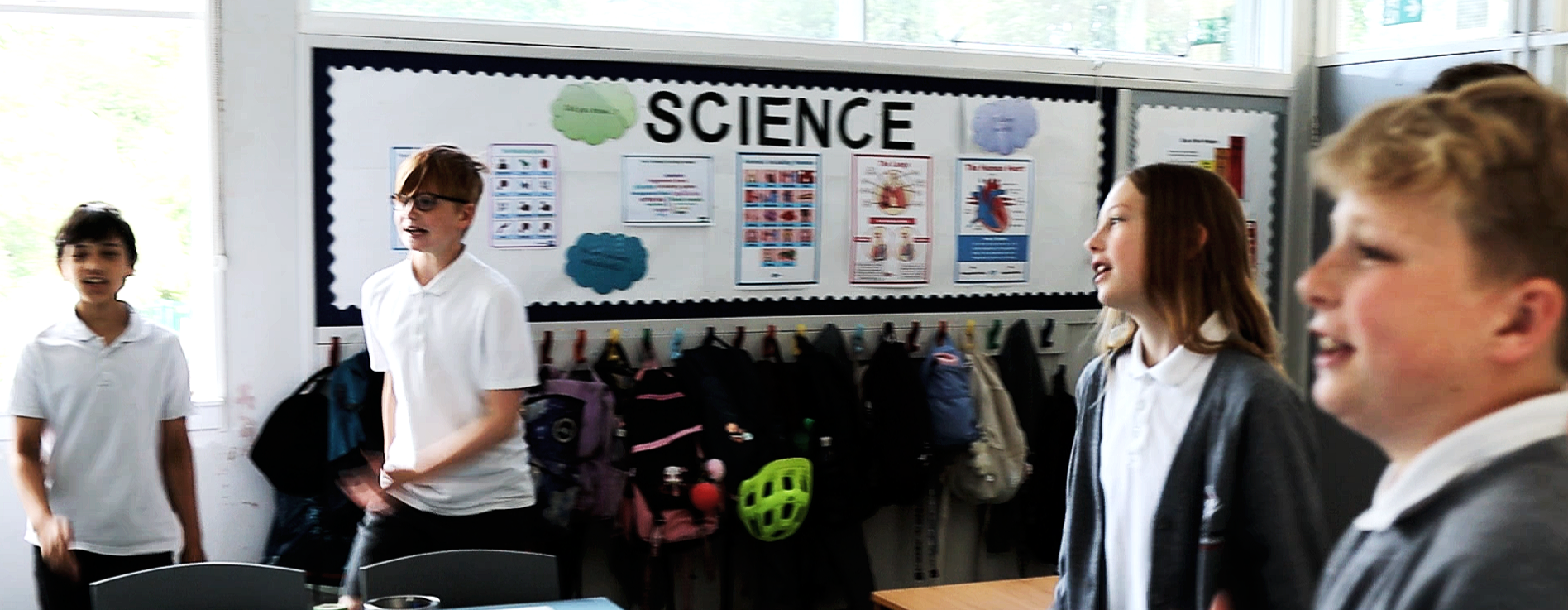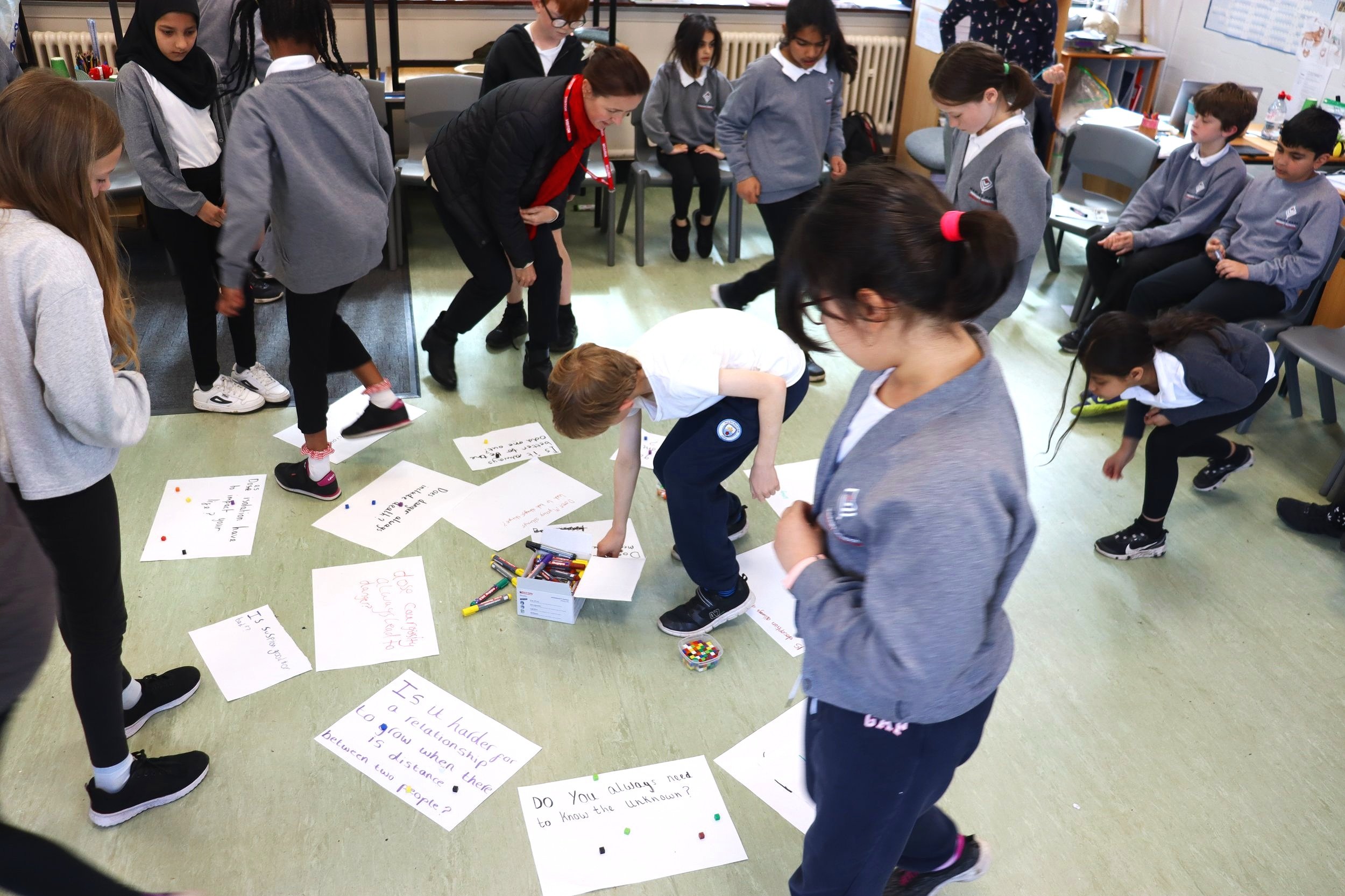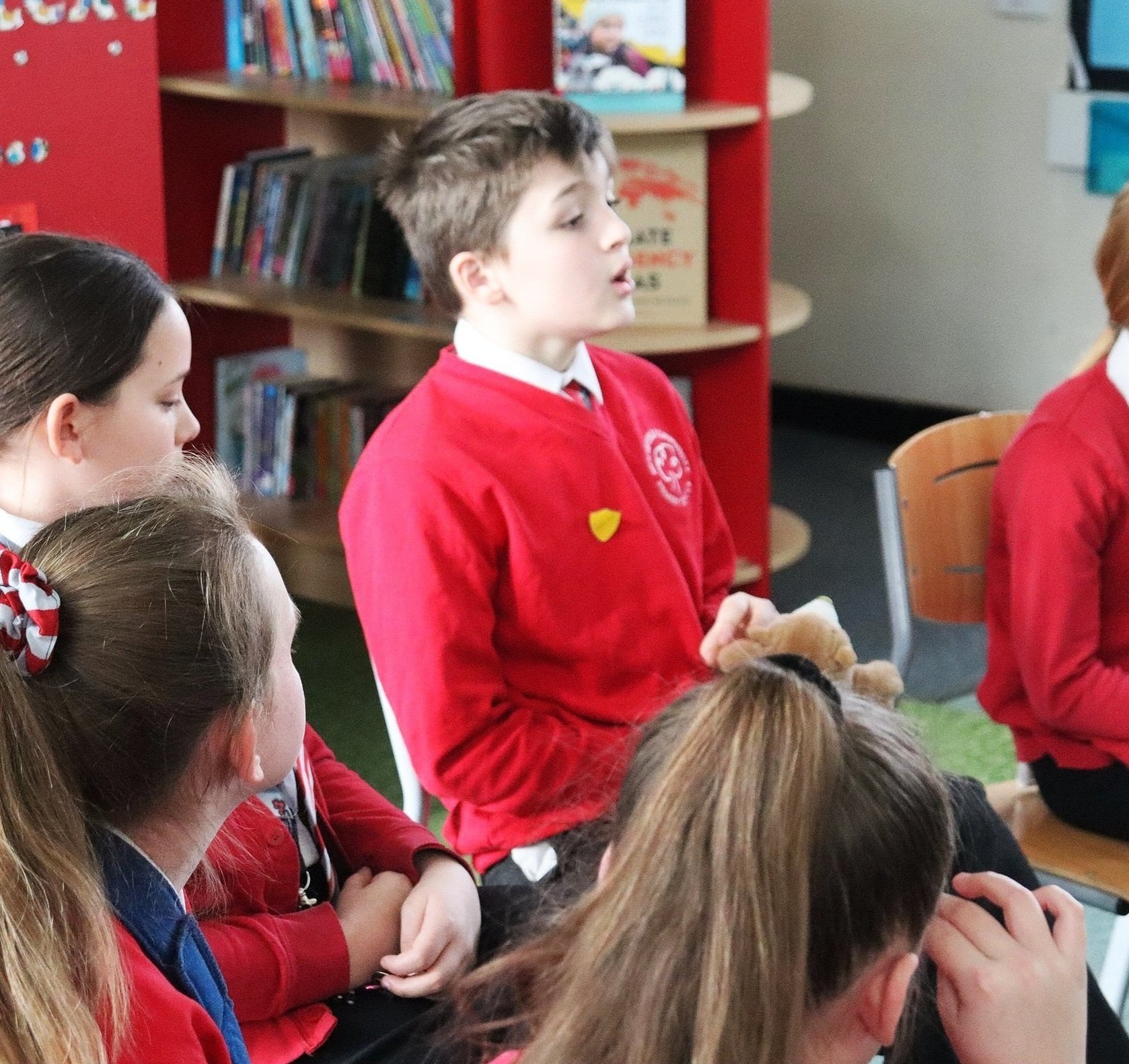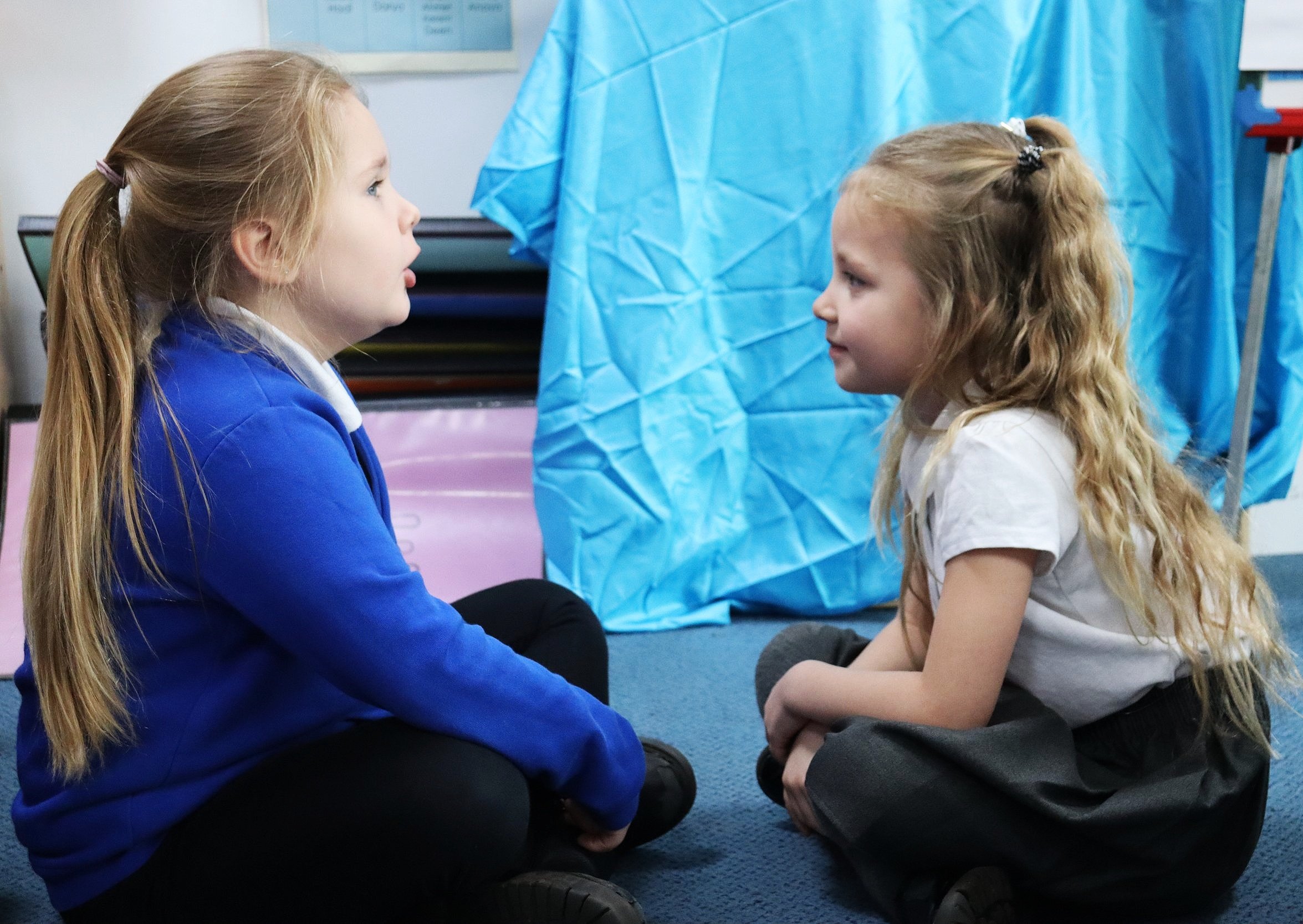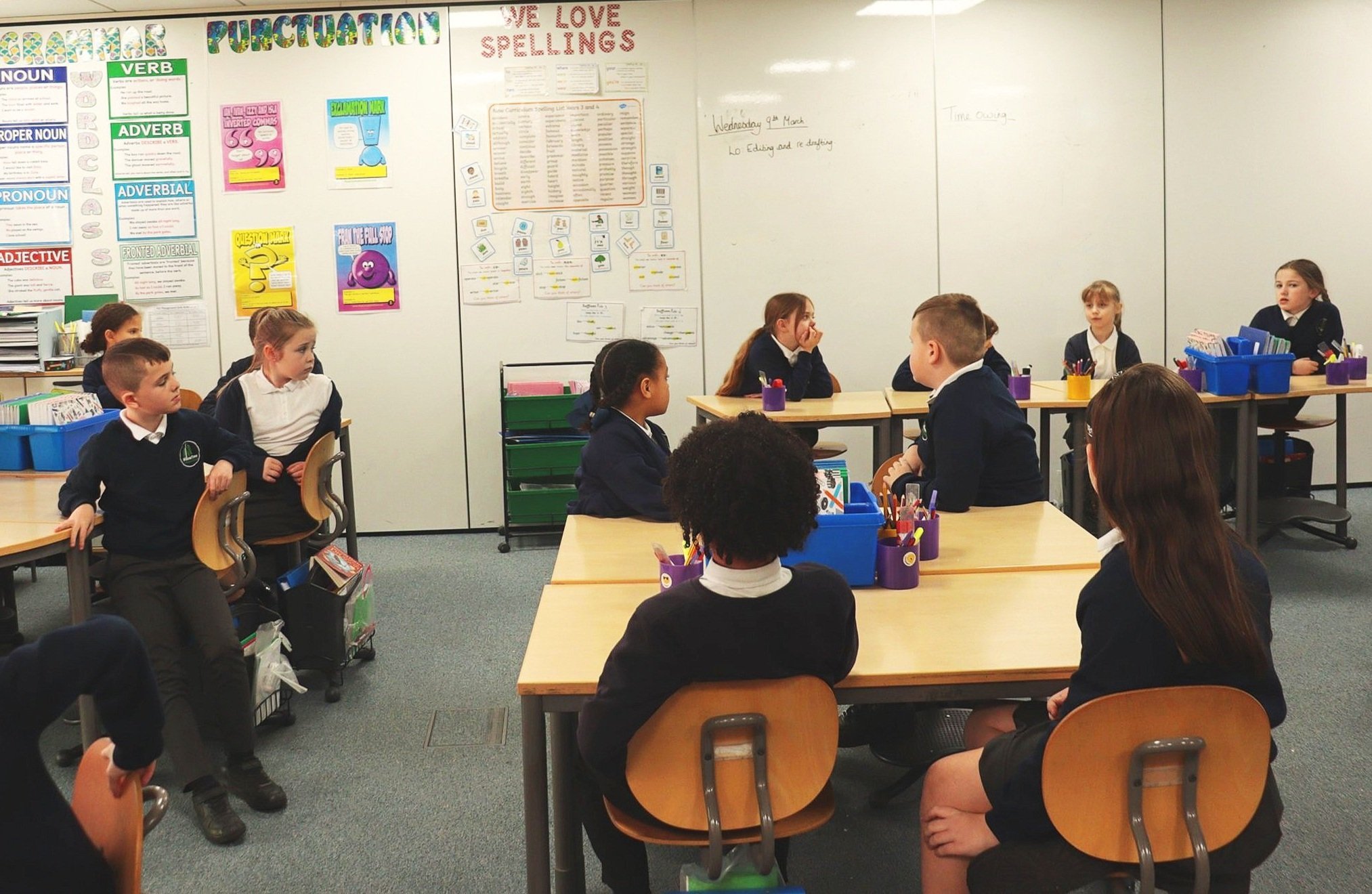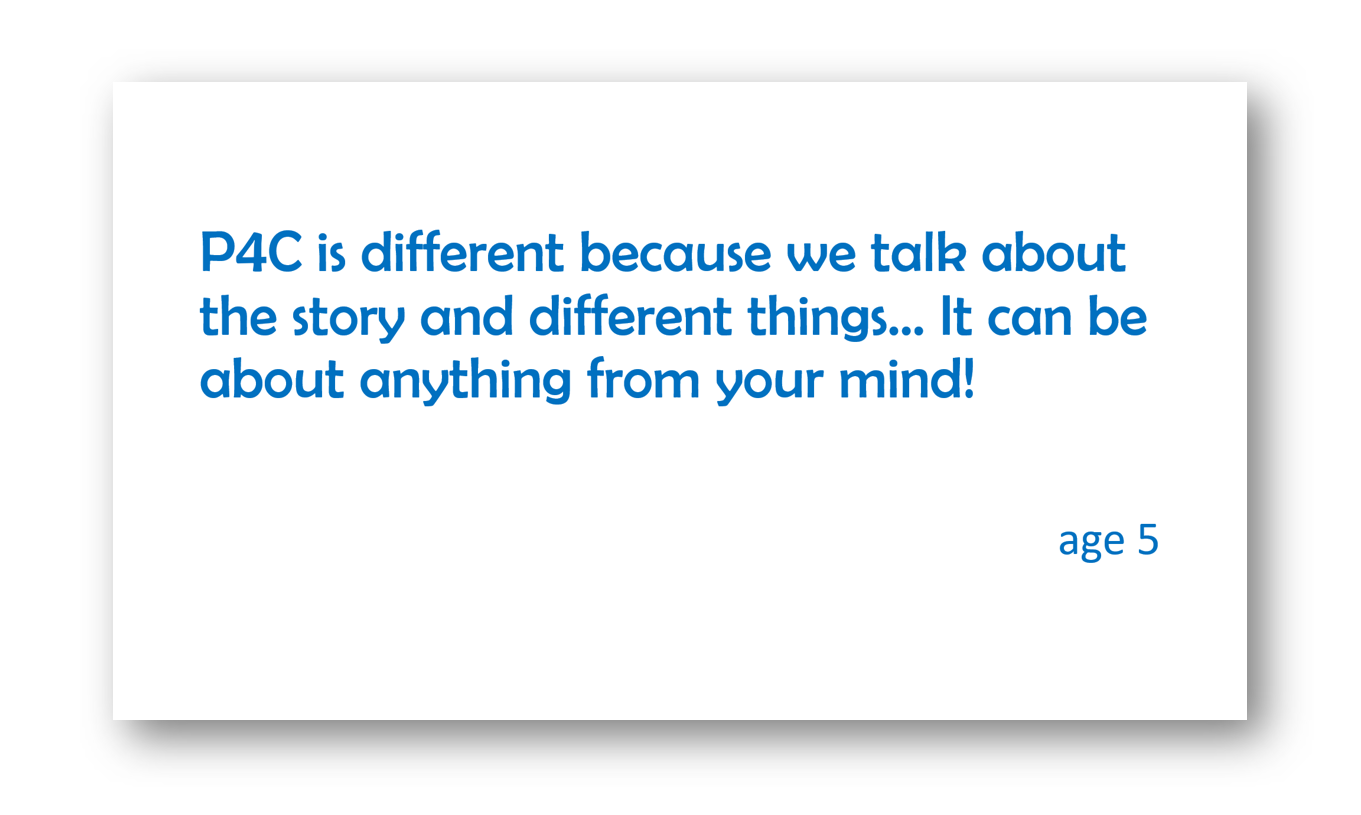
Here are some thoughts from children, age 10, after they tried out some oracy approaches in their class. The strategies included passing on the dialogue (‘speaker chooses’) and practising speaking to the whole class, instead of just addressing their talk to the teacher.
“I think it’s good that we can ask questions like ‘What do you think?’ and ‘Why do you disagree with me?’”
“This might actually help us to communicate with our classmates and stop being shy. ”
“I feel good about this because people will listen to others, and our arms won’t ache.”
“I really like the ‘Do you agree or disagree with me?’”
“ I like it because we will be a role model for kids that are younger.”
“I strongly believe that this is a good idea, because instead of just saying their name you can say ‘Do you agree or disagree?’”
“We need to stop being shy and show who we really are!”
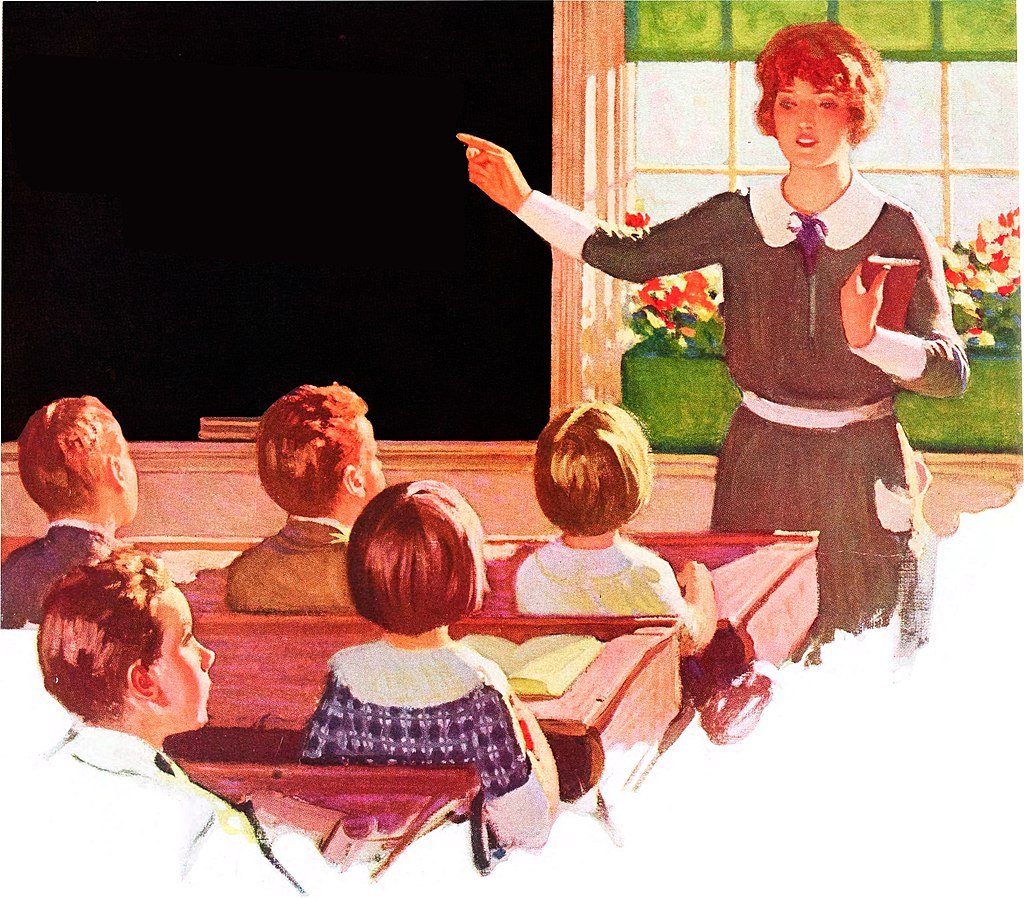
Image by u_osk932pj9i from Pixabay
More pupil voice