I’ve been reading back over the history of oracy education in the UK and have picked up a copy of Talk for Learning and Teaching by Joan Tough (Schools Council Publications 1979). Four decades on, it still contains so much relevant and useful material. This paragraph, for example, really made me think:
“If we are to use talk as a means of supporting and extending children’s learning then we must select what we say with the same awareness and deliberateness as we would when we select and use other resources.”
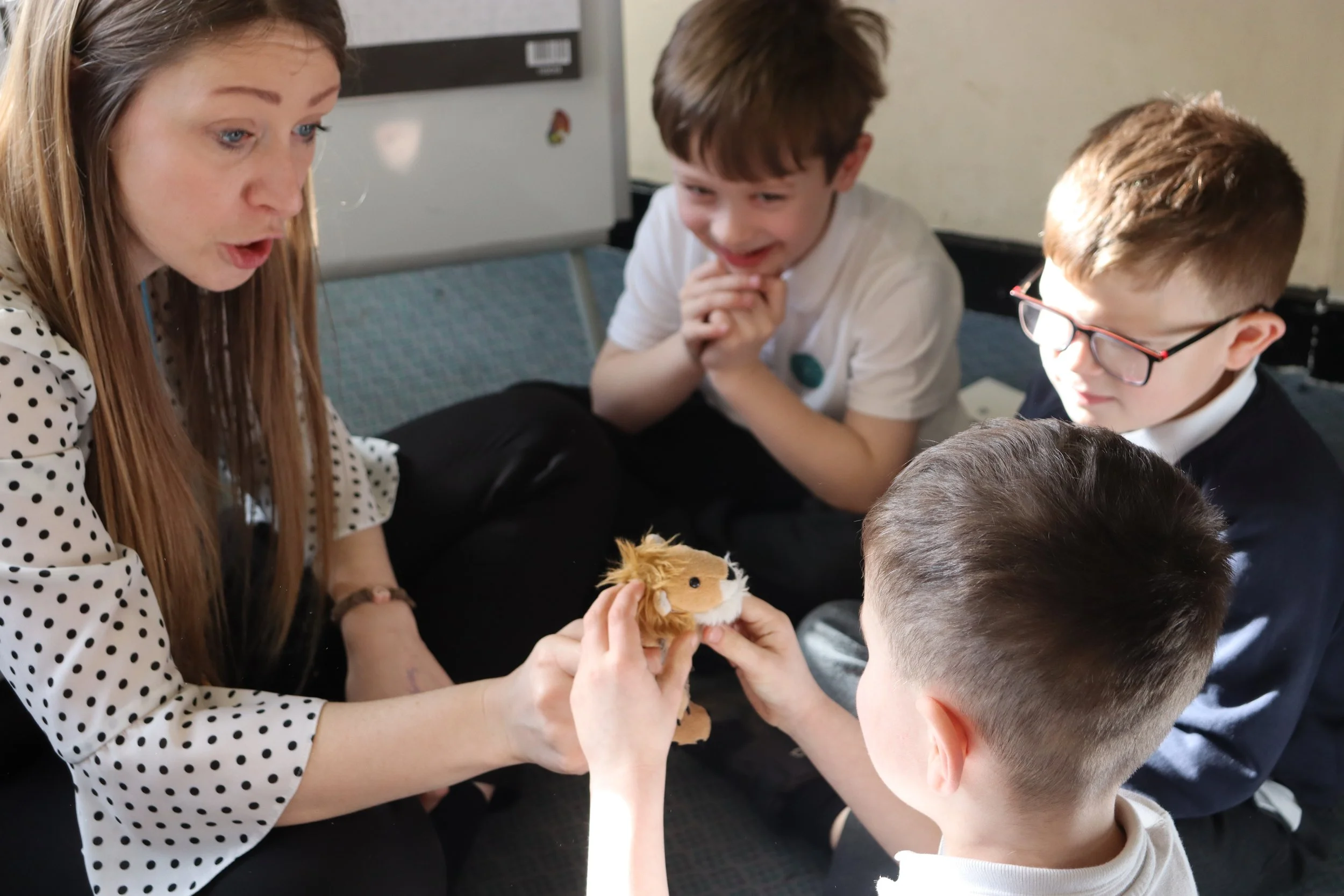
Teachers often want to reduce their talk, but aren’t sure where to start. The above quote is a reminder that a game-changer for effective teacher talk is planning it.
Ready to make planned teacher talk your new habit? To take your talk to the next level, here are six questions you can ask yourself:
What specific phrases and vocabulary do I want to say?
What is my main question?
What proportion of the lesson do I want to be talking?
Can I make any of my points in a more concise way?
Which things do I not need to say?
Can I replace any of my talk with non-verbal signals or written instructions?
I’d love to know how you get on.
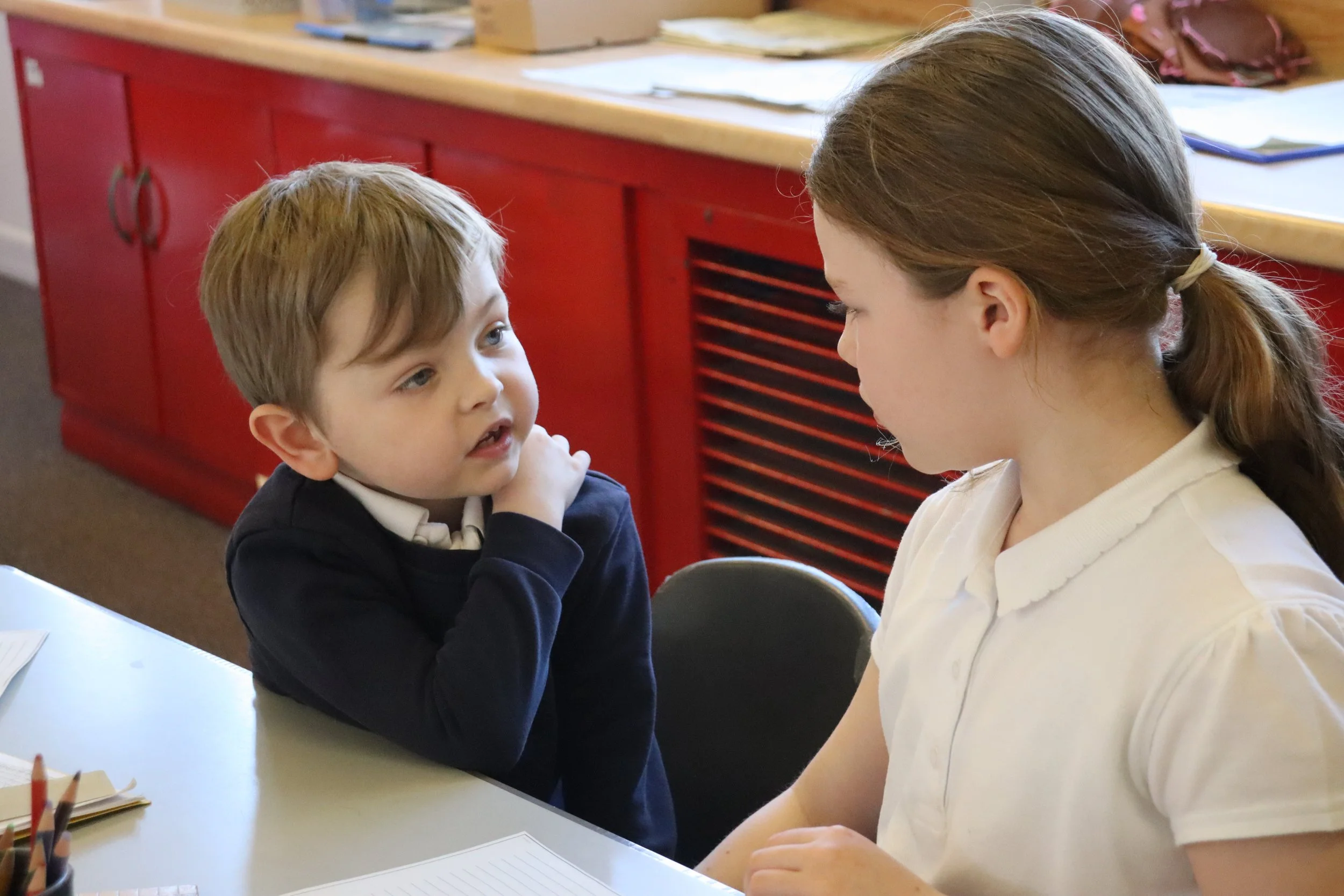
“…we may talk without considering the effect that our talk has on children.”
Seasonal versions of some well-known oracy games
Learn how to embed excellent oracy practice – programme starts Fri 16 Jan
Three oracy roles for working in groups
Published 15 Jan 2026, with Alan Howe
A great way to get students used to talking to different people
A beautiful book about listening
A surprisingly simple way to improve listening and dialogue
A structure which develops speaking and listening, and can be used across the curriculum
How one teacher raises accountability using a quick and simple technique
Collaboration is much more likely when pupils have to do a shared piece of work
Time to raise your oracy game?
Twenty talking points you can use today
Give students opportunities to say and apply new vocabulary
Emphasising listening to each other rather than talking to each other
One of the essential foundations for effective learning talk
International TED talks and a UK speech competition
A powerful message about young children’s learning
Recommended reading for teachers and everyone else too!
Would you rather spend most of your time indoors or outdoors? And more
Learners recall fiction, processes, explanations and more by listening and building on what others have said
Do you ever do any of these things, instead of fully listening to someone?
How one teacher got everyone thinking, talking, listening and learning
Give pupils the skills and resilience to work with a diverse range of people
Should you protect someone’s feelings, or tell them what you really think?
Talk prompts and sentence stems to help learners express different types of thinking
Help students to use the language of Maths
Harness the benefits of collaborative talk
Perspectives from some 11-year-olds