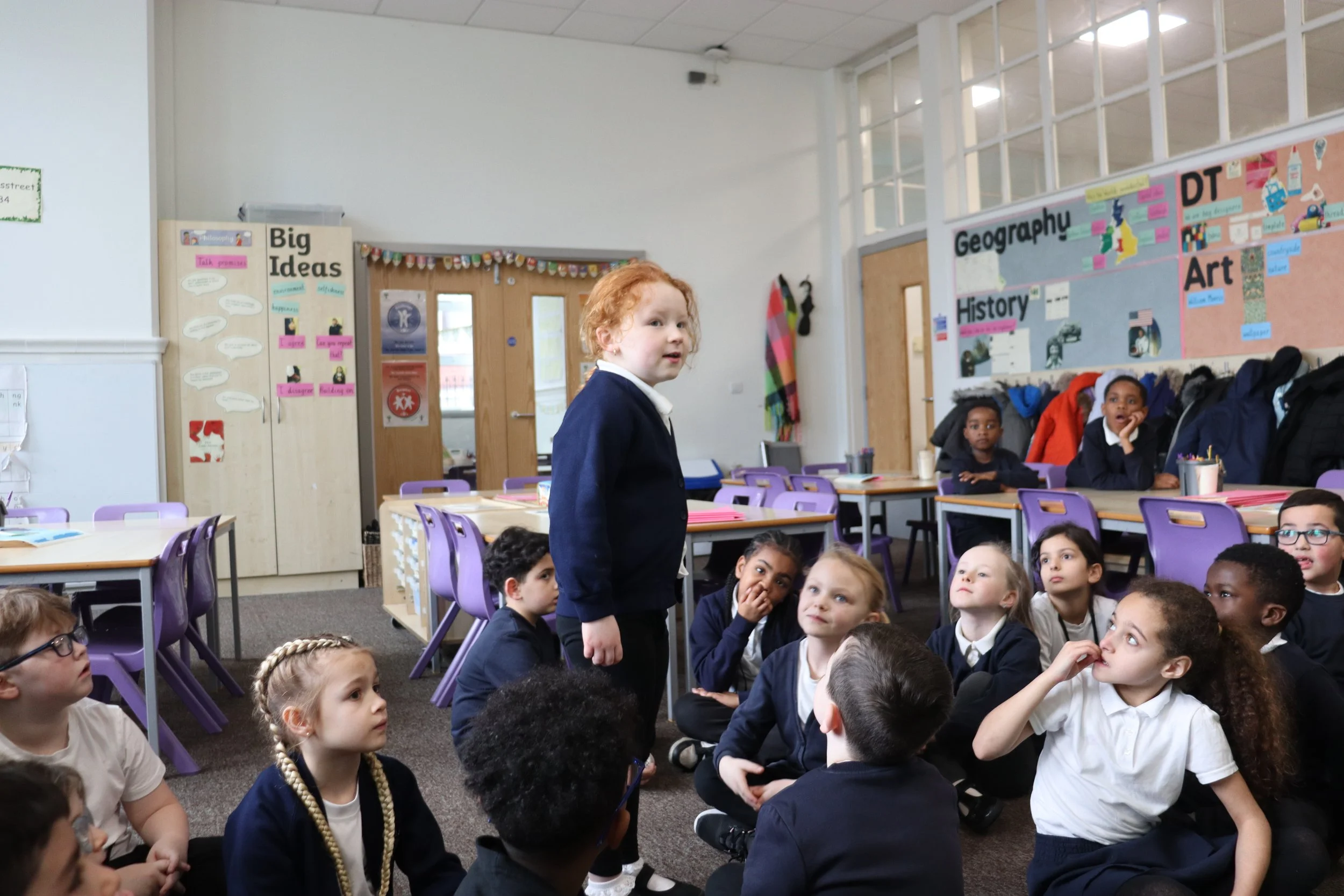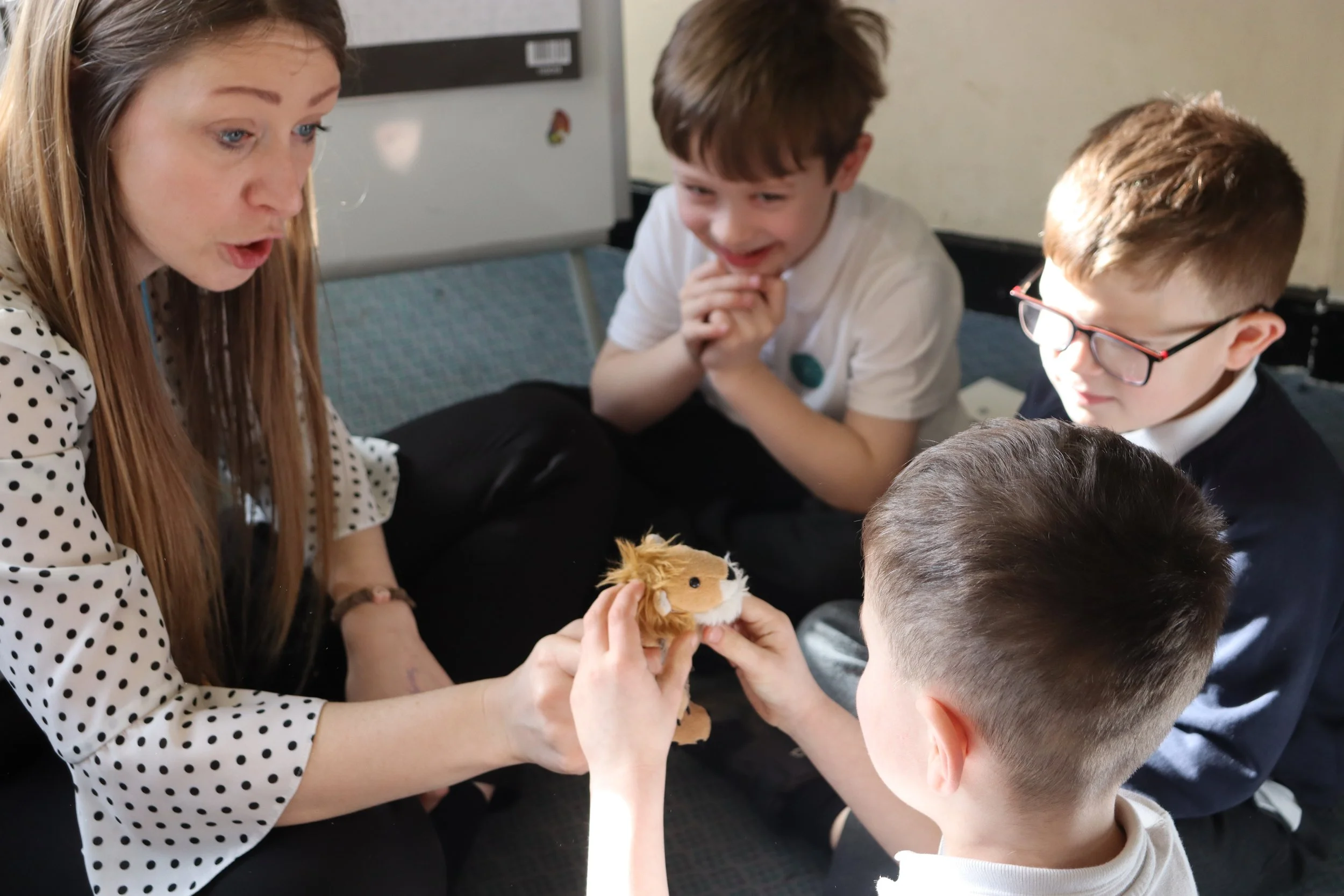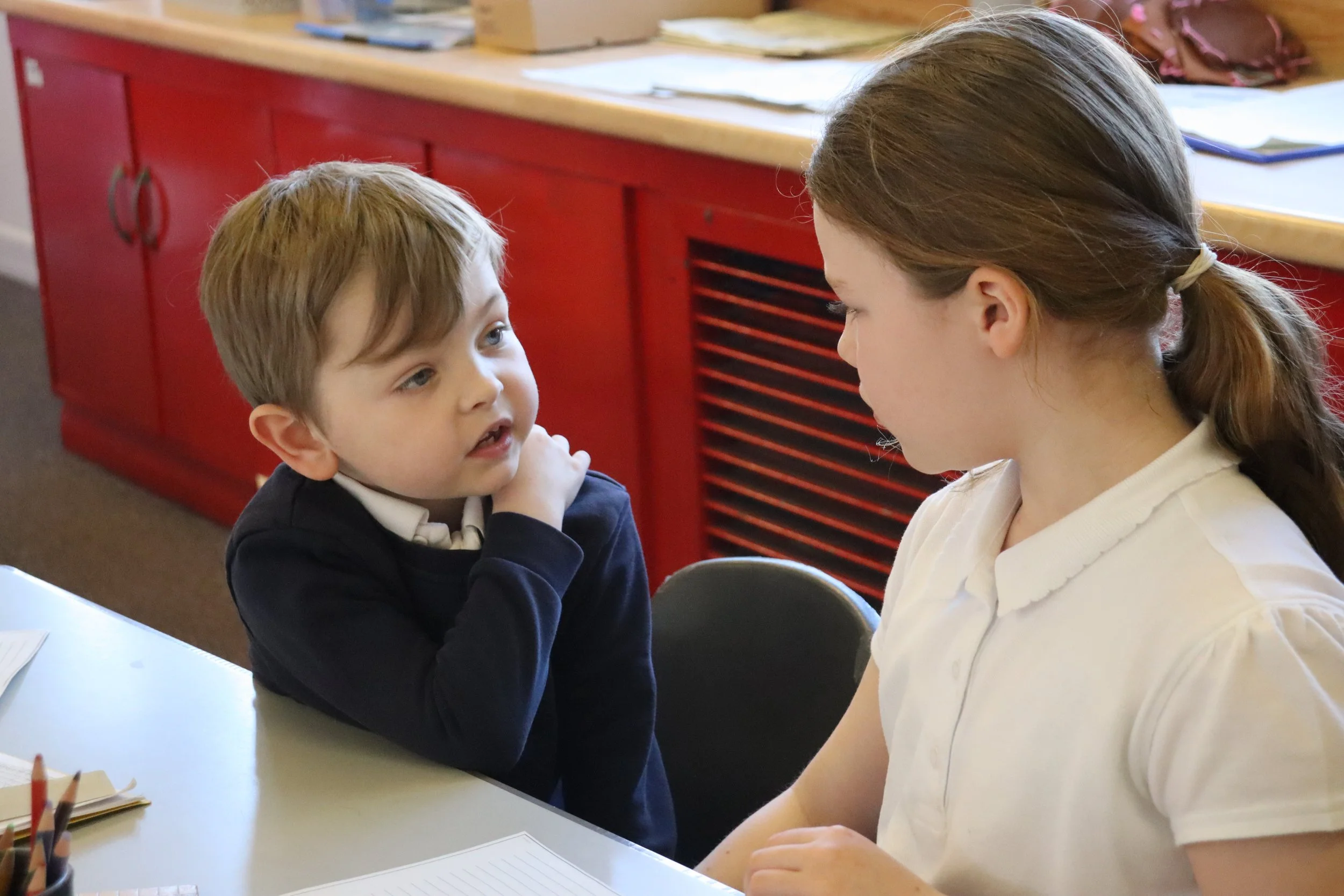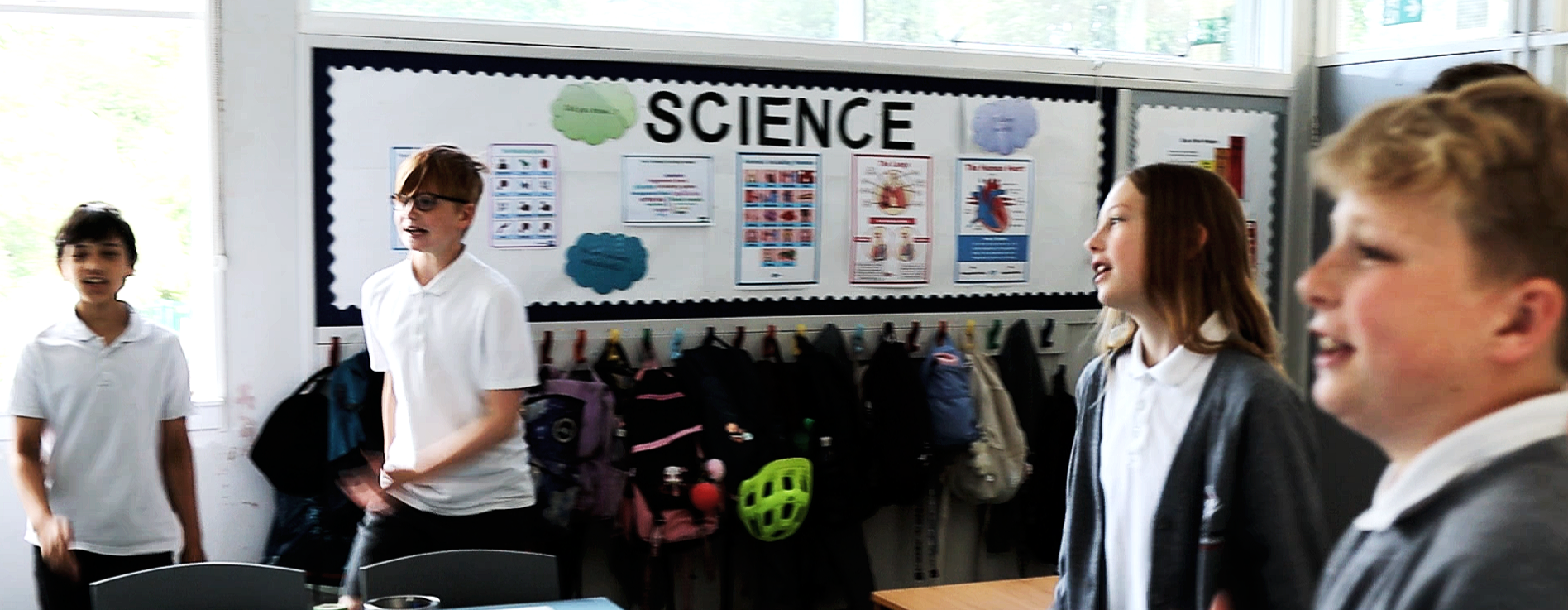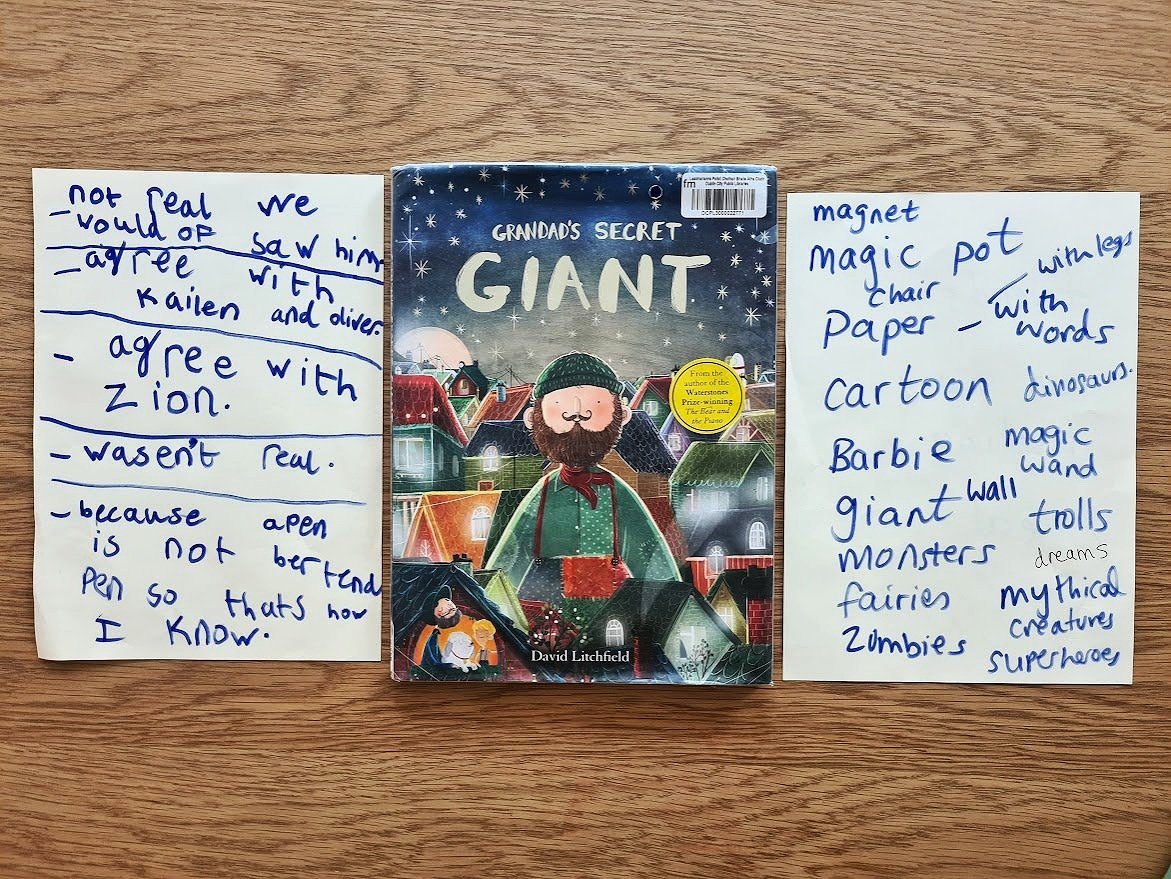
These three quotes from teacher colleagues illustrate how meaningful, purposeful talk can help unlock children’s potential:
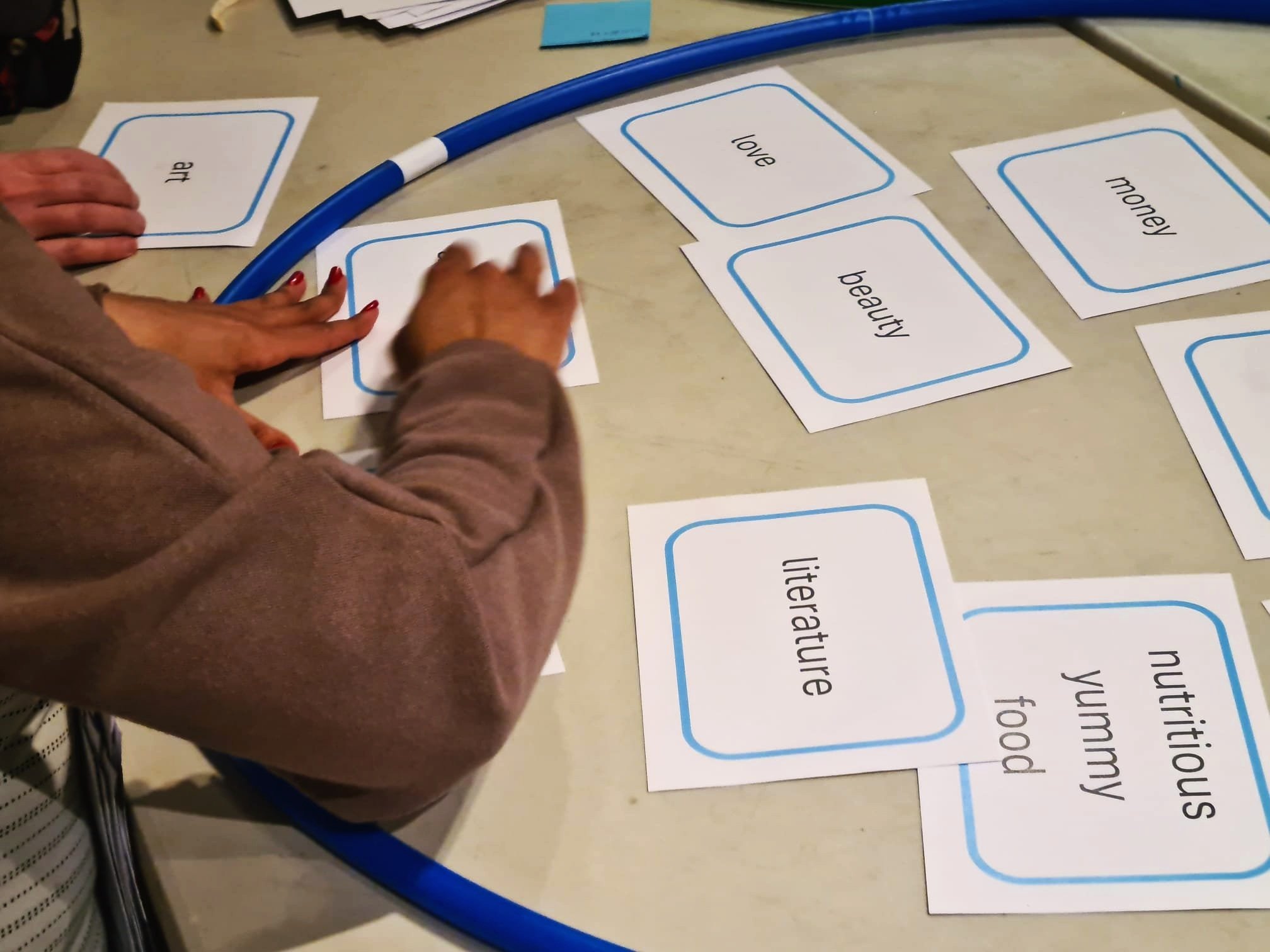
“J is usually a very reluctant writer – but when we tried a dialogue-based approach things were different. We started with a talk game (Odd One Out) where there was no 'correct answer'. Next, the children took part in an animated, in-depth whole-class discussion about the relative importance of different human rights, and subsequently chose one to write about. J was so motivated by the dialogue that he produced an unprecedented two pages of writing!”
– Year 3 teacher

“B had rarely spoken in class, and was unconfident to write without support. However, through Forest School things began to change. Initially he mainly watched and listened, but gradually joined in with activities that required talk to coordinate with his peers: making hot chocolate, carrying logs to make a den... In the afternoons he was like a different child – joining in verbally and even enthusiastically writing some sentences about his morning! Over time he began engaging in class talk on a regular basis.”
– Year 6 teacher
“In History we tried 'Join the Roman army - good idea/bad idea?' and some other talk games. Children used talk prompts to justify their reasons and respectfully challenge others. What amazed me was the level of engagement from some of our lower-attaining boys. Not only did they make thoughtful contributions to the class discussion, but they also felt confident to challenge to some of the higher-attaining girls (the ones who usually do most of the talking). The oracy activity was a great equaliser.”
– Year 3 teacher