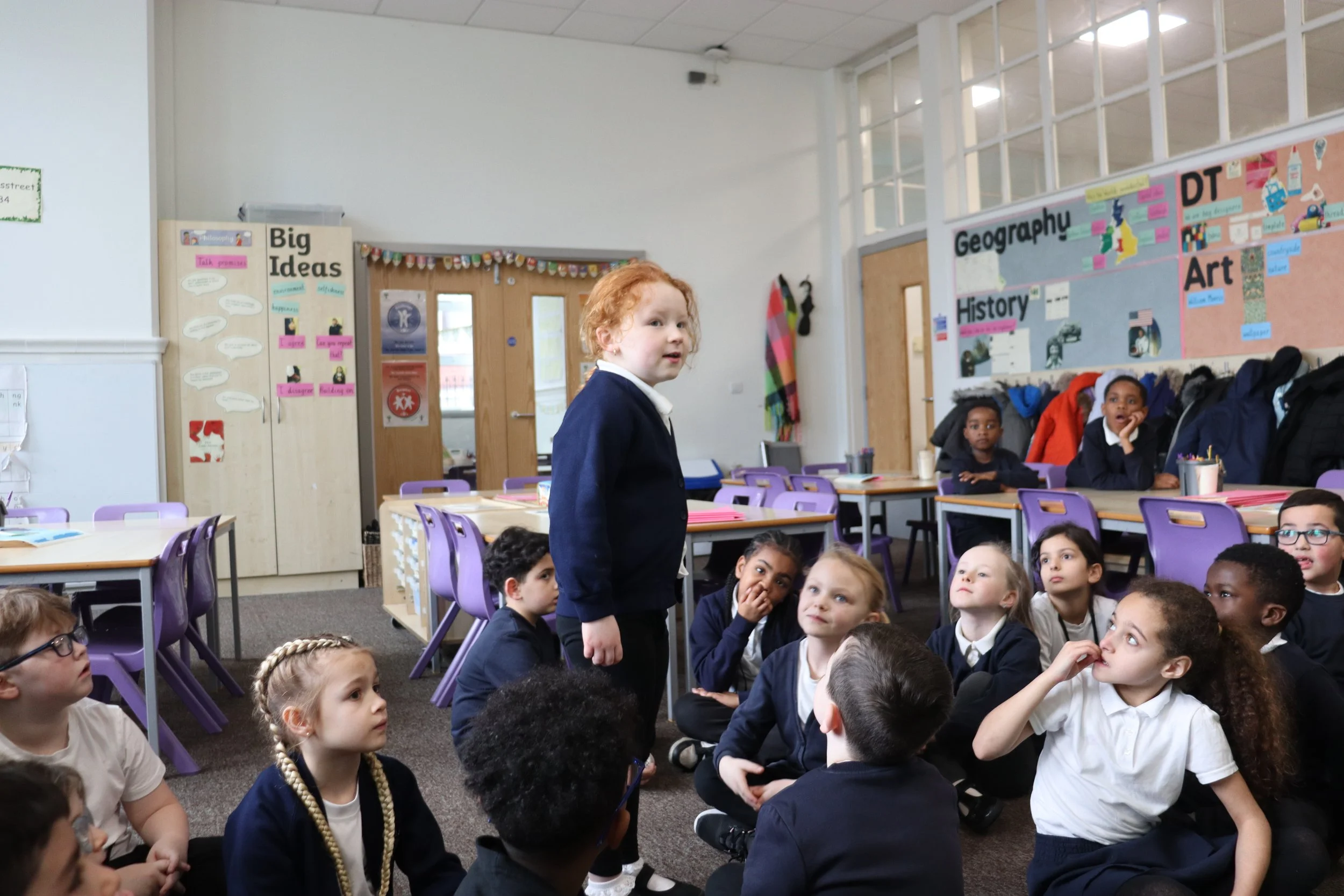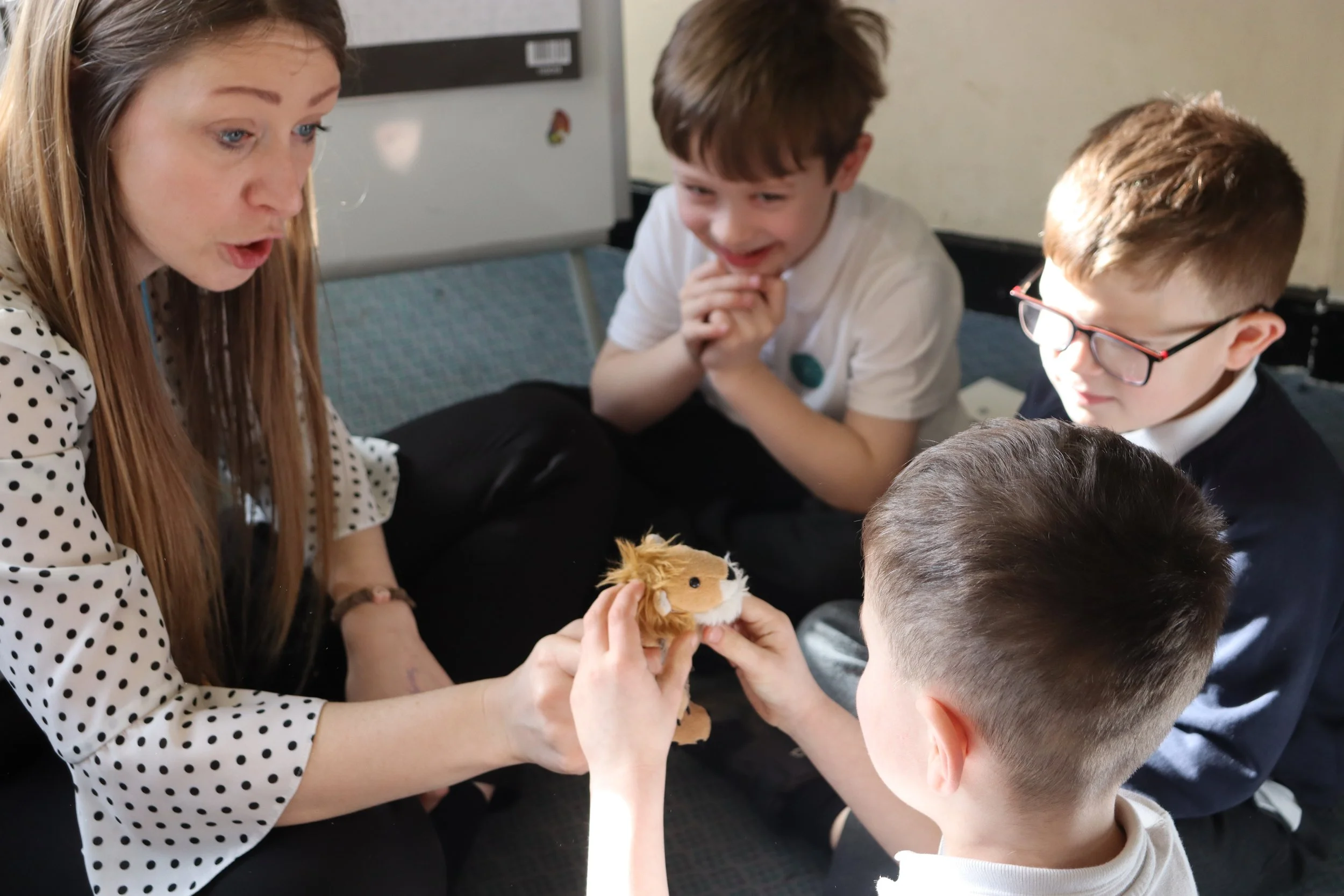
Using classroom talk effectively in geography will develop pupils’ geographical skills and deepen their understanding of key geographical concepts, such as environment, landscape, resources, interdependence, trade, migration, sustainability, local/regional/national/global, location, place, countries, maps, home, urbanisation and more.
Here are three ways you can plan purposeful oracy for geography lessons:
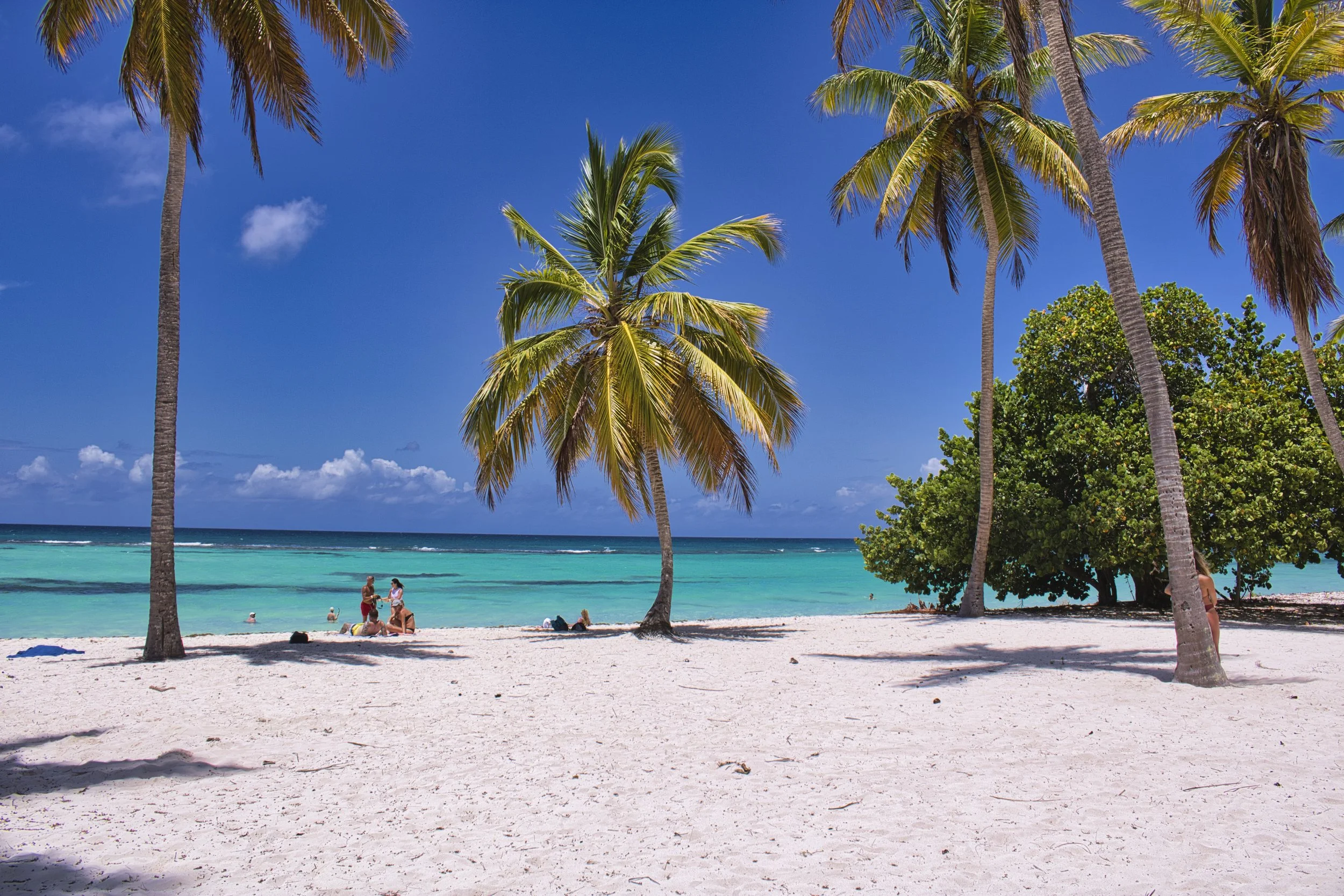
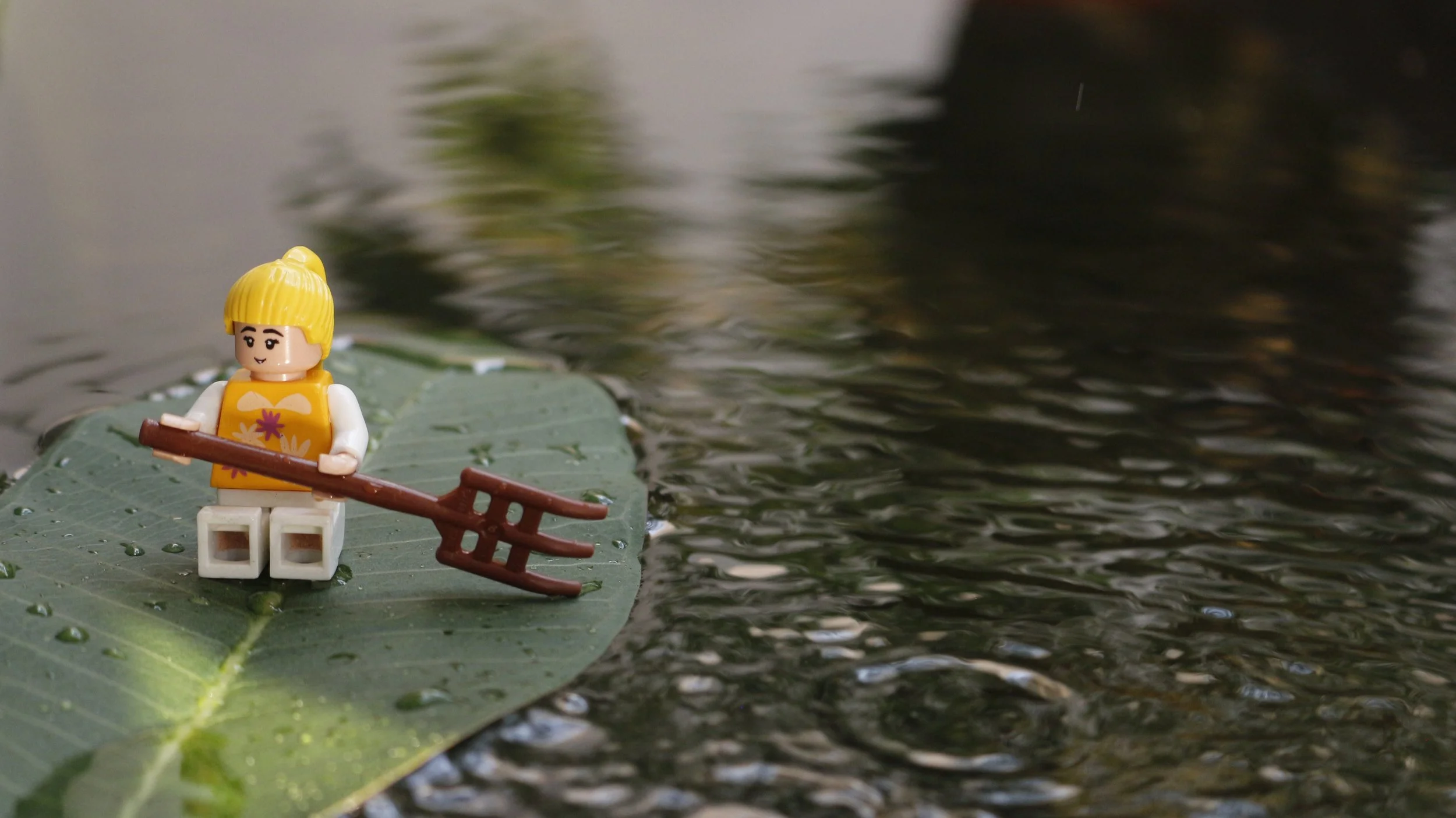
Play the Picture Frame Game to think about different places. For example, Imagine you’re at the Suez Canal – what do you see?
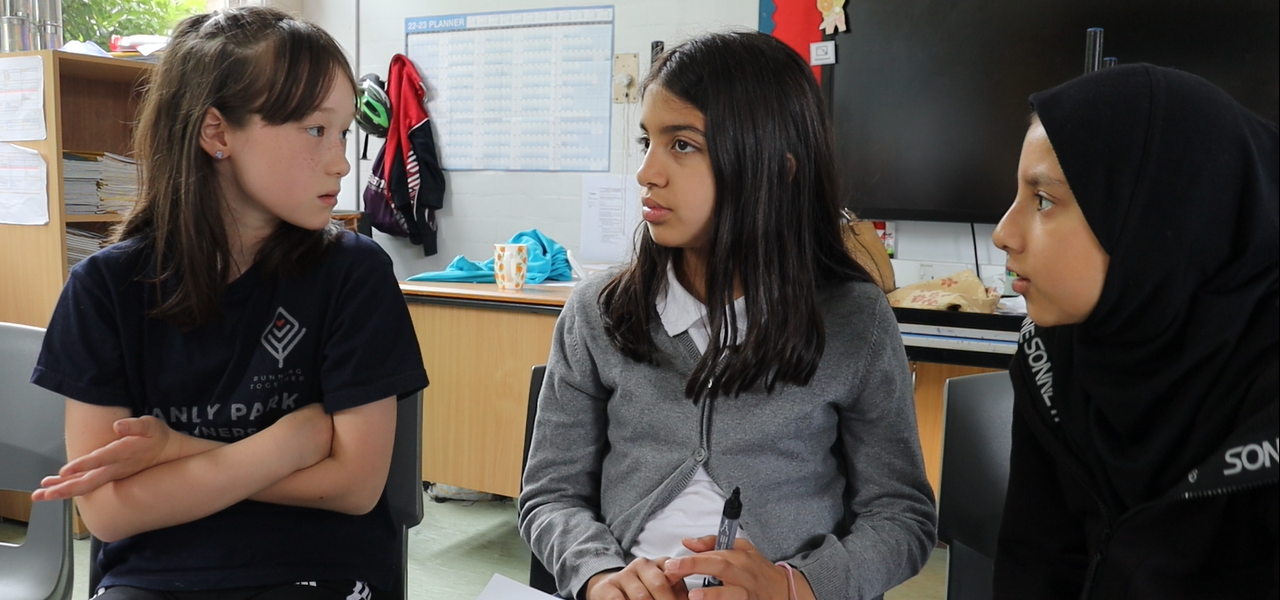
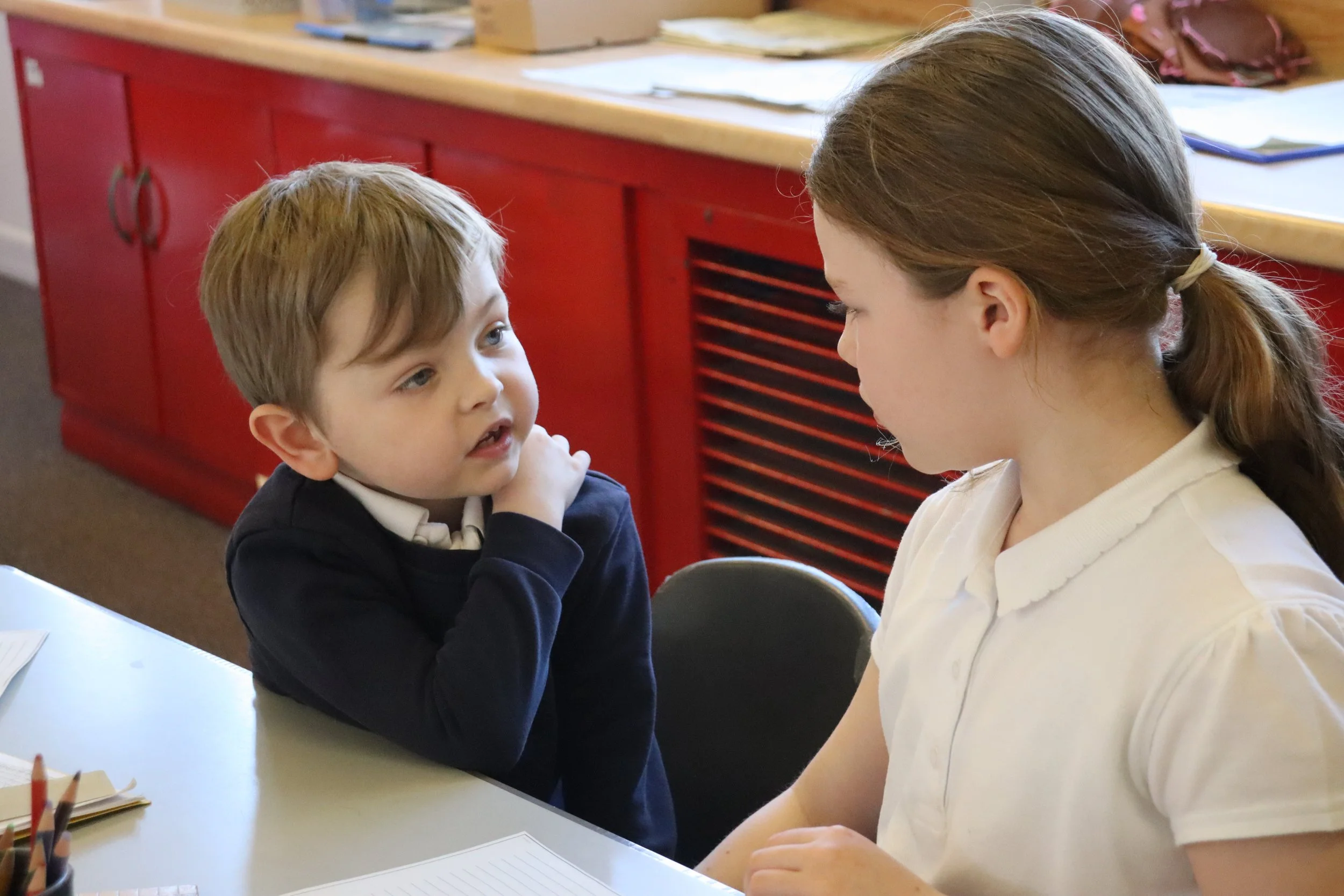
Cut-ups – work collaboratively in pairs to sort cut-up statements or paragraphs into examples of rural and urban, giving reasons.
Use thinking questions to apply recent vocabulary, for example Would you rather live at high altitude or low altitude? Would you rather travel through the Sahara desert or the Arctic tundra? Urbanisation – good idea / bad idea?